




Singapore Fallen Trees Law: Liability & Cases Explained
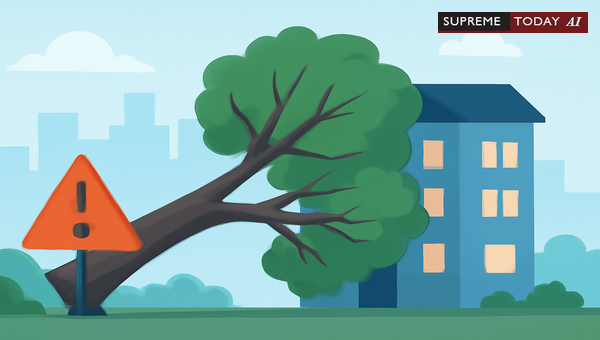
Imagine waking up to find a massive tree branch from your neighbor's yard crashed through your roof after a storm. Who pays for the damage? In Singapore, questions like In Singapore, what is the law for fallen down trees and cases? are common, especially during monsoon seasons. Homeowners, property managers, and local councils often grapple with liability for hazardous trees. This post breaks down the legal landscape, drawing from available insights and regional comparisons, while emphasizing the need for professional advice.
While Singapore-specific statutes and cases on fallen trees are not detailed in the reviewed legal documents, we can explore general principles, neighboring jurisdictions like Malaysia, and related discussions from other sources. This is general information only and not legal advice—always consult a Singapore-qualified lawyer for your situation.
No Direct Singapore Statutes in Reviewed Documents
A thorough review of provided legal materials reveals no information whatsoever on the law in Singapore regarding fallen trees or related cases. All documents focus on Malaysian law, with zero references to Singapore jurisdiction, statutes, or precedents. For instance:
- Key Malaysian cases like Ahmad Jaafar Abdul Latiff v. Dato' Bandar Kuala Lumpur2015 1 MLRA 87 discuss duties under the .
- No Singapore courts, bylaws, or acts like the are mentioned.
This gap highlights the importance of consulting primary Singapore sources, such as the guidelines or case law from the .
Lessons from Malaysian Law: Duties for Hazardous Trees
Although not binding in Singapore, Malaysian precedents offer useful context on tree liability, especially for cross-border property owners. Under , local authorities owe a for trees on private land if they pose risks to public roads.
Section 101 of the Act clearly imposes a on the defendant, with the duty extending to the defendant to enter into private land to remove or lower or trim any tree, shrub or hedge before they cause any harm in light of the private land owner's neglect or failure to remove or trim the trees.
Key takeaways from Malaysian cases:- Local Authority Responsibilities: Councils must act if branches overhang public areas, even entering private property if owners neglect maintenance.
- Tree Origin Matters: No obligation if trees weren't planted by the authority. Evidence of respondent's witness DW2 supports the testimony of PW3 that the respondent is not under any obligation to maintain the trees on lot 51. DW2 testified that the trees were not planted by the respondent.
In Singapore, similar principles may apply under or NParks' Tree Pruning Guidelines, where owners are typically responsible for trees on their property.
Insights from Indian and Other Regional Cases
Other sources provide broader perspectives on tree-related disputes, often involving ownership, negligence, and environmental duties. While from India, these illustrate common issues:
Ownership and Wind-Fallen Trees: Ownership of the land and trees continued to be with the Government. Even when the trees are wind-fallen, the grantee has no rights over the fallen trees. 2021 0 Supreme(Mad) 2751 This underscores that government or public land trees remain under authority control post-fall.
Encroachment and Water Bodies: Courts have ruled against claims over poramboke (public) lands with trees, rejecting . Encroachments on tanks or kulams must be removed, regardless of tree payments. 2021 0 Supreme(Mad) 2751
Neighbor Disputes: In cases like falling flower pots (analogous to branches), doesn't apply without overt acts. Petitioner cannot be prosecuted on principle of ... Penal provisions of cannot make liable a person vicariously. 2022 0 Supreme(Pat) 701
Environmental Projects and Tree Felling: For infrastructure like metro projects, tree authorities must ensure transparent decisions. The court found that the deliberations of the Tree Authority were fair, transparent, and based on reason. 2019 0 Supreme(Bom) 1457
These cases emphasize , expert assessments, and no automatic liability without negligence—principles likely echoed in Singapore courts.
Potential Singapore Framework: What We Know Generally
Singapore lacks a dedicated Fallen Trees Act, but liability typically falls under:
- Tort of Negligence: Property owners must maintain trees to prevent foreseeable harm (e.g., via regular inspections during storms).
- NParks and : They handle public trees; private ones are owner responsibilities. Report hazards via OneService app.
- Strata Properties (Condos/HDB): Management corporations may share duties under the .
- Insurance: Home policies often cover third-party damage from your trees.
Unrelated documents mention Singapore insolvency (e.g., Take Solutions Singapore Pte Limited under ), but nothing on trees. 2021 0 Supreme(Mad) 2410
Practical Steps for Singapore Property Owners
To minimize risks:- Inspect Regularly: Check for deadwood, especially leaning trees.- Prune Proactively: Hire arborists certified by NParks.- Communicate with Neighbors: Discuss shared boundary trees.- Document Everything: Photos, complaints, and maintenance records prove .- Seek Permits: Tree works over 3m height need NParks approval.
If damage occurs:- File police report for insurance.- Lodge claims in ( for under S$30,000).
Key Takeaways and Recommendations
- No Singapore-Specific Cases Here: Reviewed docs are Malaysian/Indian-focused; extrapolate cautiously.
- is Key: Owners and authorities may be liable for neglect, akin to Malaysia's Section 101.
- Consult Experts: Check Singapore statutes (e.g., ), NParks, or lawyers. Cases like might offer indirect guidance.
Storms are inevitable, but preparedness isn't. Stay informed, maintain your greenery, and protect your property. For tailored advice, contact a Singapore lawyer today.
Disclaimer: This post is for informational purposes only and does not constitute legal advice. Laws change, and outcomes depend on facts. Verify with professionals.
#SingaporeLaw, #FallenTrees, #TreeLiability















