


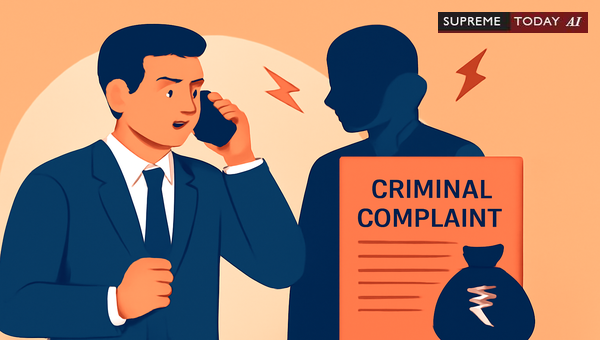
Finance Company Phone Harassment: Is a Criminal Complaint Maintainable?
Receiving relentless phone calls from a finance company demanding loan repayment can feel overwhelming and harassing. But does this cross into criminal territory? Many borrowers wonder: Finance Company Harassing the Borrower by Way of Phone Calls – can the criminal complaint be maintainable?
In this post, we dive into Indian legal precedents to clarify when such complaints hold water and when courts are likely to quash them. Drawing from and rulings, we'll explore the fine line between aggressive recovery tactics and criminal offenses like intimidation under the (). This is general information based on case law – always consult a lawyer for your specific situation.
Understanding Phone Harassment in Loan Recovery
Loan recovery is a common friction point between borrowers and finance companies. Frequent calls urging payment are standard practice, but borrowers sometimes file criminal complaints alleging harassment. However, courts have consistently ruled that mere phone calls, even if frequent or bothersome, do not automatically constitute a criminal offence unless they meet specific legal criteria such as causing fear of injury, threat, or harassment amounting to 2011 0 Supreme(SC) 1193.
The emphasizes that criminal proceedings should not be invoked as a short-cut in civil or contractual disputes, especially where allegations do not amount to criminal offences2000 2 Supreme 218. In essence, debt recovery remains primarily a unless elevated by criminal elements like threats or coercion 2009 6 Supreme 302.
Key Legal Tests for Criminality
- No automatic offence from harassment alone: Harassment by phone calls, in itself, does not automatically amount to a criminal offence unless it involves threats, coercion, or intimidation 2011 0 Supreme(SC) 1193.
- Civil vs. Criminal Distinction: Disputes over loans don't translate to crimes without proof of fraud, threats, or intent 2009 6 Supreme 302.
- Frivolous Complaints Quashed: Courts use to dismiss , viewing them as 2000 2 Supreme 218 2000 1 Supreme 322.
Relevant Sections and Thresholds
To sustain a criminal complaint, calls must align with specific provisions:
:
This section applies if calls threaten injury, harm, or coercion to force action (or inaction). Courts clarify: for a complaint to be sustainable under this section, the calls must contain threats of injury, harm, or coercion. Mere repayment demands fall short 2011 0 Supreme(SC) 1193.
Sections 504 and 506 : Intentional Insult and
If calls cause alarm, annoyance, or fear with threats (especially of grievous hurt under 506(2)), they may qualify. But content matters – follow-ups without menace don't suffice.
In one case, allegations of threatening calls for debt repayment were scrutinized, but without evidence of instigation or , they didn't constitute abetment under (suicide) – highlighting that aggressive demands alone aren't criminal 2024 0 Supreme(Guj) 82.
Court Precedents: When Complaints Fail
Judicial scrutiny is rigorous. The in a key ruling held: criminal proceedings should not be initiated merely because a party is annoyed or disturbed by calls, unless such calls involve threats, intimidation, or cause alarm or annoyance amounting to criminal offences under the 2000 2 Supreme 218.
High Courts echo this:- Proceedings quashed where complaints stemmed from nuisance calls without threatening content, deeming them civil disputes 2000 1 Supreme 322.- In a finance company case involving car repossession threats, the prosecution faltered on lack of evidence tying calls to criminal acts 2024 Supreme(Online)(MAD) 10622.- Another instance dismissed vague phone harassment claims in business disputes, noting no public place element for and absence of call details 2019 0 Supreme(Mad) 3213.
These precedents reinforce: false, frivolous, or vexatious criminal complaints are liable to be quashed under 2000 2 Supreme 218 2000 1 Supreme 322.
Exceptions: When a Complaint May Stand
Not all cases are dismissed outright. Complaints can proceed if:- Calls involve threats of violence, injury, or harm, invoking 506, 503 2011 0 Supreme(SC) 1193.- Harassment causes mental agony with proven threats, supported by call records.- Evidence shows coercion beyond civil recovery.
For instance, in fraud-related contexts, persistent harassment might intersect with criminal probes, but even then, principles apply before classifying accounts as fraudulent, ensuring borrowers get a hearing 2023 3 Supreme 200 2020 0 Supreme(Telangana) 751. guidelines stress accountability for fraudsters but distinguish from routine recovery 2021 0 Supreme(Guj) 1005.
Broader Context: Regulations and Borrower Protections
Finance companies operate under guidelines, which permit recovery calls but prohibit harassment. The bans coercive tactics. If calls violate these, borrowers can approach the Ombudsman – a civil remedy.
Courts have ruled that private finance companies aren't always amenable to writs unless breaching statutory duties 2023 0 Supreme(P&H) 3055. Meanwhile, in fraud classifications, principles of demand a hearing before severe civil consequences like credit freezes2023 3 Supreme 200. This underscores fairness in lender-borrower dynamics.
Practical Recommendations for Borrowers
Facing aggressive calls? Here's a step-by-step approach:1. Document Everything: Record calls, note numbers, dates, and content. Preserve logs.2. Assess Content: Pure repayment reminders? Likely civil. Threats? Potential crime.3. Seek Alternatives First: Negotiate settlement, approach , or file civil suit.4. File Complaint Wisely: If threats exist, support with evidence under relevant sections.5. Consider Quashing if on Receiving End: Finance companies can petition under 482 for frivolous FIRs.6. Get Legal Advice: Analyze if calls meet criminal thresholds.
If purely recovery-focused, a criminal complaint may not be maintainable, risking costs or counter-action.
Conclusion: Know Your Rights, Avoid Missteps
In summary, while borrower distress from phone harassment is valid, Indian courts protect finance companies from criminal misuse in debt recovery. Unless calls escalate to or threats2011 0 Supreme(SC) 1193, complaints are typically quashed as civil matters 2009 6 Supreme 302 2000 2 Supreme 218.
Key Takeaways:- Mere frequency/annoyance ≠ crime.- Prove threats with evidence.- Prioritize civil remedies.
This analysis draws from established precedents – outcomes vary by facts. This is not legal advice; consult a qualified attorney for personalized guidance.
References: Key cases include 2011 0 Supreme(SC) 1193 (nuisance vs. intimidation), 2009 6 Supreme 302 (civil disputes), 2000 2 Supreme 218 (quashing frivolous complaints), 2000 1 Supreme 322 (), and others like 2024 0 Supreme(Guj) 82 ( in harassment).
#FinanceHarassment #BorrowerRights #LoanRecoveryLaw












