


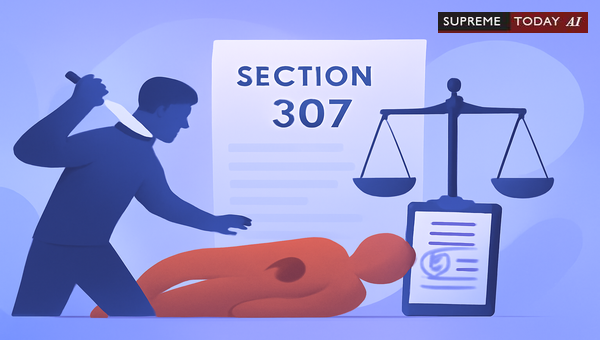
Criteria for Framing Charges Under
In the realm of criminal law in India, stands as a critical provision addressing attempts to murder. But what exactly constitutes the grounds for framing charges under this serious section? Understanding the criteria for framing charges under is essential for legal professionals, accused individuals, and even the general public navigating high-stakes cases. This blog post breaks down the key elements, judicial precedents, and practical considerations, drawing from established legal principles and case law.
Whether you're a lawyer preparing a defense, a victim seeking justice, or someone researching criminal procedure, this guide provides clarity on when courts invoke —typically carrying a punishment of up to 10 years imprisonment or life if hurt is caused—and when lesser charges may apply.
Overview of
defines the offense of : Whoever does any act with such intention or knowledge... that if it caused death, he would be guilty of murder, shall be punished... The focus is not on the outcome (death or injury) but on the —the guilty mind—behind the act. Importantly, death need not result; the potential for it suffices. This provision underscores the gravity of actions that could have led to homicide under . 2000 0 Supreme(SC) 1854
Courts emphasize that framing charges at this stage requires a case, without a full trial on merits. As noted in judicial reviews, the trial court's role is limited to sifting evidence to see if there's sufficient material to proceed. 2025 0 Supreme(Raj) 2134
Key Criteria for Framing Charges Under
To frame charges under Section 307, prosecutors must establish specific thresholds. Here's a detailed breakdown:
1. Intention or Knowledge of the Accused
The cornerstone is proving the accused's intention or knowledge that the act could cause death. This doesn't require actual death or severe injury; intent alone can suffice. For instance, courts have ruled that it is not necessary for the prosecution to prove that the act resulted in serious injury or death; rather, the focus is on the intent behind the act. 2000 0 Supreme(SC) 1854 2019 1 Supreme 4
In one case, the mere presence of injuries did not negate intent; evidence of planning and the nature of injuries confirmed the charge of , illustrating the required intent. 2025 0 Supreme(Raj) 2134 The challenging charges was dismissed, upholding the trial court's decision as intent was evident from the assault with sharp weapons amid enmity.
2. Nature of the Act
The act must be capable of causing death if unchecked, mirroring a murder under Section 302. Using lethal weapons, repeated blows to vital areas, or premeditated attacks strengthen this. The prosecution must show that the accused did something that, under the circumstances, could have led to death. 2008 0 Supreme(SC) 1725 2004 2 Supreme 460
3. Evidence of Injury
Injuries provide circumstantial evidence of intent, though not decisive. Even minor injuries can support Section 307 if intent is clear. Conversely, simple injuries may lead to downgrading. In a notable revision, charges under were improperly framed as the injuries were not grievous; the court directed charges under instead. 2025 0 Supreme(Raj) 231 The court quashed Section 307, stressing that the trial court must consider injury reports properly, without meticulous evidence probing at framing stage.
Courts have held that even minor injuries can lead to a charge under Section 307 if the intent to kill is established. 2008 0 Supreme(SC) 1725 2023 0 Supreme(Gau) 800
4. Circumstances of the Incident
Context is pivotal: sudden quarrels without premeditation may not qualify, favoring . Factors such as premeditation, the use of lethal weapons, and the manner of attack can influence the framing of charges. 2011 3 Supreme 209 2013 8 Supreme 431
In another instance, charges under were set aside for fresh consideration as the trial court failed to properly evaluate evidence, including explosive substances. 2003 0 Supreme(Raj) 1320
5. Judicial Precedents and Discretion
Courts apply facts case-by-case. Courts have emphasized that the framing of charges under Section 307 must be based on the specific facts of each case. For example, if the evidence suggests that the accused aimed to cause serious harm but not necessarily death, a lesser charge may be appropriate. 2011 3 Supreme 209 2000 0 Supreme(SC) 1854
Precedents show flexibility: In 2017 0 Supreme(All) 495, insufficient material led to quashing Section 307, as charges relied on associates' actions later disproved. Similarly, FIRs omitting Section 307 despite serious injuries prompted directives for reinvestigation. 2022 Supreme(Online)(MAD) 34361
Exceptions and Limitations
- : Section 307 cannot be settled privately; it's a crime against society. 2013 8 Supreme 431
- Judicial Alteration: Courts may switch to Sections 308 (), 326 ( by weapon), or (hurt by dangerous means) if evidence doesn't support 307. 2000 0 Supreme(SC) 1854 2011 3 Supreme 209
- Charge Framing Stage: Limited to review; no deep evidence analysis. The power of the Court at the stage of framing charges is limited to assessing whether a case exists, without delving into the detailed merits of the evidence. 2025 0 Supreme(Raj) 2134
Other cases highlight procedural lapses, like framing composite charges without distinct sections, leading to revisions. 2019 0 Supreme(Kar) 3
Practical Recommendations for Legal Practitioners
When dealing with potential Section 307 cases:- Thorough Evidence Review: Scrutinize witness statements, medical reports, and FIRs for intent indicators. 2000 0 Supreme(SC) 1854- Contextual Analysis: Weigh mitigating factors like sudden fights. 2011 3 Supreme 209- Leverage Precedents: Cite cases like those quashing improper 307 charges for simple injuries. 2025 0 Supreme(Raj) 231- Seek Revisions if Needed: Under , challenge erroneous framing. 2025 0 Supreme(Raj) 231
Conclusion and Key Takeaways
Framing charges under primarily rests on proven intention or knowledge to kill, bolstered by the act's nature, injuries, and circumstances. While serious, it's not automatic—courts exercise discretion, often altering to fitting sections based on evidence.
Key Takeaways:- Intent trumps injury severity.- case suffices at framing.- Context and precedents guide outcomes.
This post offers general insights into Indian criminal law and is not legal advice. Consult a qualified attorney for case-specific guidance.
References: 2000 0 Supreme(SC) 1854 2011 3 Supreme 209 2013 8 Supreme 431 2019 1 Supreme 4 2008 0 Supreme(SC) 1725 2023 0 Supreme(Gau) 800 2025 0 Supreme(Raj) 231 2025 0 Supreme(Raj) 2134 2003 0 Supreme(Raj) 1320 2017 0 Supreme(All) 495 2022 Supreme(Online)(MAD) 34361 2019 0 Supreme(Kar) 3
#Section307IPC, #AttemptToMurder, #IPCCharges












