


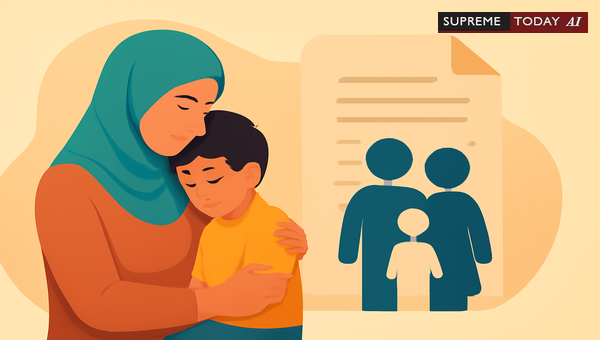
Mothers Winning Custody of Male Children: Key Indian Court Decisions
In the emotionally charged arena of child custody disputes, parents often turn to courts for resolution. A common question arises: Give Decisions in Favor of Mother Relating to the Custody of a Male Child. Under Indian law, courts consistently prioritize the child's welfare, frequently awarding custody to the mother, particularly for male children below seven years. This blog delves into judicial precedents, , and key principles shaping these outcomes.
While like Muslim law provide guidelines, the overriding factor remains the child's best interests—encompassing emotional bonds, health, education, and stability. Let's break down the legal landscape.
The Paramount Principle: Child's Welfare Above All
Indian courts, guided by the , place the child's welfare as the paramount consideration in custody matters. This principle transcends rigid personal law rules, allowing judicial discretion to ensure the child's holistic well-being. 2015 0 Supreme(Ker) 818 2014 0 Supreme(Ker) 626
For instance, courts emphasize that the welfare of the child is paramount and that must give way to the provisions of the Guardian and Wards Act. 2015 0 Supreme(Ker) 818 Similarly, judgments affirm: it will be decidedly to the welfare of the minor to make over its custody to the petitioner who is the natural and the legal guardian of the child. 2014 0 Supreme(Ker) 626
This approach aligns with broader precedents, where the child's ordinary comfort, health, education, and favorable surroundings are weighed, adding a human touch to decisions. Even in Hindu law contexts under the , welfare trumps parental legal rights, as seen in cases denying custody to unfit fathers despite their claims. 2022 0 Supreme(Chh) 584
Custody Rights Under Muslim Personal Law:
Under Muslim personal law, specifically , the mother holds the right to (custody) of a male child until he reaches seven years. This is a recognized statutory and customary entitlement, rooted in the child's need for maternal care during early years. 2004 0 Supreme(Ker) 516
Supporting texts note: Under the Muslim law the custody of a male child remains, at least up to his seventh year, with the maternal relations.
HASSEN A.R.A. v. MARIKKAR C.L.M.
Hanafi sect rulings further specify that for male children, the mother's custody persists until the child can perform basic functions independently, and even then, a boy's preference to stay with her may be honored.Courts uphold this unless overridden by welfare concerns, reinforcing maternal custody for young boys as generally in their best interest. 2015 0 Supreme(Ker) 818 2014 0 Supreme(Ker) 626
Landmark Judicial Precedents Favoring Mothers
Several cases illustrate courts' inclination toward mothers for male child custody:
- 2015 0 Supreme(Ker) 818 upheld the mother's interim custody of a minor boy under seven, stating the child's best interest is primary, with yielding to the Guardians and Wards Act.
- 2014 0 Supreme(Ker) 626 declared the mother as the natural and legal guardian entitled to her minor son's custody, especially below seven, absent compelling contrary reasons. Supreme Court references here bolster that welfare governs all orders.
- In another instance, despite a father's claims, custody remained with the mother post-, overriding ex-parte foreign orders. 2024 0 Supreme(Chh) 358
Additional rulings echo this: A divorced mother's custody of children was maintained due to her capacity to provide welfare, dismissing the father's financial hardship pleas. 2013 0 Supreme(All) 1326 2013 0 Supreme(All) 2132 2017 0 Supreme(All) 513 Even in mixed-faith cases, maternal custody prevailed for young males.
Under Mohammedan Law and , courts dismissed fathers' appeals, granting mothers custody as it served the minors' welfare best, considering finances and circumstances. 2013 0 Supreme(All) 2132
Exceptions: When Custody May Shift
While maternal preference is strong, it's not absolute. Courts may deny custody if:- The mother is unfit, e.g., due to immoral conduct. 2021 0 Supreme(Ker) 891- She remarries or other factors harm the child.- The child, of sufficient maturity, prefers the father. 2025 0 Supreme(Ker) 1269
For example, allegations of a mother's unfitness (like kidney disease) were scrutinized but rejected when unfounded, prioritizing welfare. In acrimonious cases, sole custody to the mother ensured stability. Fathers often receive visitation rights, such as weekends, to maintain bonds. 2015 0 Supreme(Mad) 3496
Post-divorce, sons cease maintenance entitlement at puberty under personal law, but custody focuses on pre-majority welfare. 2010 0 Supreme(Ker) 946
Broader Context from Diverse Laws
Hindu cases mirror this: A father was denied custody of his son due to lack of affection, past neglect, and maintenance disputes—welfare paramount over legal rights. 2022 0 Supreme(Chh) 584 In Muslim disputes, mothers retained custody despite talaq and remarriage, as their nurturing suited the children's needs. 2013 0 Supreme(All) 2132
International echoes appear in Malaysian rulings under similar welfare principles, awarding mothers custody for stability.
Key Takeaways for Custody Seekers
- Prioritize Welfare Evidence: Demonstrate emotional bonds, stable environment, and fitness.
- Age Matters: Strong maternal presumption for boys under seven.
- as Guides: under Muslim law supports mothers, but courts adapt for welfare.
- Visitation Common: Courts balance both parents' roles.
Mothers should foster nurturing settings; fathers, prove superior welfare provision.
Conclusion
Indian courts generally favor mothers in male child custody, especially under seven, balancing like with the child's welfare. Precedents like 2015 0 Supreme(Ker) 818 and 2014 0 Supreme(Ker) 626 underscore this trend, ensuring decisions serve young lives best.
This post provides general insights based on reported cases and is not legal advice. Consult a qualified family lawyer for personalized guidance, as outcomes depend on specific facts.
#ChildCustodyIndia, #MothersRights, #FamilyLaw















