


Indra Sarma v. V.K.V. Sarma: Landmark Ruling on Live-in Relationships and Domestic Violence Protections
In modern India, live-in relationships are increasingly common, raising questions about legal protections for partners, especially women facing violence or abandonment. The 's judgment in provides crucial clarity. This case addresses whether such relationships qualify as a under the (), entitling parties to remedies like and .
If you're wondering about the implications of Indra Sarma v. V.K.V. Sarma reported in (2013) 15 SCC 755, this post breaks down the ruling, its principles, and how courts apply it today. Note: This is general information; consult a legal professional for advice specific to your situation.
Background of the Indra Sarma Case
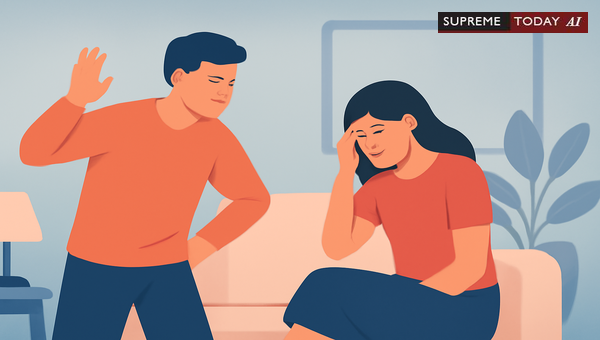
The case involved Indra Sarma, who alleged domestic violence by her live-in partner, V.K.V. Sarma. She sought relief under the , claiming their relationship was akin to marriage. The examined the scope of , which defines a to include those in the nature of marriage.
The Court held that live-in relationships can indeed fall within this definition if certain criteria are met. It emphasized that the provides for women's protection from domestic violence, complementing other laws without derogating them 2021 0 Supreme(Kar) 23. Strict proof of formal marriage isn't required; courts assess facts like , , and conduct 2019 0 Supreme(Jhk) 175
.
Key Legal Principles from the Judgment
The ruling outlines clear tests for recognizing a live-in relationship as one in the nature of marriage:
- and : Parties must live together with shared household responsibilities, holding themselves out as spouses 2022 0 Supreme(Bom) 776 2022 0 Supreme(P&H) 1262.
- Duration and Intent: Long-term relationships with marital-like indicia (e.g., pooling resources, social recognition) qualify, unlike casual liaisons.
- No Need for Formal Marriage: The Court clarified that even a live-in relationship could be akin to marriage for certain legal purposes 2022 0 Supreme(Bom) 776 2022 0 Supreme(P&H) 1262.
- Distinguishing Casual vs. Marital-Like: Casual flings don't qualify; the relationship must have semblance of marriage, involving commitment and exclusivity 2022 0 Supreme(Bom) 776
.
The judgment states: The Court can determine the marital or relationship status of the parties based on the facts and evidence, including the nature of their relationship, , and 2022 0 Supreme(Bom) 776 2022 0 Supreme(P&H) 1262.
This framework has been widely cited. For instance, in protection petitions under (), courts reference Indra Sarma alongside cases like Lata Singh v. State of UP (AIR 2006 SC 2522) and S. Khushboo v. Kanniammal ((2010) 5 SCC 600) to safeguard consenting adult couples
. One such ruling notes: The under of the Constitution of India must be protected, and the police have a duty to protect citizens under
.
Scope of the Domestic Violence Act
The aims to prevent violence within familial settings, extending to live-in partners qualifying under Indra Sarma. Remedies include residence orders, monetary relief, and protection from abuse. The Act is remedial, focusing on quick civil relief for women 2021 0 Supreme(Kar) 23.
However, courts apply it judiciously at interim stages. In one case, was upheld pending trial, as the relationship's validity (via marriage agreement, photos, and ) mirrored Indra Sarma principles. The court observed: Parties are majors, they have voluntarily cohabited for a significant period of time
. It cautioned that full evidence would determine entitlements, with safeguards for refunds if claims fail
.
Important Exceptions and Limitations
Not all live-in setups qualify. The in Indra Sarma distinguished relationships based on facts, and subsequent cases reinforce limits:
Parties Must Be Eligible for Marriage: Both must be unmarried and legally capable of marrying. or relationships don't create a valid under Section 2(f). In a ruling, concurrent findings favoring a woman were overturned because both parties had subsisting marriages: ‘’ – Parties to relationship in nature of marriage must be persons qualified to enter into a legal marriage, including being unmarried
2024 Supreme(Online)(KER) 20431
2024 0 Supreme(Ker) 959. The court relied on Indra Sarma and D. Patchaiammal ((2010) 10 SCC 469), holding: A valid under the requires both parties to be unmarried; otherwise, the relationship cannot be recognized
.
Evidence Matters: Claims require proof of shared household and marital-like ties. Casual or commercial sex doesn't qualify 2022 0 Supreme(Bom) 776.
Other precedents echo this. In property disputes or claims, courts scrutinize if the relationship meets Indra Sarma's threshold before granting relief 2020 0 Supreme(Kar) 128. Proceedings under the Act follow procedures, allowing intervention via if needed
.
Broader Implications for Live-in Partners
Indra Sarma has empowered women in genuine long-term relationships, extending protections without needing marriage certificates. It's cited in police for couples facing threats, upholding personal liberty under 2023 Supreme(Online)(RAJ) 17987
2023 Supreme(Online)(RAJ) 5109. For example: The court relied on... Indra Sarma v. VKV Sarma reported in (2013) 15 SCC 755... to establish that the right to life and personal liberty is protected under
.
Yet, it underscores that rights aren't absolute. Men can challenge false claims, and courts won't presume validity without evidence. Modern society recognizes diverse familial forms, as noted: Modern Indian society through the DV Act recognises in reality, various other forms of familial relations
.
Key Takeaways and Recommendations
- Focus on Facts: Prove , consent, and marital indicia rather than formalities.
- Know the Limits: Unmarried status is essential; casual ties won't suffice.
- Seek Interim Relief Cautiously: Courts grant temporary aid but verify at trial.
- Protections: Live-in couples may get police security against honor-based threats.
In summary, Indra Sarma v. V.K.V. Sarma affirms that qualifying live-in relationships garner safeguards, promoting women's rights while respecting marital laws. When assessing cases, prioritize relationship nature and evidence over documentation 2022 0 Supreme(Bom) 776 2022 0 Supreme(P&H) 1262.
Disclaimer: This analysis is for informational purposes only and does not constitute legal advice. Laws evolve, and outcomes depend on specific facts. Always consult a qualified lawyer.
#IndraSarmaCase, #LiveInRelationships, #DomesticViolenceAct















