


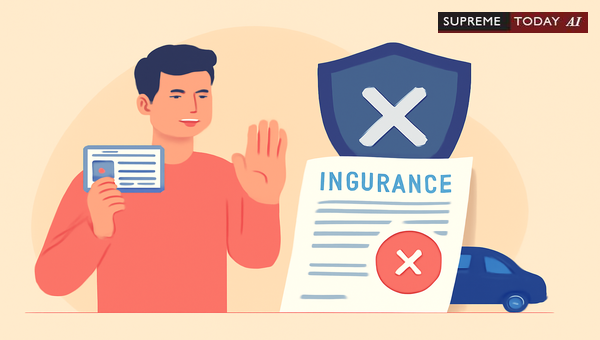
Can Insurer Deny Claim for Invalid Driving License?
Imagine this: A car accident occurs, injuries mount, and the victim files an insurance claim. But the insurer points to the driver's missing or expired license and refuses payout. Absence of Driving License, Whether Insurer can —this is a common dispute in motor accident cases under India's .
As vehicle owners and claimants navigate these claims, understanding is crucial. This post breaks down the legal position, drawing from key judgments, to clarify when insurers can deny claims and when they cannot. Note: This is general information based on precedents; consult a lawyer for specific advice.
Main Legal Finding
The liability of the insurance company is not automatically negated solely because the driver possessed an expired or fake learner’s driving license at the time of the accident. Instead, it hinges on whether the driver was duly licensed under the , if the license was valid at the relevant time, and whether the insurer proves a or that the license was fake or invalid. 1985 0 Supreme(P&H) 629 2024 0 Supreme(Raj) 313
Courts emphasize a nuanced approach: A mere expiry doesn't absolve the insurer, but a proven fake license does. The lies primarily with the insurer. 2008 1 Supreme 555 2024 0 Supreme(Raj) 313
Key Points on
- Learner's License Validity: A is considered a valid license under the , deeming the driver duly licensed for certain purposes. 1985 0 Supreme(P&H) 629 2024 0 Supreme(Raj) 313
- Expiry Not Automatic Bar: isn't excluded if the license expired, provided it was valid at the accident time or renewed/deemed valid statutorily. 2003 8 Supreme 488 2024 0 Supreme(Raj) 313
- Fake/Invalid Licenses: Insurers can contest claims if the license was fake, invalid, or not in force, proving breach of policy. 2008 1 Supreme 555 2024 0 Supreme(Raj) 313 2006 3 Supreme 272
- Burden on Insurer: They must establish the license was fake or invalid at the accident time. 2008 1 Supreme 555 2024 0 Supreme(Raj) 313
Detailed Analysis: When Can Insurers Repudiate?
Recognition of
Multiple rulings affirm that a issued under the qualifies as valid. The driver is duly licensed for insurance purposes, allowing driving within license conditions, like non-commercial use. 1985 0 Supreme(P&H) 629 2024 0 Supreme(Raj) 313 2008 1 Supreme 555
In Swaran Singh, the Court held that insurers cannot be absolved solely because the driver held only a . 1985 0 Supreme(P&H) 629
However, contrasting views exist. In one case, the court interpreted , ruling a learner's license does not amount to a valid license for liability, upholding denial of compensation. Fact: Petitioner had only a learner's at accident time; court dismissed the petition, confirming no valid license.
Impact of Expiry or Renewal
Expiry alone doesn't trigger repudiation if the license was valid during the accident or properly renewed with retrospective effect. Courts reject automatic denial unless invalidity or forgery is proven at the time. 2003 8 Supreme 488 2024 0 Supreme(Raj) 313
For instance, if renewed post-accident but valid during the incident, liability persists. 2003 8 Supreme 488
Yet, other precedents note: Learner's licenses expired over six months prior rendered riders unlicensed on accident date, holding insurers liable only after assessment—but emphasizing invalidity. 2023 Supreme(Online)(KAR) 19245
Fake or Invalid Licenses: Strong Defense
A fake or forged license is no license at all. Insurers succeed if they prove this, as in Ram Chandra Singh, where the Court allowed defense on forgery grounds. 2008 1 Supreme 555 2006 3 Supreme 272
Quote: a fake or forged license per se is not a license and that the insurer can defend on that ground. 2008 1 Supreme 555
In another: vehicle did not possess valid and effective driving license as on the date of the accident. Insurer fastened liability on owner due to driver's invalid license.
Essentials
Insurers bear the onus to show the license was fake, invalid, or expired at the accident time. Failure means they pay, potentially using '' against the owner. Owners must ensure valid licenses, but mere expiry isn't enough for absolution. 2008 1 Supreme 555 2024 0 Supreme(Raj) 313 2003 8 Supreme 488
Contrasting Perspectives from Other Cases
While core judgments favor nuanced liability, some high court decisions lean stricter:
- Insurance plea upheld where petitioner lacked valid license on accident date; learner's issued post-accident irrelevant. 2023 Supreme(Online)(KER) 19032
- held insurer liable despite no license, but appeal noted expired learner's (over 6 months) invalidated it. Total compensation Rs.29,500 with interest. 2023 Supreme(Online)(KAR) 19245
These highlight case-specific facts: Courts examine license status precisely at accident time, balancing policy terms with victim protection.
Exceptions and Limitations
Insurers may repudiate or recover if:- License proven fake/forged at accident. 2008 1 Supreme 555- Owner/driver knowingly used invalid license (breach). - '' invoked post-proof.
Mere expiry won't suffice if valid then. 2003 8 Supreme 488
Practical Recommendations
- Vehicle Owners: Verify genuine, current licenses before allowing driving.
- Insurers: Probe validity via official channels; prove breaches rigorously.
- Claimants: Gather license proofs; challenge weak insurer defenses.
- All Parties: Courts focus on facts—genuine vs. forged, valid vs. expired timing.
Key Takeaways
In summary, insurers cannot automatically repudiate claims for absent or expired learner's licenses if valid at the accident or renewable. But fake/invalid ones enable strong defenses, with proof burden on them. Precedents like Swaran Singh and Ram Chandra Singh guide this, though cases vary. 1985 0 Supreme(P&H) 629 2008 1 Supreme 555
Disclaimer: This outlines general legal trends under ; outcomes depend on facts. Seek professional legal counsel for your situation.
References
- 2008 1 Supreme 555: Fake license defense upheld.
- 1985 0 Supreme(P&H) 629: Learner's as valid license.
- 2024 0 Supreme(Raj) 313: Burden on insurer.
- 2006 3 Supreme 272: Expiry not absolute bar.
- 2003 8 Supreme 488: Renewal effects.
, 2023 Supreme(Online)(KER) 19032, 2023 Supreme(Online)(KAR) 19245: Contrasting invalidity rulings.















