


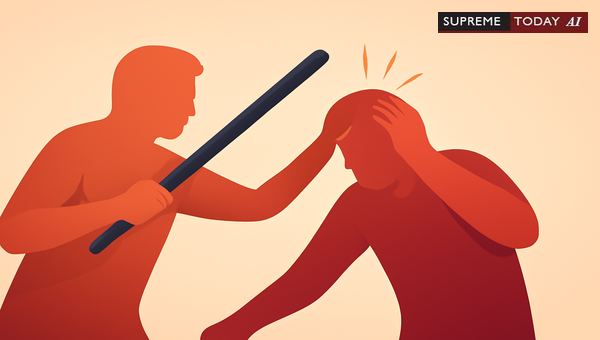
: Iron Rod Assault Cases Explained
Assaults involving everyday objects like iron rods are common in disputes across India, often leading to charges under the . But does using an iron rod automatically escalate the offense beyond simple hurt? The question Iron Rod under frequently arises in legal consultations, highlighting confusion over whether such assaults qualify as non- hurt or something more serious. This blog post breaks down , analyzes relevant case law, and examines factors like injury nature, intent, and evidence that influence court outcomes. Note: This is general information based on judicial precedents and not specific legal advice—consult a qualified lawyer for your situation.
Overview of
punishes , a , typically attracting up to one year imprisonment, a fine up to ₹1,000, or both. It applies when injuries are simple—painful but not (e.g., no fracture, emasculation, or life-threatening harm as defined under ). Courts emphasize that the weapon alone doesn't determine the section; the injury's nature and accused's intent are key. 2022 0 Supreme(Cal) 966
In assaults with blunt objects like iron rods, convictions under often stand if shows simple injuries such as or without deeper damage. For instance, trial courts have convicted accused for causing subdural hematoma and via , ruling out hurt. 2022 0 Supreme(Cal) 966 2020 0 Supreme(Kar) 978
Nature of Assault with Iron Rod: Evidence Matters
frequently contradict on weapons—some say iron rod, others lathi—but courts focus on the blunt impact. If injuries remain simple, applies. However, sharp or cutting iron rods may push cases toward or higher. 2024 0 Supreme(Cal) 848 states: PW-1 and PW-2 were assaulted with a sharp cutting iron rod, so the offence does not come within the ambit of of the Indian Penal Code.
- Contradictory Evidence: Discrepancies don't always acquit if medical reports corroborate blunt trauma. Courts uphold convictions relying on injured witnesses despite inconsistencies. 2022 0 Supreme(Cal) 966
- Medical Corroboration: Subdural from rods have led to upheld, as they weren't deemed . 2020 0 Supreme(Kar) 978
- Weapon Description Issues: FIRs mentioning iron rod vs. medical notes saying sharp iron rod or knife create doubt, sometimes benefiting the accused. 2020 0 Supreme(Mad) 1129 notes: In the , it has been stated as iron rod and in Ex.P-7 , it is stated as sharp iron rod.
In one case, no blood on the seized iron rod supported reducing charges, applying Exception 4 to for non-murderous intent. 2014 0 Supreme(Del) 190 observes: It is not stated that the iron rod was actually used. No blood was found on the iron rod as per the .
Sentencing and Judicial Discretion
Sentences under reflect injury severity and circumstances. Courts often impose fines (e.g., ₹1,000 with 3 months ) for simple hurt, showing leniency without prior records. 2022 0 Supreme(Mad) 1950
- Lighter Penalties: If no intent for harm, fines suffice. Judicial considerations include absence. 1985 0 Supreme(SC) 167 1973 0 Supreme(SC) 245
- : Multiple counts run concurrently. 2024 0 Supreme(Cal) 848
- Mitigating Factors: Influence of liquor or sudden quarrels may alter outcomes, though premeditated enmity strengthens cases. In a family dispute, assaults causing head injuries led to convictions despite liquor claims. 2018 0 Supreme(Bom) 259
Courts stress: The courts have emphasized the importance of the nature of the injuries and the intention behind the act. 1985 0 Supreme(SC) 167
Relevant Case Law: Convictions, Acquittals, and
Judicial precedents illustrate nuanced applications:
- Convictions Upheld: Reliable injured witness testimony trumps minor lapses. One court dismissed an appeal, affirming guilt via medical reports despite inconsistencies. (From summary on assault under 307/323/324)
- Acquittals for Lack of Role: No specific or leads to acquittal under 323/354/34. 2016 0 Supreme(Del) 3401 clarifies: No overt act has been attributed to the abovementioned three appellants... with regard to except grappling.
- Escalation to Offenses: Iron rod blows to the head in murders support 302/307 convictions. 2023 0 Supreme(Raj) 1722 records: Rafique (PW-1) has also stated that Hamid gave an iron rod blow on the head of deceased.
- Scrutiny: Multiple accused need proven shared intent; otherwise, downgrade from serious charges. 2013 5 Supreme 129
- Robbery Contexts: Iron rods as in robberies invoke . 2014 0 Supreme(Del) 490
- Cockfight Enmity: Pre-existing rivalry with rod assaults led to 302/307 convictions, rejecting claims. 2020 0 Supreme(Mad) 1129
Clear, cogent evidence is mandatory; failures grant benefit of doubt. 2009 0 Supreme(UK) 563 2010 0 Supreme(SC) 347
When Iron Rod Assaults Exceed
Not all rod cases stay at 323. Sharp rods or head blows causing hurt invoke 324, 307, or 302. For example:
- Murder/Attempt: Stomach stabs plus rod blows to head. 2023 0 Supreme(Raj) 1722
- Family Violence: Hidden rods in shrubs post-assault, leading to 302/34. 2018 0 Supreme(Bom) 259
- Spot Maps and Seizures: Proper evidence collection strengthens prosecution. 2018 0 Supreme(Bom) 259
The reliability of injured witnesses' testimony and medical reports can establish guilt despite inconsistencies and lapses in the investigation. (Case summary on 307/323/324)
Conclusion and Key Takeaways
Under , iron rod assaults typically result in convictions for simple hurt if injuries are non-, intent lacks severity, and evidence holds. However, sharp rods, head blows, or group intent can elevate charges. Key factors:
- Evaluate Injuries: Simple vs. via medicals.
- Prove Intent: No favors leniency.
- Strengthen Evidence: Witness consistency and forensics crucial.
- Advocate Mitigation: No priors or sudden fights help sentencing.
Discrepancies can sway outcomes, so thorough investigation is vital. For personalized guidance, seek professional legal counsel. References: 2022 0 Supreme(Cal) 966 2022 0 Supreme(Mad) 1950 2020 0 Supreme(Kar) 978 1985 0 Supreme(SC) 167 1973 0 Supreme(SC) 245 2009 0 Supreme(UK) 563 2010 0 Supreme(SC) 347 2013 5 Supreme 129 2024 0 Supreme(Cal) 848 2023 0 Supreme(Raj) 1722 2020 0 Supreme(Mad) 1129 2018 0 Supreme(Bom) 259 2016 0 Supreme(Del) 3401 2014 0 Supreme(Del) 490 2014 0 Supreme(Del) 190
This analysis draws from established precedents to demystify Iron Rod under , aiding better legal navigation.
#Section323IPC, #IronRodAssault, #IPCIndia












