


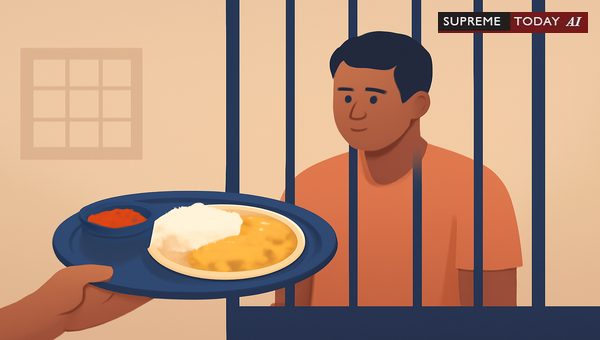
Home-Cooked Food for Detainees in Karnataka : Legal Insights
Imagine a loved one arrested in a serious murder case and remanded to in Karnataka. Amid the stress of legal battles, a simple concern arises: Can they get home-cooked food? This question touches on fundamental rights to and humane treatment during detention. While no explicit statute mandates home-cooked meals, constitutional protections and procedural laws provide a pathway. This post explores the procedure—or lack thereof—drawing from key legal principles and Karnataka-specific contexts. Note: This is general information, not legal advice. Consult a qualified lawyer for your situation.
Understanding the Legal Question
The core issue is: Procedure to Get Home Cook Food by Accused Arrested and Detained in Involved in Murder Case Invoking Karnataka. In high-stakes cases like murder, detainees often face strict custody conditions. Families worry about nutrition, health, and emotional well-being, especially when jail food may not suit dietary or medical needs. Karnataka's prisons, governed by the , and state rules, emphasize basic amenities, but home-cooked food isn't a guaranteed right—it's tied to broader humane treatment standards. 2016 4 Supreme 397
Constitutional and Procedural Safeguards for Detainees
India's , particularly , guarantees the , extending to detainees. The has repeatedly stressed that detainees be treated with and in accordance with law. 2016 4 Supreme 397 This includes protection from arbitrary arrest, timely production before a magistrate (within 24 hours under ), and avoidance of inhumane conditions. 2016 4 Supreme 397
Under the , outline arrest and remand procedures. Detainees must not face humiliation, and facilities should provide proper treatment during custody. 2016 4 Supreme 397 While food specifics aren't detailed, courts interpret this to include adequate and suitable nourishment. 2013 0 Supreme(SC) 1267
In rulings, similar emphases appear. For instance, in cases involving murder accusations, procedural lapses like failure to serve grounds of arrest promptly have led to bail grants, underscoring personal liberty. 2024 0 Supreme(Kar) 594 The court noted: Failure to serve grounds of arrest immediately renders the arrest illegal, entitling the accused to bail, emphasizing the importance of personal liberty and compliance with constitutional rights. 2024 0 Supreme(Kar) 594
No Explicit Procedure, But Principles Support Requests
Key finding: There is no specific provision or detailed legal procedure for home-cooked food in Karnataka .2016 4 Supreme 397 2013 0 Supreme(SC) 1267 Documents highlight and facilities like sanitation, water, and cooking arrangements, implying flexibility for special needs. 2013 0 Supreme(SC) 1267
However:- Humane treatment is paramount: Jails must ensure basic needs; denial could violate . Courts have awarded compensation for procedural violations jeopardizing . 2016 4 Supreme 397- Facility policies matter: Karnataka prisons may allow home-cooked food via family applications, subject to security checks (e.g., no contraband). This aligns with guidelines on prisoner rights.- Medical/dietary exceptions: If health requires it, requests gain stronger footing. For example, in a Karnataka case, disputes over food preparation highlighted interpersonal conflicts but reinforced the need for proper amenities.
Other matters, like those involving murder probes, show detainees in since arrests, with focus on bail and conditions rather than food specifics.
Yet, these reinforce oversight: The petitioner is in since .
Practical Steps: How Families Can Request Home-Cooked Food
Though not codified, here's a general approach based on legal principles:1. Formal Application: The detainee or family submits a written request to jail authorities, citing and Cr.P.C. humane treatment mandates. Reference medical certificates if applicable.2. Superintendent Approval: Prison superintendents typically review for security and feasibility. Karnataka Prison Rules may permit inspected home food.3. Court Intervention: If denied unreasonably, approach the magistrate or under . or writs have been used in custody disputes, though statutory remedies like take precedence. 2023 0 Supreme(All) 219 As one ruling stated: They have availed effective statutory remedy and thus, have put criminal administration of justice into motion. 2023 0 Supreme(All) 2194. Bail Pursuit: In murder cases, bail applications under often succeed on procedural grounds. 2024 0 Supreme(Kar) 594 , especially with trial delays. 2024 0 Supreme(Kar) 594
In preventive detention contexts, even stringent laws prioritize applied mind and records. 2021 0 Supreme(Mad) 2343 Families should document everything.
Insights from Related Karnataka Cases
judgments provide context:- Murder and Conspiracy Probes: Accused remanded post-arrest, with emphasis on evidence and rights. Food isn't mentioned, but custody conditions are scrutinized.
- Rowdy Elements in Custody: Detainees in murder-linked cases face strict regimes, yet rights persist. 2015 0 Supreme(Mad) 1477- Limits: Writs aren't substitutes for bail; pursue regular channels first. 2014 0 Supreme(Mad) 4326 Firstly, the accused is involved in a criminal case for which he has been arrested and produced before the Magistrate and remanded to . 2014 0 Supreme(Mad) 4326
These cases illustrate that while murder accusations heighten scrutiny, basic rights endure. Integrating home food requests fits within this framework.
Exceptions, Limitations, and Recommendations
Limitations:- No statutory right; depends on jail policy and security.- High-risk cases (e.g., murder) may restrict external food.- Overcrowding or logistics could hinder. 2013 0 Supreme(SC) 1267
Recommendations:- Act Promptly: File requests early via legal counsel.- Document Needs: Use doctor's notes for special diets.- Seek Oversight: Courts intervene for inhumane denial. Develop facility policies for nutrition. 2016 4 Supreme 397- Explore Bail: Procedural flaws often aid release. 2024 0 Supreme(Kar) 594
Key Takeaways
While Karnataka lacks a step-by-step procedure for home-cooked food in —even in murder cases— and Cr.P.C. principles compel humane treatment, including suitable food. Families can request via administrative channels, escalating to courts if needed. Stay informed, document issues, and prioritize legal remedies. For personalized guidance, contact a Karnataka-based criminal lawyer.
References:- 2016 4 Supreme 397 – Constitutional protections and Cr.P.C. safeguards.- 2013 0 Supreme(SC) 1267 – Detention facilities and humane standards.- Additional cases: 2024 0 Supreme(Kar) 594, 2023 0 Supreme(All) 219,
, etc.
This overview empowers you amid tough times—knowledge is a vital ally in justice.
#KarnatakaLaw, #JudicialCustody, #PrisonerRights


![Sudhakar [A1] VS State Rep. by The Inspector of Police, Meenambakkam Airport Police Station, Chennai - 2016 Supreme(Mad) 3032](https://supremetoday-s3.b-cdn.net/Madras_small_2.png)












