


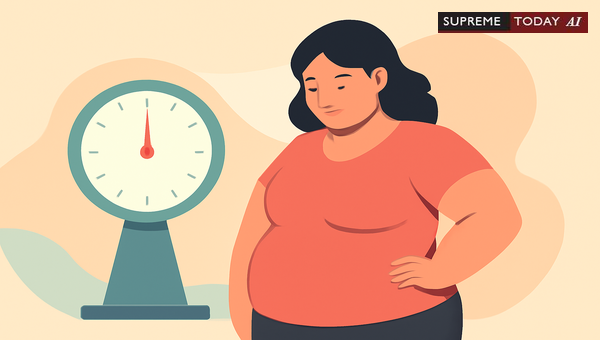
High Court on : Key Legal Insights
Introduction
In today's society, —derogatory comments about a person's weight, size, or appearance—has become a pervasive issue, often dismissed as harmless banter. However, the High Court has repeatedly addressed this concern, underscoring its unacceptability and exploring its legal boundaries. Whether in matrimonial disputes, criminal complaints, or employment contexts, the court has provided clarity on when such acts cross into legal territory.
The question arises: What is the High Court's stance on ? Through landmark observations, the court has condemned socially while delineating its limits under criminal law, particularly regarding and discrimination. This blog delves into these rulings, drawing from key judgments to offer insights for individuals, employers, and legal professionals.
and Under the
A central theme in High Court decisions is whether qualifies as '' under , which targets harassment of married women by husbands or relatives.
In one significant case, the court examined allegations where the petitioner, the wife of the elder brother of the first accused, faced claims of . The court clarified that and doubting the medical degree of the de facto complainant are the allegations against the petitioner. It held that such acts do not meet the , as under Section 498A requires conduct likely to drive a woman to suicide or cause grave injury. Mere comments, even derogatory ones about appearance or qualifications, fall short of this standard 2024 Supreme(Online)(KER) 34862.
The court further defined 'relative' broadly under Section 498A, including those related by marriage like a brother's wife, but dismissed the petition on grounds, emphasizing: Allegations of do not constitute as defined by law 2024 Supreme(Online)(KER) 34862 2024 0 Supreme(Ker) 1232.
This ruling aligns with broader observations that mere or questioning someone's educational qualifications does not constitute under the 2024 0 Supreme(Ker) 1232.
Key Takeaways on :
- : Must involve severe harm or risk of suicide; casual remarks typically do not suffice.
- Relative Definition: Encompasses blood, marriage, or adoption ties, expanding potential liability but not equating shaming to 2024 Supreme(Online)(KER) 34862.
- Quashing Proceedings: Courts may invoke if allegations lack substance, preventing .
Societal Condemnation of
Beyond criminal thresholds, the High Court has unequivocally stated that is not acceptable in society. Comments labeling someone as too fat, too skinny, or any other derogatory remarks should be avoided, reflecting a push for cultural change
.
This stance promotes inclusivity, recognizing the psychological toll of such remarks. While not always criminal, the court highlights their detrimental effects, encouraging societal norms that value dignity over appearance.
in Employment and Discrimination
The court has extended its scrutiny to professional settings, particularly discriminatory standards based on body image.
In a pivotal employment case, the High Court struck down a Body Mass Index (BMI) requirement for General Duties Medical Officers. It ruled this entrenches systemic body weight discrimination and violates
.
Such mandates, the court noted, perpetuate bias rather than ensuring fitness, urging merit-based evaluations over physical stereotypes.
Employment Discrimination Checklist:
- Review Job Criteria: Ensure requirements like BMI are job-relevant and non-discriminatory.
- Constitutional Safeguards: Policies infringing equality rights may face judicial invalidation
.
- Inclusive Hiring: Promote standards focusing on skills, not appearance.
Related Cases: Quashing Frivolous Complaints
Other judgments reinforce these principles. In a case under (insulting modesty of a woman), allegations involved strangers calling the complainant fat and her at a public place, leading to mental trauma. The court quashed proceedings under , finding the material on record does not disclose commission of alleged offences, deeming continuation an 2025 Supreme(Online)(Kar) 14906.
This underscores that even in public insult cases, evidence must substantiate legal violations; unsupported claims risk dismissal 2025 Supreme(Online)(Kar) 14906.
Broader Legal and Social Implications
High Court's rulings signal evolving jurisprudence on body positivity and anti-discrimination. While rarely meets criminal standards, it invites civil remedies or workplace challenges under equality provisions.
Legal practitioners should note:- Advocacy Role: Push for anti-shaming policies in workplaces and communities.- Case Strategy: In 498A matters, scrutinize if allegations exceed mere comments 2024 0 Supreme(Ker) 1232 2024 Supreme(Online)(KER) 34862.- Awareness Campaigns: Educate on constitutional rights to combat bias
.
These developments foster a more empathetic legal framework, though outcomes depend on facts.
Conclusion and Key Takeaways
The High Court firmly opposes , condemning it socially and limiting its criminal scope while robustly protecting against discriminatory practices like BMI mandates. Rulings emphasize dignity, equality, and evidence-based justice.
Key Takeaways:- typically does not constitute but is socially unacceptable
2024 0 Supreme(Ker) 1232.- Employment standards must align with constitutional equality
.- Frivolous complaints may be quashed to prevent process abuse 2025 Supreme(Online)(Kar) 14906.
Disclaimer: This post provides general information based on public judgments and is not legal advice. Consult a qualified attorney for case-specific guidance.
References:- 2024 0 Supreme(Ker) 1232-
- 2024 Supreme(Online)(KER) 34862- 2025 Supreme(Online)(Kar) 14906 #BodyShaming #KeralaHighCourt #LegalRights












