


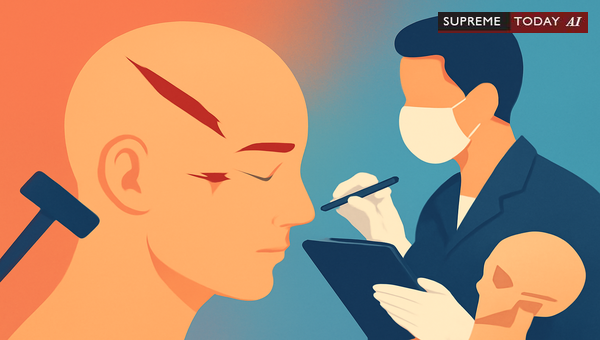
Can Lathi Cause Incised Wound on Parietal Region?
In high-profile assault cases across India, weapons like the lathi—a traditional bamboo stick often used as a blunt instrument—frequently come under scrutiny. But can such a blunt object really produce an incised wound on the sensitive parietal region of the skull? This question arises often in criminal trials involving head injuries, where distinguishing between blunt and is crucial for determining under the .
This blog post dives into medical evidence, forensic reports, and landmark court judgments to address: Can a lathi on the parietal region cause an incised wound? We'll explore the science behind wound types, real-world case examples, and legal implications. Note: This is general information based on precedents and should not be taken as specific legal advice. Consult a qualified lawyer for your case.
Understanding Lathi Injuries and Wound Classification
A lathi is typically a long, thick bamboo stick, classified as a blunt weapon. However, its edge or the force of impact can sometimes mimic sharp-edged injuries. The parietal region refers to the upper side and top of the skull, a vulnerable area prone to severe trauma.
Wounds are broadly categorized as:- : Irregular, torn edges from blunt force splitting the skin.- : Clean, sharp cuts typically from edged weapons, but possible with blunt objects under specific conditions like high velocity, angled strikes, or contact with a weapon's protruding edge.
Medical experts note that blunt weapons like lathis can cause wounds appearing incised if the blow's force shears the skin cleanly. This is especially true on the scalp, where thin skin and underlying bone amplify the effect. [
#LathiInjury, #ForensicLaw, #HeadTrauma














