




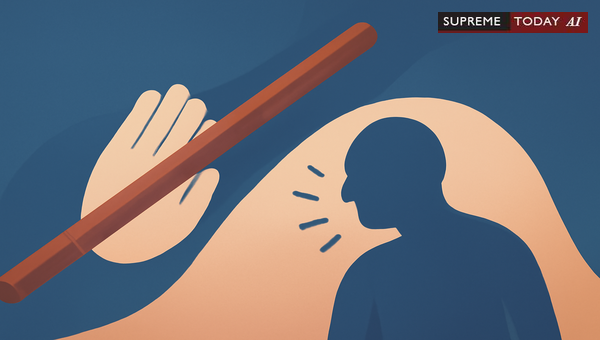
Is Lathi a in Indian Law?
In the heat of a dispute, everyday objects like a wooden stick—commonly known as a lathi in India—can become central to legal battles. But what exactly constitutes a under Indian law? This question often arises in cases involving or under the (), particularly and 326. If you're facing or defending such a charge, understanding judicial perspectives is crucial.
Important Disclaimer: This article provides general information based on judicial precedents and is not legal advice. Consult a qualified lawyer for case-specific guidance.
What Makes a Weapon 'Dangerous' Under ?
and 326 of the distinguish between and based on the weapon used. Section 324 addresses voluntarily causing by a or means, while covers by such means. A is typically one likely to cause death or serious injury. However, courts emphasize that classification isn't solely about the object but its manner of use, target area, and resulting harm. 2025 Supreme(Online)(Ori) 1212
The legal question at hand is: What is the ? Specifically, does a lathi qualify? Indian courts have consistently ruled that a lathi is generally not a unless wielded in a way that elevates its lethality. 2023 0 Supreme(All) 348 1911 0 Supreme(Cal) 8
Judicial Consensus: Lathi as a Non-Deadly Instrument
The and have repeatedly clarified that a lathi—a blunt, ordinary wooden or bamboo stick—is not inherently lethal. Here's a breakdown of key rulings:
- In , paras 3 & 4 state: bamboo-stick and lathies are not lethal or deadly weapons. 2023 0 Supreme(All) 348
- , para 3 holds: lathi is not a deadly weapon. 2023 0 Supreme(All) 348
- , paras 10 & 11 affirm: stick or lathi is not a deadly weapons. 2023 0 Supreme(All) 348
- , para 13 notes: lathi is not a dangerous weapons and injuries caused by it would not be covered under and 326 . 2023 0 Supreme(All) 348
These precedents underscore that lathis are common household or agricultural tools, lacking the sharpness or inherent deadliness of knives or axes. 2005 1 Supreme 215 2015 4 Supreme 762
Factors Determining Classification: Manner of Use and Context
While a lathi starts as non-dangerous, courts assess:
- Manner of Use: A single blow in a trivial quarrel doesn't elevate it, but repeated forceful strikes on vital parts (e.g., head or skull) might. 1911 0 Supreme(Cal) 8 2005 1 Supreme 215
- Targeted Body Part: Hits to non-vital areas cause simple injuries; skull blows can be grievous. For instance, one case noted injuries from a blunt weapon and lathi on the skull as dangerous to life.
- Rajasthan
- Intent and Circumstances: Premeditation or use in a mob attack changes the narrative. 2024 Supreme(Online)(JHK) 6138
- Injury Severity: Medical evidence is key. Superficial wounds fall under (); fractures or life-threatening damage may invoke 326. 2022 Supreme(Online)(MP) 5820 2024 Supreme(Online)(MP) 4646
In Joseph v. State of Kerala and similar cases, the reiterated this fact-specific approach. 2023 0 Supreme(All) 348
Additional sources reinforce this:- Applicants armed with a lathi lying on the spot were not deemed to use a , absent premeditation. 2024 Supreme(Online)(MP) 3962- Evidence showed no for murder as no was used, despite lathis. 2024 Supreme(Online)(JHK) 6138
Exceptions: When Lathi Becomes 'Dangerous'
Courts may reclassify a lathi if:- It causes grievous injury (e.g., fractures) or targets vital organs. 2005 1 Supreme 215- Combined with other weapons, like sharp cutting tools. One medical report noted injuries from lathi and sharp cutting weapon. 2023 Supreme(Online)(CAL) 14218- Used in with dangerous arms. 2024 Supreme(Online)(JHK) 1450
However, even then, the default is non-deadly: injuries caused by a lathi have been classified as simple or not dangerous to life, especially when... not causing grievous harm. 2022 Supreme(Online)(MP) 5820 2024 Supreme(Online)(MP) 4646
Strategic Recommendations for Cases
- Prosecution: Prove manner of use likely caused death/ via medical evidence and witness accounts.
- Defense: Highlight lathi's blunt, everyday nature and lack of intent. Argue for Sections 323/325 .
- Courts: Fact-specific scrutiny prevents over-classification. 2023 0 Supreme(All) 348
Broader Legal Principles
Courts distinguish blunt instruments from sharp ones: The courts have consistently distinguished between a blunt, non-sharp instrument and weapons like knives or swords, which are inherently deadly. 2003 8 Supreme 670 2025 0 Supreme(Del) 622
In one analysis, the legal distinction hinges on the injury's severity rather than the weapon itself. While lathis often lead to Section 325 charges, severe cases may reach 326. 2024 Supreme(Online)(MP) 33415
Conclusion and Key Takeaways
A lathi is typically not a dangerous or deadly weapon in Indian law, per numerous judgments. Its status depends on use, context, and injury—facts courts evaluate meticulously. 2023 0 Supreme(All) 348 1911 0 Supreme(Cal) 8
Key Takeaways:- Lathi = Non-deadly by default. 2023 0 Supreme(All) 348- Elevate via vital targeting or grievous harm. 2005 1 Supreme 215
- Rajasthan
- Always fact-driven; medical proof pivotal.- Seek expert advice for defenses.Stay informed on evolving precedents. For more legal insights, subscribe to our blog!
References
- 2023 0 Supreme(All) 348: Core judgments on lathi as non-deadly.
- 1911 0 Supreme(Cal) 8: Context-dependent classification.
- 2005 1 Supreme 215, 2015 4 Supreme 762: Fact-specific factors.
- 2025 Supreme(Online)(Ori) 1212: 324/326 explanations.
- Other cases:
- Rajasthan
, 2024 Supreme(Online)(MP) 3962, etc.















