


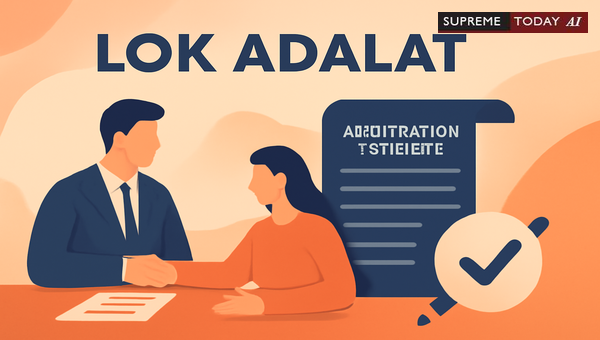
Lok Adalat vs Arbitration Tribunals: Key Differences Explained
In the realm of (ADR) in India, two prominent mechanisms stand out: Lok Adalat and Arbitration Tribunals. These forums offer efficient ways to resolve disputes outside traditional courts, but they differ significantly in their nature, procedures, and applicability. If you've ever wondered about the elaborated difference between Lok Adalat and Arbitration Tribunals as per their respective statutes, this post breaks it down comprehensively.
Whether you're a business owner facing commercial disputes, an individual with a civil matter, or simply curious about Indian legal processes, understanding these differences can help you choose the right path. Note that this is general information and not specific legal advice—consult a qualified lawyer for your situation.
1. Nature and Purpose
Lok Adalat
Lok Adalat, meaning People's Court, emphasizes amicable settlements to ease the judicial burden. Its objective is to facilitate compromise in disputes, particularly benefiting weaker sections of society. It operates under the , which promotes free and justice accessibility. 2009 0 Supreme(Ker) 625
Jurisdiction is limited to or disputes where settlement is legally permissible. It cannot handle . For instance, cases like motor accident claims or family disputes often find resolution here. 2017 0 Supreme(UK) 101
Arbitration Tribunals
In contrast, Arbitration Tribunals focus on , akin to court proceedings but with greater flexibility. Governed by the , they resolve disputes based on an between parties. This includes a broad spectrum, from commercial to complex contractual issues, without restriction to compoundable matters. 2017 0 Supreme(AP) 79
The has clarified the distinction: litigation is a legal action in a Court of law whereas arbitration is the resolution of a dispute between the two contracting parties by the persons chosen by them to be arbitrators. 2020 0 Supreme(MP) 1211 2018 0 Supreme(MP) 219 2018 0 Supreme(MP) 360
Arbitration's purpose shines in cases like apartment sale delays, where courts appoint arbitrators despite statutory remedies. 2024 0 Supreme(Gau) 640
2. Composition
Lok Adalat
A Lok Adalat panel typically includes a presiding officer (often a retired judge) and two members with expertise in relevant fields, such as public utility services. The emphasis is on mediation, not strict adjudication. 2009 0 Supreme(Ker) 625
Arbitration Tribunals
Arbitration panels are party-driven: each side appoints an arbitrator, and they select a presiding arbitrator. This allows for specialized expertise, ideal for technical disputes. Courts may intervene for appointments under , as seen in cases referring disputes to a sole arbitrator. 2017 0 Supreme(AP) 79 2024 0 Supreme(Gau) 640 2022 0 Supreme(Mad) 3083
For example, in disputes over operation and maintenance agreements, courts appoint sole arbitrators based on party consensus. 2022 0 Supreme(Mad) 3083
3. Process and Procedure
Lok Adalat
Proceedings are informal and negotiation-focused, designed for speed. Parties discuss voluntarily, aiming for settlement within short timelines. Outcomes are final and binding, equivalent to a , with no appeals except on jurisdictional grounds. 2009 0 Supreme(Ker) 625 2017 0 Supreme(UK) 101
This mirrors real-world applications, like property tax reassessments post-Lok Adalat settlements.
Arbitration Tribunals
Arbitration follows a structured yet flexible process: evidence, witnesses, arguments, per the 1996 Act. It's more formal than Lok Adalat but confidential and efficient. Awards are binding but challengeable on limited grounds, like procedural irregularities. 2017 0 Supreme(AP) 79
Courts distinguish tribunals from courts: all 'Courts' are 'Tribunals', but all 'Tribunals' are not Courts. 2024 0 Supreme(Gau) 640
In contract terminations, arbitration clauses mandate resolution by chosen arbitrators before court escalation. 2020 0 Supreme(MP) 1211
4. Appeal and Review
Lok Adalat
Awards are non-appealable except for lack of jurisdiction, where can intervene. This finality promotes quick closure. 2017 0 Supreme(UK) 101
Arbitration Tribunals
Awards face limited judicial review under the 1996 Act—grounds include incapacity, improper notice, or . This allows oversight without endless litigation. 2017 0 Supreme(AP) 79
Cases highlight this: are often directed to arbitration first. 2020 0 Supreme(MP) 1211
Additional Insights from Case Law
Indian jurisprudence reinforces these distinctions. In arbitration, parties must include all claims in references, akin to , preventing fragmented litigation. 2018 0 Supreme(MP) 360
Lok Adalat awards, once passed, bind parties strictly, as in compensation withdrawals or settlements.
Other forums like handle insolvency but defer to arbitration clauses.
Hotel Indira Pvt. Ltd. & Oth VS Shiuli Roy & Ors.
In supply contract disputes, courts push for arbitration over writs, emphasizing contractual remedies. 2020 0 Supreme(MP) 1211
These examples show Lok Adalat's settlement bias versus arbitration's adjudicative depth.
When to Choose Which?
- Opt for Lok Adalat if disputes are compoundable, parties are conciliatory, and speed is key (e.g., family, small claims). It's cost-effective and informal.
- Choose Arbitration for commercial, high-stake matters needing expertise and enforceability (e.g., contracts, international trade).
| Aspect | Lok Adalat | Arbitration Tribunals ||---------------------|-------------------------------------|------------------------------------|| Basis | Settlement | Adjudication || Formality | Informal | Formal but flexible || Appeal | Almost none | Limited grounds || Jurisdiction | Compoundable only | As per agreement |
Conclusion and Key Takeaways
Lok Adalat and Arbitration Tribunals complement India's ADR landscape: the former fosters harmony through compromise under the 1987 Act 2009 0 Supreme(Ker) 625, while the latter delivers justice via expert adjudication under the 1996 Act 2017 0 Supreme(AP) 79. The choice hinges on dispute nature—amicable vs. adversarial.
Key Takeaways:- Lok Adalat: Quick, binding settlements for eligible cases. 2017 0 Supreme(UK) 101- Arbitration: Versatile, party-controlled resolution with review options.- Always check statutes and agreements first.
For tailored guidance, reach out to legal experts. Stay informed on evolving ADR trends!
References:2017 0 Supreme(UK) 101 2009 0 Supreme(Ker) 625 2017 0 Supreme(AP) 79 2024 0 Supreme(Gau) 640 2020 0 Supreme(MP) 1211 2018 0 Supreme(MP) 219 2018 0 Supreme(MP) 360 2022 0 Supreme(Mad) 3083
(Word count: approx. 1050. This post draws from statutory provisions and judgments for educational purposes.)
#LokAdalat #Arbitration #ADRIndia















