


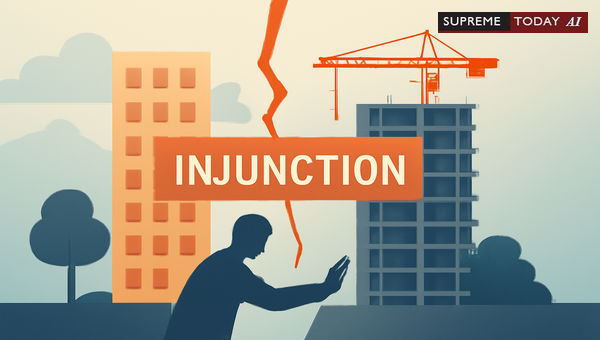
Can Neighbours in Malaysia Stop High-Rise Builds via ?
Imagine waking up to the rumble of construction equipment next door, only to realize your peaceful view is about to be overshadowed by a towering high-rise. As a property owner in Malaysia, you might wonder: Can a neighbouring unit being affected apply from the court for an injunction to stop a landowner from building high-rise properties? This is a common concern in densely populated areas where urban development is booming.
In this article, we'll explore the legal landscape under Malaysian civil law, drawing from key judgments and principles. Note that this is general information based on case law and should not be taken as specific legal advice—consult a qualified lawyer for your situation.
Main Legal Finding: Yes, Under Specific Conditions
In the Malaysian judiciary context, a neighbouring unit affected by a landowner’s construction activities, including high-rise development, can seek from the court to prevent that threaten their rights or interests, provided they demonstrate sufficient legal grounds such as interference with their possession, use, or legal rights.
Courts have recognized the right of neighbours to seek injunctions to prevent unlawful or unauthorized construction that adversely affects their rights. The court’s jurisdiction to grant injunctions depends on establishing that the construction is unlawful, unauthorized, or infringes upon the neighbour’s legal rights or interests. Crucially, the neighbour must show that the construction poses a real threat or cause of harm, such as , violation of land use conditions, or .
Legal Basis for Seeking an Injunction
Establishing Unlawful Construction
Malaysian courts have consistently upheld neighbours' rights in cases of unauthorized works. For instance, in a key scenario discussed in , plaintiffs sought injunctions against defendants for unlawful construction without valid permissions, which damaged their rights to land support and safety. The court found concerning the legality of the defendants' construction and the risk to public safety, favoring the injunction to prevent ongoing harm.
The court’s power to grant an injunction hinges on demonstrating:- Unlawful or unauthorized construction activities- Breach of statutory or land use conditions- Threat or actual harm to neighbouring rights or safety
Compliance with Building and Planning Laws
Construction must adhere to relevant planning and building laws in Malaysia. In 2008 7 Supreme 648, the court emphasized following proper procedures under municipal building laws and obtaining permits. Unauthorized structures could be subject to demolition or injunctions if they violate such laws. Similarly, neighbours can succeed if construction violates building rules, like exceeding permissible height or breaching safety standards. 2008 7 Supreme 648
High-rise projects often require approvals for fire safety, open spaces, and height limits. Illegal constructions exceeding these—due to lack of permits or code violations—can be restrained by courts. 2008 7 Supreme 648
Insights from Related Malaysian Cases
Other judgments reinforce these principles. In
, a neighbour sought a against a on adjacent reserve land, citing soil erosion, structural damage, and environmental impact. The court granted the stay, finding special circumstances due to potential and alleged illegality of the . It held that the should not be altered when an alleged illegal decision could cause .
This aligns with neighbour concerns over earthworks preceding high-rises. Before commencing earthworks, developers conducted a with neighbouring owners' agreement, yet the court prioritized evidence of harm.
In another context,
involved disputes over adjacent land ownership and development, highlighting how conditions in land titles can limit constructions affecting neighbours.
Non-Malaysian sources offer comparative insights but underscore universal principles. For example, courts elsewhere refuse injunctions without proven injury from building violations, stating No temporary injunction can be granted in favour of the neighbouring owner in such a case unless it results in specific harm. 2001 0 Supreme(Kar) 760 This mirrors Malaysian requirements for demonstrated rights infringement.
Limitations and Judicial Discretion
Not every complaint succeeds. Courts exercise discretion based on case strength:- If construction is lawful with all permissions, neighbours have limited grounds.2008 7 Supreme 648- Mere apprehension without specific harm may not suffice.- and are weighed, especially for large developments.
For instance, if high-rises comply with approvals from authorities like local councils or airport/fire services (as in 2023 0 Supreme(Telangana) 364), injunctions are harder to obtain.
Practical Steps and Recommendations
If you're a neighbour facing high-rise construction:- Gather evidence: Photos, surveys, permit violations, or expert reports on harm (e.g., structural risks, light blockage).- Demonstrate infringement: Show how it breaches your rights, like or safety.- Seek early legal advice: Assess case viability and file promptly under civil procedure rules.- Consider alternatives: Lodge complaints with local authorities first for enforcement.
Recommendations from case law:- Focus on unlawful aspects, statutory breaches, or safety risks. - Ensure procedural compliance to avoid dismissal.
Key Takeaways
- Neighbours in Malaysia may apply for injunctions against high-rise builds if unlawful or harmful, backed by strong evidence. 2008 7 Supreme 648
- Success depends on proving real threats, not just dislike of the project.
- Courts prioritize legality, safety, and balance—lawful developments proceed.
In conclusion, while high-rise developments drive Malaysia's growth, neighbours aren't powerless against unlawful ones. Armed with the right grounds, you can seek court protection. Always consult a legal professional for tailored guidance, as outcomes vary by facts.
References:1. : Criteria for injunctions against unlawful construction.2. 2008 7 Supreme 648: Building procedures and restraining illegal high-rises.3.
: Judicial stays for neighbour harm.
This post is for informational purposes only and does not constitute legal advice.
#MalaysiaPropertyLaw, #NeighbourDispute, #ConstructionInjunction















