


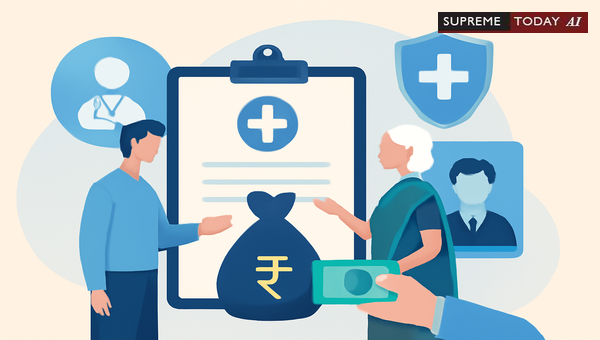
Can Heirs Claim Under G.O. Ms. 97?
Losing a loved one is devastating, especially when medical bills pile up. For families of government employees in India, a common question arises: As per G.O. Ms. 97, whether the deceased government employee's family can claim the amount? This query often surfaces in states like Tamil Nadu, where government orders (G.O.s) govern employee benefits. While doesn't explicitly detail , and related policies generally support such reimbursements under fair conditions. This post breaks down the legal landscape, key rulings, and practical steps—remember, this is general information, not specific legal advice. Consult a lawyer for your case.
What is and Its Scope?
typically refers to directives on medical benefits for government employees, often linked to schemes like the Tamil Nadu Government Employees Medical Scheme. However, the order itself lacks explicit criteria for claims by deceased employees' heirs. Instead, eligibility hinges on broader rules, policies in force at the time of treatment, and constitutional principles. Courts emphasize that the government's duty to reimburse stems from , which protects the right to health as part of the right to life. 1999 0 Supreme(Del) 307
Key point: Reimbursement isn't barred by death; it's governed by applicable schemes, ensuring fairness in emergencies or recognized treatments. 2009 5 Supreme 622 2008 0 Supreme(Del) 724
Eligibility Criteria for Deceased Employees' Claims
Legal heirs or dependents can generally pursue reimbursement if they prove:- The treatment was for the deceased employee.- Valid bills, diagnosis, and proof of relationship exist.- Treatment aligns with policies like CGHS, RELHS-97, or state schemes.
Courts have ruled that technicalities, such as non-listed hospitals, shouldn't deny genuine claims. For instance, the claim of the facility in respect of deceased employee availed in private hospital was available with Government.
- Patna
This underscores that the fact of treatment trumps procedural hurdles.Core Legal Principles
- : Claims in emergencies or at recognized facilities are favored. Courts direct reimbursement even if justified. 1999 0 Supreme(Del) 307
- : Health rights under Article 21 extend to employees and families, binding the government. 2007 0 Supreme(All) 2870
- Allowed: Heirs must submit details like medical diagnosis and bills. Claims () of the deceased with all the details i.e. medical diagnosis, medical bills, etc.
- Jammu and Kashmir
In RELHS-97 cases, retired employees (including via heirs) holding medical cards can claim, as the right to medical claim cannot be denied merely because the name of the hospital is not included. 2025 Supreme(Online)(SCDRC) 20894
Supporting Claims
Indian courts consistently side with claimants:- In 2009 5 Supreme 622, principles under emphasize service conditions, including medical benefits post-death.- 2008 0 Supreme(Del) 724 affirms government obligation for deceased cases per policies.- 2009 0 Supreme(Mad) 4124 stresses liberal processing for recognized hospitals and emergencies.
Additional rulings reinforce: Legal heirs succeed if proving relationship and , even outside listed hospitals. Courts order full reimbursement with interest, focusing on actual treatment and bills, not hospital recognition alone. References include 2025 Supreme(Online)(CAT) 11292, 2024 Supreme(Online)(CAT) 15428
For retired employees on fixed allowances in non-CGHS areas, claims at CGHS rates are viable with documentation. 2025 Supreme(Online)(CAT) 12761 2025 Supreme(Online)(CAT) 12760
Relevant Schemes and Policies
- Tamil Nadu Government Employees Medical Scheme (): Covers deceased employees' treatments; courts interpret inclusively. 2016 0 Supreme(Guj) 1287
- CGHS and RELHS-97: Extend to heirs; non-inclusion of hospitals isn't fatal.
- Other Directives: Punjab or policies limit via budgets but prioritize genuine cases. No bar under G.O. Ms. 97.
Humanitarian grounds prevail: In emergencies and compassionate circumstances, the government’s obligation to reimburse should be fulfilled. 2025 0 Supreme(SC) 1557 1999 0 Supreme(Del) 307
Exceptions and Limitations
Claims may face rejection if:- Outside scheme scope or unrecognized facilities without proof.- Lacking documentation or procedural compliance.- Budget constraints, though courts often override.
Always verify the policy at treatment time—G.O. Ms. 97 isn't the sole reference.
Practical Recommendations for Filing Claims
- Gather Documents: Bills, prescriptions, death certificate, relationship proof, employee ID.
- Identify Applicable Scheme: Check CGHS, state medical policy, or RELHS.
- Submit Promptly: Authorities must process fairly; courts set timelines.
- Appeal if Denied: Approach citing Article 21 and precedents.
- Seek Humanitarian Angle: Highlight emergencies for favorable rulings.
Courts direct settlements like: Process claims within weeks, reimburse at admissible rates with 9-12% interest. 2024 Supreme(Online)(CAT) 205
Conclusion and Key Takeaways
While doesn't explicitly outline posthumous medical reimbursements, heirs of deceased government employees can typically claim under prevailing policies and judicial support. Focus on proof of treatment, not rigid criteria—courts prioritize fairness and constitutional rights.
Key Takeaways:- Eligibility: Yes, with valid proof; hospital listing secondary.- Backed by: Article 21, schemes like Tamil Nadu Medical Scheme.- Success Tip: Document everything; leverage precedents.
This analysis draws from judgments like 2009 5 Supreme 622, 2008 0 Supreme(Del) 724,
- Patna
, and others. For personalized guidance, consult a legal expert. Stay informed on updates to G.O.s and schemes.Word count: 1028. Disclaimer: This is for informational purposes only and not legal advice.
References:- 2009 5 Supreme 622, 2008 0 Supreme(Del) 724, 1999 0 Supreme(Del) 307, 2007 0 Supreme(All) 2870, 2025 0 Supreme(SC) 1557, 2016 0 Supreme(Guj) 1287, 2009 0 Supreme(Mad) 4124,
- Patna
,- Jammu and Kashmir
, 2025 Supreme(Online)(SCDRC) 20894, 2025 Supreme(Online)(CAT) 11292, 2025 Supreme(Online)(CAT) 12761, 2025 Supreme(Online)(CAT) 12760, 2024 Supreme(Online)(CAT) 15428, 2024 Supreme(Online)(CAT) 205 #GOMs97 #MedicalReimbursement #GovtEmployeeClaims












