


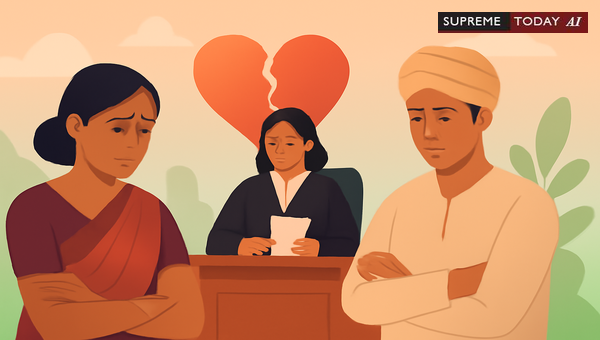
Meena Community Divorce: Rules Explained
Introduction
In India, marriage and divorce laws can vary significantly based on community, religion, and tribal status. A common question arises: whether person belonging to Meena community obtain divorce decree from ? The Meena community, recognized as a primarily in Rajasthan, follows unique that intersect with modern legal frameworks. This blog explores the legal landscape, drawing from court judgments and statutory provisions to clarify options for Meena individuals seeking marital dissolution.
Understanding these nuances is crucial, as filing under the wrong law can lead to petition dismissals. Note: This is general information based on precedents and not specific legal advice. Consult a qualified lawyer for personalized guidance.
Applicability of Hindu Marriage Act to Meena Community
The (HMA) governs divorce for Hindus, but Section 2(2) explicitly excludes members of Scheduled Tribes unless the notifies otherwise. The Meena community falls under this exemption, as affirmed in key judgments. In one case, a trial court dismissed a husband's divorce petition under , stating: Hence, by virtue of Section 2 of sub-section (2) of HMA, the present petition filed by the petitioner seeking under HMA is not maintainable being barred by itself. 2021 0 Supreme(Del) 389
The court emphasized no notification was pleaded or produced, and customs like Panchayat decisions govern instead. Arguments about Hindu rites or customs do not override tribal status: the status of a tribe of the Meena community cannot be taken away. 2021 0 Supreme(Del) 389 Similar rulings in cases set aside HMA divorce decrees when parties belonged to excluded groups, reinforcing that HMA does not apply without notification.
SATPRAKASH MEENA vs ALKA MEENA
THE SECRETARY vs SANGEETA VARHAT - Rajasthan_Delhi_CRP-1_2021 2021_DHC_1989Customary Divorce Practices in Meena Community
For Meenas, divorce typically occurs through , not statutory decrees. A notable case involved a Meena husband seeking a based on a Panchayat resolution (Ex.1) and a (Ex.3). The framed issues on whether the marriage was dissolved per custom, but the wife challenged the documents as forged. 2017 0 Supreme(Raj) 2370
Courts require specific pleading and proof of the custom's prevalence: Prevalence of customary divorce in community to which parties belong, contrary to general law of divorce must be specifically pleaded and established by the person propounding such custom. 2004 8 Supreme 318 Without this, claims fail. Other sources highlight that are recognized for Scheduled Tribes, but applicants cannot claim benefits like 'Divorcee Female' quotas without court validation.
THE SECRETARY vs SANGEETA VARHAT
- Key Requirement: Plead custom's existence with evidence (witnesses, prior resolutions).
- Challenges: Forgery allegations or lack of proof can derail suits.
- Child Status: Customary divorce does not affect children's status. 2021 0 Supreme(Del) 389
Jurisdiction of Family Courts Over Matrimonial Disputes
Family Courts have broad jurisdiction under , over dissolution suits regardless of community. However, for Scheduled Tribes like Meenas, they apply substantive customary law, not HMA. One ruling clarifies: Candidates belonging to /Tribal Sub Plan are not precluded from obtaining decree of divorce from the competent court having jurisdiction to decide the matrimonial disputes. Exemption from presenting decree of divorce, issued by competent court cannot be sought on the ground of customs prevalent in their communities. 2022 0 Supreme(Raj) 771
Thus, Family Courts can entertain suits for declarations validating Panchayat dissolutions but cannot issue HMA decrees. This aligns with cases where courts directed Family Courts to pass divorce decrees after verifying processes, even in mutual consent scenarios outside HMA. 2022 0 Supreme(All) 733 2022 0 Supreme(Raj) 753
In maintenance disputes post-customary divorce, Family Courts retain power under or , though HMA's direct applicability is limited. For instance, courts have remanded cases for proper hearings on , ensuring opportunities for evidence. 2022 0 Supreme(Bom) 838
Exceptions, Limitations, and Related Considerations
While the general rule excludes HMA, exceptions exist:
- Notification Exception: HMA applies if notified by —no evidence for Meenas. 2021 0 Supreme(Del) 389
- Pleading Burden: Custom must be proved; mere resolutions insufficient if disputed. 2017 0 Supreme(Raj) 2370 2004 8 Supreme 318
- : Courts may consider long separations, but still under customs for tribes. 2022 0 Supreme(All) 733
- Cruelty Claims: Unsubstantiated allegations can constitute cruelty, but HMA grounds are unavailable. 2018 0 Supreme(Mad) 3754
Additional cases underscore Family Courts' role in alimony () even in , without needing separate applications if pleaded. 2020 0 Supreme(MP) 459
Practical Recommendations for Meena Couples
Meena parties should:1. Seek Panchayat dissolution first, documenting resolutions thoroughly.2. File a suit for declaration of nullity, pleading custom with evidence.3. Avoid HMA petitions to prevent dismissals.4. For maintenance or custody, approach under general matrimonial laws.
Post-dissolution disputes, like employment quotas, require court-validated divorces.
THE SECRETARY vs SANGEETA VARHAT
Conclusion and Key Takeaways
Persons from the Meena community generally cannot obtain HMA divorce decrees from Family Courts due to Section 2(2) exclusion. Customary Panchayat divorces, validated via declarations, provide the viable path. Family Courts offer jurisdiction but enforce customs over statutes.
Key Takeaways:- HMA inapplicable to Scheduled Tribes like Meenas without notification. 2021 0 Supreme(Del) 389- Prove customs specifically for recognition. 2017 0 Supreme(Raj) 2370- Seek declarations, not decrees, for efficiency.- Always document Panchayat processes meticulously.
This framework ensures legal compliance while respecting tribal traditions. For tailored advice, engage a family law expert familiar with Rajasthan jurisprudence.
#MeenaDivorce #ScheduledTribeLaw #FamilyCourtIndia












