


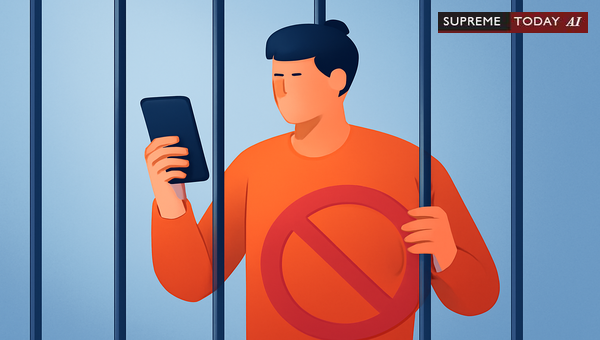
Using a Mobile Phone in Jail: Is It a Crime in India?
In today's digital age, staying connected is second nature. But what happens when an accused person in jail operates a mobile phone and even chats with their advocate? A common query arises: Ek accuse jail me mobile chalata h and apne advocate se baat bhi kar leta hai to kon sa apradh hua? (If an accused in jail uses a mobile and talks to his advocate, what offense has occurred?). This question touches on critical prison regulations designed to maintain security and discipline. While prisoners have certain rights, unauthorized mobile use is strictly prohibited. This post breaks down the legal implications, drawing from key prison laws and related cases. Note: This is general information, not specific legal advice. Consult a lawyer for your situation.
The Legal Prohibition on Mobile Phones in Prisons
Prison rules across India generally ban inmates from possessing or using mobile phones. This stems from the need to prevent security breaches, such as coordinating escapes or criminal activities. Legal documents confirm that mobile phones are treated as in jails. For instance, possession and use by prisoners is considered an offense under prison regulations.
A pivotal change came with the , which introduced . This section explicitly criminalizes the act:
Notwithstanding anything contained in this Act, if any prisoner is found guilty of possessing, operating or using a mobile phone or their component parts... he shall be punished with imprisonment for a term, not exceeding one year or with fine not exceeding Rs 25,000 or with both... 2014 0 Supreme(Raj) 89
This provision underscores that operating a mobile phone inside jail premises violates the law, regardless of intent. The focus is on upholding prison discipline and security. 2014 0 Supreme(Raj) 89
Does Talking to an Advocate Make It Legal?
One might argue that communicating with a lawyer is a under , ensuring . However, this does not extend to using unauthorized devices like personal mobiles. Even if the call is to an advocate, the act of possession and operation breaches rules. The law prioritizes controlled communication channels, such as monitored landlines or official visits. Clandestine mobile use undermines these safeguards. 2014 0 Supreme(Raj) 89
Courts have emphasized that such violations occur irrespective of the call's recipient, as they compromise jail security.
In practice, prisoners typically meet advocates in person or use jail-provided facilities, not smuggled mobiles.
Penalties and Legal Consequences
Violators face serious repercussions under :- Imprisonment: Up to 1 year.- Fine: Up to Rs. 25,000.- Or both.
These penalties apply unless special permissions are granted, which are rare and documented. The presumption is that any mobile use is illegal, leading to disciplinary action or separate criminal proceedings. 2014 0 Supreme(Raj) 89
In broader contexts, mobile misuse in jails has surfaced in high-profile incidents. For example, reports from highlight disturbances linked to unauthorized communications, including PCR calls about quarrels involving inmates. One such entry notes: NO 3 INCIDENT, CALLER BOL RHA HAI KI MERA BHAI NO 3 MEN BAND HAI... This illustrates how mobiles can fuel tensions, reinforcing the ban. 2021 0 Supreme(Del) 550
Insights from Related Cases and Sources
While direct precedents on advocate calls are limited, analogous situations reveal enforcement patterns. In probes at , investigations into extortion and communications via mobiles were flagged, with courts transferring cases to for deeper scrutiny. Evidence like bank transfers linked to prison associates underscored misuse risks. 2021 0 Supreme(Del) 550
Other records mention video calls and frequent phone use in suspicious contexts, such as: At least Maine Video Call Bhi Dekhi, Ye Video Call Pe Bhi Baat Karta Tha... 2022 Supreme(Online)(DEL) 5208 Though not jail-specific, these highlight how unchecked mobile access enables issues, paralleling prison concerns.
In a context under , video call recordings were pivotal evidence, showing the evidentiary value—and potential risks—of such communications. - ... This ties back to why jails regulate devices strictly.
Prison administrations are urged to enforce bans rigorously, prosecute under relevant sections, and educate inmates on consequences. 2014 0 Supreme(Raj) 89
Exceptions and Special Provisions
- No blanket exceptions for advocate communications via mobile; official channels must be used.
- Rare administrative approvals might exist for high-profile cases, but not indicated here.
- lists reinforce the general ban, with amendments closing loopholes.
Prisoners retain rights to legal counsel, but through regulated means to balance security.
Why the Strict Ban? Security and Discipline
Mobiles enable covert operations: tampering with evidence, witness intimidation, or external coordination. Legal texts stress preventing misuse like coordinating criminal activities or escaping detection. 2014 0 Supreme(Raj) 89 Incidents in facilities like , involving quarrels and external calls, exemplify these dangers. 2021 0 Supreme(Del) 550
Recommendations for Compliance
- For prison authorities: Conduct regular searches, use jammers, and prosecute violations.
- For inmates and families: Use official visitation or approved communication.
- Awareness: Inform about penalties to deter breaches.
Key Takeaways
- Operating a mobile in jail, even for an advocate call, typically constitutes an offense under (Punjab Amendment) and similar rules elsewhere. 2014 0 Supreme(Raj) 89
- Penalties include up to 1 year imprisonment and Rs. 25,000 fine. 2014 0 Supreme(Raj) 89
- Security trumps convenience; stick to authorized channels.
- Real cases from Tihar and beyond highlight enforcement needs. 2021 0 Supreme(Del) 550
In conclusion, while the right to counsel is vital, smuggling or using mobiles in jail breaches core regulations. This act is punishable, emphasizing discipline in India's prison system. Stay informed, comply with rules, and seek professional advice for specifics. For more on prison laws, explore our related posts.
#JailMobileBan #PrisonLawsIndia #LegalIndia












