


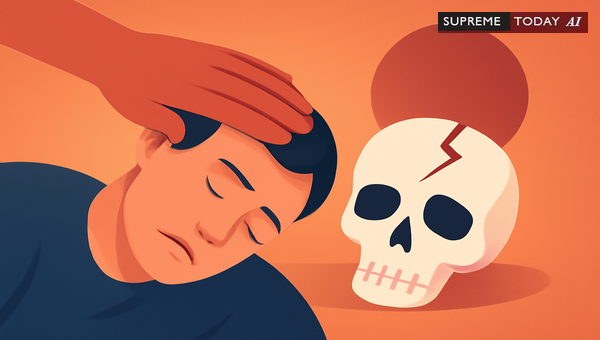
No Head Fracture: Still Liable for Murder Conviction?
In high-stakes assault cases, a common defense argument arises: if there's no skull fracture from a single blow to the head, can the accused really be convicted of murder? The question often posed is, If no Fracture Occurs in Head Due to Single Assault then Accused Cannot Convicted. This misconception persists, but have repeatedly clarified that the absence of a fracture is not a get-out-of-jail-free card. Liability hinges on broader factors like the injury's nature, location, weapon used, and the accused's intent or knowledge. This post breaks down the legal principles, key judgments, and nuances to help you understand these rulings.
Disclaimer: This is general information based on judicial precedents and not specific legal advice. Consult a qualified lawyer for your situation.
The Core Legal Principle
Under , do not require a skull fracture. Courts assess whether the injury was sufficient in the ordinary course of nature to cause death. Even a single head injury without fracture can meet this threshold if it's on a vital area and severe enough. 2009 6 Supreme 457
As one ruling states: The legal principle recognizes that even without fracture, a head injury can be sufficient to cause death if it is of a nature likely to be fatal. 1980 0 Supreme(SC) 20
The presence or absence of fracture is just one factor—not the sole determinant—alongside intent, weapon, and medical evidence. 2009 6 Supreme 457
Key Factors Courts Consider
1. Nature and Location of the Injury
Head injuries target a vital organ, making them inherently dangerous. Incised or lacerated wounds, even without fracture, can prove fatal:
The injuries on the head and face of Shivdas were incised wounds and lacerated wounds... The injury was not supported by fracture of skull bones. Despite this, the court held the injury could still cause death based on its nature. 2007 0 Supreme(Bom) 527
Another case affirms: Injuries on the head which were incised and lacerated, even without fracture, could be sufficient in the ordinary course of nature to cause death. 2009 6 Supreme 457
2. Weapon and Force Used
A forceful blow with a lathi, hammer, or stone on the head implies knowledge of potential fatality:
The accused must be attributed with the knowledge that when he used a lathi forcefully on the head of a person, he was likely to cause death. 2003 1 Supreme 342
In a appeal, the 's conversion from Section 302 to 326 IPC was overturned because merely because no fracture was found cannot take case out of when deceased died due to head injury. The weapon struck a vital part, proving fatal despite no fracture and death after six days. 2022 3 Supreme 360
3. Intent or Knowledge of the Accused
Courts infer intent from circumstances. A single blow on the head often shows knowledge it could kill:
A single blow causing a head injury, even without fracture, can suffice for a conviction under Section 302 if it is proved that the injury was sufficient in the ordinary course of nature to cause death. 2009 6 Supreme 457 2004 1 Supreme 780
Insights from Supporting Precedents
Judicial consistency reinforces this. In one case, internal injuries from a head assault led to upholding Section 302, rejecting arguments of no fracture. 2022 3 Supreme 360
However, other rulings highlight nuances:- In a stone assault case, lack of intent to kill (no dangerous weapon, spur-of-moment act) reduced charges from (attempt to murder) to 325 (), as the court found no clear for death. 2023 0 Supreme(Bom) 2208- Sudden fights without premeditation may downgrade to not amounting to murder (), even with head blows, if not on vital parts excessively. 2024 0 Supreme(Jhk) 85- Medical evidence must link assault to death; doubts in causation (e.g., medical negligence or fall) can acquit or reduce charges. One case acquitted due to unreliable evidence and possible non-assault causes, noting no fracture on head and therefore, deceased could not have died due to assault but, died due to medical negligence. 2021 0 Supreme(Bom) 721- Benefit of doubt applies if evidence allows two views: The principle of requires that if two interpretations of evidence are possible, the one favoring the accused must prevail. 2024 0 Supreme(Cal) 1106
These cases show courts weigh the full picture, not just fracture absence.
Exceptions and Defense Strategies
While no fracture doesn't automatically absolve, prosecutions must prove fatality likelihood. Defenses succeed if:- Medical evidence shows minor injury unlikely to kill. 2018 0 Supreme(Bom) 2394- No intent proven, e.g., lathi blows in sudden quarrel without deadly force. 2024 0 Supreme(Cal) 489- Unreliable witnesses or causation gaps exist. 2018 0 Supreme(Bom) 2394
Recommendations:- Prosecution: Emphasize injury nature, vital location, and accused knowledge. 2004 1 Supreme 780- Defense: Highlight medical reports on non-fracture, minor wounds, or alternative death causes.- Courts: Avoid over-relying on fracture; consider holistic evidence.
Key Takeaways
- No Automatic Absolution: Absence of head fracture from a single assault doesn't prevent Section 302 conviction if injury likely causes death ordinarily. 1980 0 Supreme(SC) 20 2009 6 Supreme 457
- Holistic Assessment: Injury type, head location, weapon, and intent/knowledge are pivotal.
- Precedent Strength: and High Courts uphold murder liability sans fracture when facts align. 2022 3 Supreme 360
In conclusion, the law prioritizes injury severity over fracture presence. Cases turn on evidence quality, not a single medical finding. For personalized guidance, seek expert legal counsel.
References:1. 1980 0 Supreme(SC) 20 - Head injuries without fracture can be fatal.2. 2009 6 Supreme 457 - Vital part injuries suffice for Section 302.3. 2004 1 Supreme 780 - Single blow on head can convict.4. Additional cases like 2022 3 Supreme 360, 2023 0 Supreme(Bom) 2208, etc., provide context.
#IPC302 #MurderConviction #HeadInjuryLaw












