


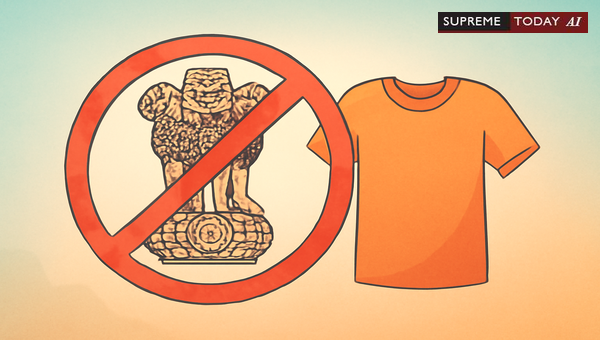
Is Using India's National Emblem on Clothing Illegal?
In an era where branding and patriotism often intersect, many businesses and individuals are tempted to incorporate national symbols like India's National Emblem into their products. Imagine launching a line of patriotic apparel featuring the iconic Lion Capital of Ashoka—sounds appealing, right? But what if a complaint arises alleging misuse for commercial gain? This brings us to a critical legal question: Complaint against Using National Emblem on Clothing Made for Commercial Purpose.
This blog post explores the legal boundaries, relevant statutes, case precedents, and practical recommendations. While this information is for educational purposes and generally reflects Indian law, it is not a substitute for professional legal advice. Always consult a qualified attorney for your specific situation.
Understanding the Legal Framework
India has stringent laws to safeguard national symbols from exploitation. The primary legislations prohibiting the improper use of the National Emblem are:
This foundational law explicitly bans the use of specified names or emblems—including the National Emblem—for trade, business, calling, profession, or commercial purposes without prior permission. Section 3 covers not just direct use but also any of such emblems 2009 0 Supreme(Kar) 664 2003 0 Supreme(AP) 606.
The Act's core objective is to prevent the unauthorized use of national symbols, including the National Emblem, to protect national sentiments and integrity 1975 0 Supreme(SC) 136. Using the emblem on clothing sold commercially falls squarely under this prohibition, as it suggests endorsement or exploits national pride for profit.
Building on the Act, this modern statute reinforces the ban. It states: 10. The is an Act to prohibit the improper use of State Emblem of India for professional and commercial purpose and for matters connected therewith or incidental thereto2021 0 Supreme(Ker) 1001.
Section 3 clearly prohibits the National Emblem's use for any trade or business without prior approval 2019 0 Supreme(UK) 175 2019 0 Supreme(Ker) 999 2020 0 Supreme(MP) 1206. Together, these laws ensure the emblem's sanctity, preventing public deception about government affiliation 2025 0 Supreme(Pat) 609 2022 0 Supreme(Ker) 375 2022 Supreme(Online)(KER) 13331 2021 0 Supreme(Ker) 1098 2021 Supreme(Online)(KER) 16406.
Real-World Misuse and Enforcement
Misuse of the National Emblem is not uncommon. Many individuals, ex-legislators, and private entities have incorporated it on letterheads, clothing, or merchandise without authorization, often implying official patronage. Such actions undermine national dignity and trigger complaints 2022 0 Supreme(Mad) 458 2025 0 Supreme(Pat) 609 2025 Supreme(Online)(Kar) 32388 2023 0 Supreme(Tri) 65 2022 0 Supreme(Ker) 375 2022 Supreme(Online)(KER) 13331 2021 0 Supreme(Ker) 1098 2021 Supreme(Online)(KER) 16406 2023 6 Supreme 317 2025 Supreme(Online)(Mad) 16510.
Courts and authorities have enforced these laws rigorously:- Specific Cases: Police have acted on complaints involving emblems on commercial clothing or unauthorized letterheads by ex-officials. Courts have ruled such uses illegal, emphasizing misrepresentation 2022 0 Supreme(Mad) 458 2023 0 Supreme(Tri) 65 2025 Supreme(Online)(Mad) 16510.- Violations typically lead to penalties, including fines and potential criminal proceedings 2015 0 Supreme(Del) 446 2019 0 Supreme(Ker) 999.
Landmark Case Law
Judicial interpretations further clarify the risks. In , the held that national symbols must be viewed through a common sense perspective. Any portrayal disrespecting them—such as embedding the emblem on torn or inappropriately used clothing—can be deemed obscene and against societal ethics 2020 0 Supreme(MP) 1206.
This ruling underscores that even non-commercial contexts require sensitivity, let alone profit-driven uses like apparel sales.
Key Findings: Why It's Prohibited
- Strict Prohibition: Both the and Acts ban commercial use on clothing without permission 2015 0 Supreme(Del) 446 2019 0 Supreme(Ker) 999.
- Disrespectful Portrayal: Torn, stylized, or casual embedding on garments constitutes obscenity and disrespect 2020 0 Supreme(MP) 1206.
- Public Misleading: Such use may imply government endorsement, eroding public trust 2025 0 Supreme(Pat) 609.
- Penalties: Offenders face legal action, including fines and injunctions.
Laws aim to prevent misleading the public and protect the emblem's sanctity, making unauthorized clothing lines a clear violation 2022 0 Supreme(Ker) 375 2022 Supreme(Online)(KER) 13331.
Practical Recommendations for Compliance
If you're a business owner or designer eyeing patriotic themes:- Cease Immediately: Stop producing or selling emblem-adorned clothing until permissions are secured 2019 0 Supreme(Ker) 999.- Seek Approval: Apply to the for exceptions—rarely granted for commercial items.- Audit Materials: Review all marketing to ensure compliance with both Acts.- Alternatives: Use generic patriotic motifs that don't mimic protected emblems.- Consult Experts: Engage legal counsel to navigate applications or defenses.
Proactive steps mitigate risks, as enforcement often follows public complaints.
Conclusion and Key Takeaways
Using India's National Emblem on clothing for commercial purposes is generally prohibited under the , and the . These laws protect national symbols from exploitation, with courts upholding penalties for violations.
Key Takeaways:- Unauthorized use invites complaints, police action, and fines.- Permission is mandatory and seldom given for trade.- Respect symbols through compliance, not commercialization.
Disclaimer: This post provides general insights based on statutes and cases. Laws evolve, and outcomes depend on facts. Seek tailored advice from a lawyer.
Stay informed, design responsibly, and uphold India's pride. Share your thoughts below!
#NationalEmblemLaw, #IndianEmblemsAct, #CommercialUseBan















