


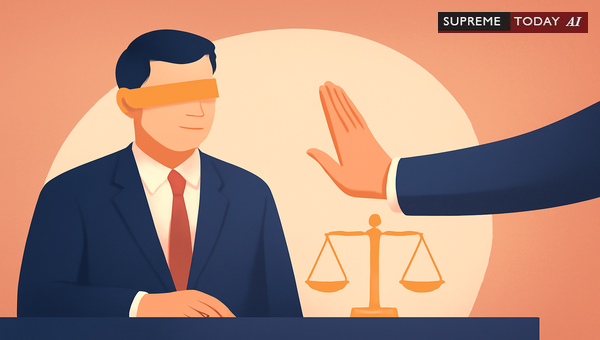
: Upholding
In the realm of law, few principles are as foundational as the maxim . Known in Latin as , this doctrine is a pillar of , designed to safeguard impartiality in judicial and proceedings. But what does this mean in practice? Imagine a scenario where a party to a dispute also presides over its resolution—such a conflict undermines trust in the legal system. This blog delves into the essence of this principle, its applications, exceptions, and real-world illustrations from Indian case law.
Whether you're a litigant, legal professional, or simply curious about fairness in justice, understanding this maxim is crucial. Note that this article provides general insights and is not a substitute for professional legal advice—consult a qualified lawyer for specific cases.
Understanding the Core Principle
The question at the heart of this discussion is straightforward: . This legal maxim translates to no one should be a judge in his own cause, emphasizing that a person cannot serve as both a party and a judge in the same matter 2021 0 Supreme(Ori) 366 1987 0 Supreme(Raj) 796. It ensures that decision-makers remain unbiased, preventing any financial, proprietary, or personal interest from influencing outcomes.
Key Elements of
- : A judge with a financial or proprietary interest in the case is automatically disqualified 2023 0 Supreme(Telangana) 200.
- Broader Impartiality Concerns: Even without direct involvement, any relationship or conduct suggesting bias can lead to 2023 0 Supreme(Telangana) 200 2020 0 Supreme(Kar) 585.
This principle extends beyond courts to bodies, such as administrative tribunals or customary courts, where fairness must prevail.
Applications in Judicial and Settings
The maxim's reach is wide, applying rigorously in various contexts to maintain public confidence in justice delivery.
Judicial Proceedings
In traditional courts, the rule mandates strict separation. The has repeatedly affirmed this, holding that no one can be both a party and a judge in their own cause 2020 0 Supreme(Guj) 518 2016 0 Supreme(Del) 2678. For instance, in contractual disputes, parties cannot act as arbitrators; an independent tribunal is essential 2016 0 Supreme(Del) 2678
.
and Customary Forums
authorities face similar scrutiny. If an authority has previously decided a matter, it cannot hear appeals on it 2020 0 Supreme(Kar) 585. A compelling example arises in customary proceedings. In a case involving a Kebang Notice under the , the court quashed proceedings because respondent No. 6 was a party in both a pending Title Suit and the Kebang, violating Section 17(1) and : the respondent No. 6 is a party in the Title Suit pending before the Court of learned ... which is in total violation of the principle of 2023 0 Supreme(Gau) 716. The doctrine of () further barred parallel proceedings on the same land dispute.
Possession and Disputes
The principle also prevents self-judgment in possession matters. Courts have ruled: It will not permit any person to take the law in his own hands and to dispossess a person in actual possession without having recourse to a court. No person can be allowed to become a judge in his own cause
2021 0 Supreme(All) 824 2018 0 Supreme(MP) 216 2018 0 Supreme(MP) 355. In one injunction case, an unregistered gift deed failed to prove possession, reinforcing that owners cannot dispossess without due process
. Similarly, in old age home eviction suits, courts upheld injunctions against , stressing equitable remedies 2021 0 Supreme(All) 824.
Case Law Illustrations from Indian Courts
Indian jurisprudence richly supports this maxim:
- Supreme Court Reinforcement: Consistent judgments underscore its role in 2020 0 Supreme(Guj) 518 2016 0 Supreme(Del) 2678.
- Election and Party Disputes: In political faction suits, courts rejected amendments altering causes where leadership claims conflicted with impartiality 2023 0 Supreme(Mad) 3210.
- Contexts: Parties cannot unilaterally encash securities without adjudication; disputes must go to arbitral tribunals 2018 0 Supreme(Jhk) 404.
- Intervention Petitions: Trial courts must provide reasoned orders for interventions to avoid bias perceptions 2024 0 Supreme(Pat) 809.
- Criminal and Land Disputes: In acquittals over land clashes, failure to explain accused injuries led to private defense rights, implicitly upholding no self-judging 2018 0 Supreme(MP) 216.
These cases demonstrate the maxim's versatility, from civil suits to criminal appeals.
Exceptions and Limitations
While robust, the principle isn't absolute and hinges on facts:- No Personal Interest: An officer named as authority without prior involvement or stake may proceed 2006 5 Supreme 857.- Factual Inquiries: Courts assess specific circumstances before disqualifying 2006 5 Supreme 857.
In or contracts, stipulated forums can resolve preliminary issues, but core bias remains prohibited 2018 0 Supreme(Jhk) 404. Always, the touchstone is reasonable apprehension of bias.
Why This Principle Matters Today
In an era of complex disputes— from commercial arbitrations to customary laws— Nemo Judex preserves judicial integrity. It fosters public trust, as biased decisions erode faith in institutions. Legal practitioners should:- Assess Bias Risks: Scrutinize appointments for conflicts.- Seek Independent Review: Advocate for fresh adjudicators in tainted matters.- Educate Stakeholders: Highlight rights to impartial hearings.
Key Takeaways
- bars parties from judging their causes, ensuring 2021 0 Supreme(Ori) 366 1987 0 Supreme(Raj) 796.
- Applies to judges, bodies, and prevents 2023 0 Supreme(Telangana) 200 2023 0 Supreme(Gau) 716.
- Supported by Supreme Court and high court precedents 2020 0 Supreme(Guj) 518.
- Exceptions require factual proof of no bias 2006 5 Supreme 857.
This maxim remains a cornerstone of fairness. For tailored advice, reach out to a legal expert. Stay informed, stay just.
References: 2023 0 Supreme(Telangana) 200 2021 0 Supreme(Ori) 366 2020 0 Supreme(Kar) 585 2020 0 Supreme(Guj) 518 2006 5 Supreme 857 2016 0 Supreme(Del) 2678
1987 0 Supreme(Raj) 796 2023 0 Supreme(Gau) 716
2021 0 Supreme(All) 824 2018 0 Supreme(Jhk) 404 2018 0 Supreme(MP) 216 2018 0 Supreme(MP) 355 #NaturalJustice, #NemoJudex, #JudicialBias















