


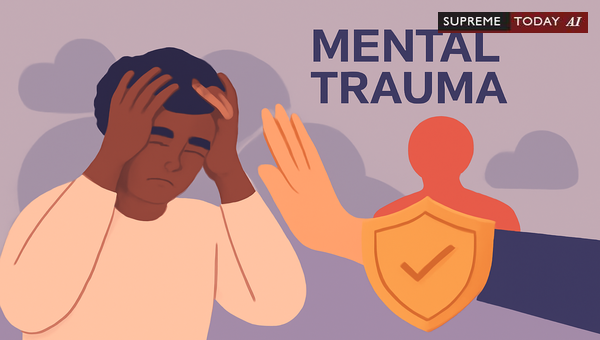
Proving Mental Trauma from Humiliation in Compensation Cases
In today's society, incidents of humiliation can lead to severe mental trauma, prompting victims to seek compensation through legal channels. But how do courts determine if such trauma warrants compensation? The question arises: How Mental Trauma Caused by Humiliation is Proved in a Case for Compensation for Humiliation? This blog post delves into recent Indian court rulings, emphasizing that proof hinges on specific motivations, particularly caste-based grounds under laws like the (). We'll explore key legal findings, exceptions, and practical recommendations while integrating insights from reservation policy cases. Note: This is general information and not specific legal advice; consult a qualified lawyer for your situation.
The Core Legal Test: Caste Motivation is Key
Recent and decisions stress that for humiliation to qualify as an offense eligible for compensation—especially involving mental trauma—it must be rooted in caste or caste-based grounds. Mere insults or intimidation without this link do not trigger protections under anti-discrimination or reservation laws. Courts have clarified: all insults or intimidations to a member of Scheduled Caste or Scheduled Tribe will not amount to an offence under Act, 1989 unless such insult or intimidation is on the ground that victim belongs to Scheduled Caste or Scheduled Tribe 2024 6 Supreme 321.
This principle ensures laws target genuine caste-based atrocities, preventing misuse for personal disputes. For mental trauma claims, plaintiffs must demonstrate:- Direct link to caste identity: Evidence like caste slurs, references to Scheduled Caste (SC), Scheduled Tribe (ST), or Other Backward Classes (OBC) status in the humiliating act.- Impact on mental health: Medical certificates, psychological evaluations, or witness testimonies showing trauma such as anxiety, depression, or PTSD stemming from the incident.
Without caste motivation, claims falter, as seen in cases where videos or statements lacked caste references, leading courts to deny offenses under the 2024 6 Supreme 321.
Detailed Analysis of Landmark Rulings
Caste-Based Humiliation Under
applies only when acts promote ill feeling or enmity against members of scheduled castes or scheduled tribes as a group and not as individuals 2024 6 Supreme 321. In one case, a video targeting an individual was scrutinized: the transcript of uploaded video has nothing to indicate even that those allegations were made by appellant only on account of fact that complainant belongs to a Scheduled Caste 2024 6 Supreme 321. The court granted , ruling no caste-based offense occurred.
For compensation involving mental trauma, proof requires:- Contextual evidence: Audio, video, or documents explicitly tying humiliation to caste.- Victim's testimony: Corroborated by independent witnesses or digital footprints.- Expert assessment: Psychiatric reports quantifying trauma severity.
Personal Enmity vs. Caste Discrimination
Acts driven by personal vendetta do not qualify. Courts distinguish: humiliation from professional rivalry, family disputes, or unrelated grudges lacks the caste nexus needed for invocation or compensation under anti-discrimination provisions 2024 6 Supreme 321. Similarly, selection process rejections based on procedural issues (e.g., invalid certificates) aren't deemed caste discrimination unless proven otherwise 2009 0 Supreme(Pat) 1344.
The Role of Exclusion in Reservation Claims
Compensation claims often intersect with reservation benefits, where mental trauma from alleged discriminatory denial arises. Courts mandate excluding the —advanced sections within backward classes—from benefits to aid truly disadvantaged groups. The exclusion of the is a basic feature of the and any law that fails to exclude the is unconstitutional, violating and 16 1999 0 Supreme(SC) 1499.
Recent cases reinforce this, focusing on (NCL) / certificates. Petitioners must provide the latest NCL certificates at document verification, not just application stage. For instance:- Certificates dated close to verification (e.g., Annex.7 dated ) are retained as 'latest'
.- The term 'latest' applies to verification time, emphasizing cut-off dates per judgments like Gaurav Sharma and Raj Kumar Mahto
.- Failure to produce updated certificates leads to rejection, but not automatically caste discrimination if procedural
.
These rulings prevent members from claiming trauma-based compensation for reservation denials, preserving equity.
Exceptions and Limitations
While strict, exceptions exist:- Caste-motivated acts: Punishable if aimed at group enmity or individual caste insult 2024 6 Supreme 321.- Procedural discrimination: Mere caste mention without bias doesn't violate 2009 0 Supreme(Pat) 1344.- Reservation lapses: Outdated NCL certificates invalidate claims, but updated ones align with rules
.
Practical Recommendations for Victims and Lawyers
To build a strong case for mental trauma compensation:- Gather caste-specific evidence immediately—record statements, preserve digital media.- Secure medical proof of trauma via professionals.- Verify status with latest NCL certificates for reservation-linked claims
.- Evaluate motivation: Distinguish personal enmity from caste bias to avoid dismissals.- Authorities' role: Probe for caste links before charges.
Legal practitioners should scrutinize facts to prevent law misuse, ensuring justice for genuine victims.
Key Takeaways and Conclusion
Proving mental trauma from humiliation for compensation generally requires demonstrating caste-based motivation, as non-caste acts fall outside protections 2024 6 Supreme 321. The exclusion remains constitutional bedrock, with latest certificates crucial in reservation disputes 1999 0 Supreme(SC) 1499
. Courts prioritize truly backward classes, dismissing personal enmity claims.
In summary, successful claims blend evidentiary rigor—caste nexus, trauma documentation—with procedural compliance. Stay informed on evolving rulings to navigate these complexities. For personalized guidance, reach out to a legal expert.
References:1. 2024 6 Supreme 321: requires caste motivation.2. 1999 0 Supreme(SC) 1499: exclusion is constitutional.3. 2009 0 Supreme(Pat) 1344: Procedural rejections not discrimination.4. Various Rajasthan HC cases on NCL certificates (e.g.,
,
). #MentalTraumaLaw #HumiliationClaims #SCSTAct












