


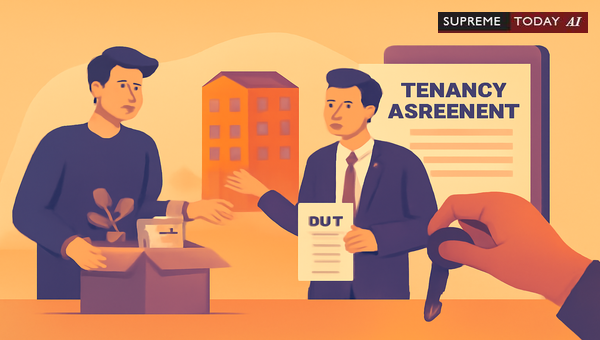
Can Tenants Reclaim Items After Unpaid Rent in Malaysia?
Imagine packing up in a rush after falling behind on rent, only to realize you've left valuables behind. Can you just show up at your former rental property in Malaysia to grab them? This is a common dilemma for tenants facing financial strain. In this post, we dive into Malaysian tenancy law to answer: In Malaysia, in the event a tenant has failed to pay the rental and has exited the property, can he come and recollect his item which he has left?
We'll explore legal principles, key cases, and practical advice. Note: This is general information based on available legal documents and is not specific legal advice. Consult a qualified lawyer for your situation.
Main Legal Finding: Limited Rights for Defaulting Tenants
Based on reviewed legal documents, there is no explicit statutory right allowing a tenant who has defaulted on rent and vacated the property to unilaterally re-enter and reclaim left-behind items. Once a tenant exits—especially after non-payment—their access is typically at the or requires following specific legal procedures. 2011 0 Supreme(SC) 1441
General principles from eviction and default cases emphasize that landlords gain stronger control over the premises and any abandoned goods. Tenants' entitlements are limited, and automatic re-entry is not supported. 1981 0 Supreme(SC) 201
Key Points from Legal Analysis
- No direct statutory provision grants post-vacation item recovery rights after rent default.
- Courts recognize landlords' authority to retain or dispose of items, subject to notices or orders.
- Tenants may need court applications to reclaim belongings.
Detailed Legal Principles and Case Insights
Absence of Statutory Rights for Re-Entry
Malaysian documents lack a clear law permitting tenants to return post-default. Principles focus on eviction for non-payment rather than item retrieval. For instance, in cases of rent arrears, prioritize possession delivery to landlords. 2023 0 Supreme(Mad) 3246 states: The respondent failed to pay rent properly and he was in arrears, hence, the appellant issued a notice dated terminating the tenancy... and sought for .
This underscores that vacating tenants forfeit easy access, as landlords can enforce possession.
Landlord's Rights Over Abandoned Items
Landlords often hold rights to handle left items after default. In 2011 0 Supreme(SC) 1441, the court discusses rights and obligations related to , , and the over items left in the premises. It implies disposal or retention is possible if tenants don't follow procedures.
Similarly,
notes tenants' failure to meet obligations: the plaintiffs have failed to fulfill their contractual obligations to pay the monthly rental on time as per the terms of the Tenancy Agreement. Post-default, landlords may treat items as abandoned, especially without formal requests.
Tenant's Limitations Post-Vacation
Once exited, tenants aren't automatically occupiers under laws like Section 7(2) of the , limiting recovery claims. Courts may allow retrieval if it doesn't disturb possession, but unilateral entry risks . 1981 0 Supreme(SC) 201 addresses issues of denial of title and possession but does not establish a tenant’s right to retrieve personal items left in the property after vacating.
From other cases, like
, rent non-payment leads to disputes: the Defendant had failed to pay rentals... Landlords can demand for , further complicating access.
Exceptions and Potential Avenues for Recovery
While rights are limited, exceptions exist:- Tenancy Agreement Clauses: If the agreement specifies item reclamation timelines, it governs.- Ongoing Occupancy Status: If not fully evicted (e.g., no court order), tenants might negotiate access. Summary insights suggest courts favor personal item recovery if procedures are followed and occupancy lingers.
- or Disputes: Cases like
discuss rent payment conditions: The Tenant shall pay the Landlord within the rental owing... but don't override default rules.
Tenants could file claims, but success depends on circumstances. Voluntary vacation weakens positions versus forced eviction.
Practical Considerations and Recommendations
For Tenants
- Request in Writing: Before or immediately after vacating, formally ask for access. Arrange supervised collection to avoid disputes.
- Seek Legal Help: Apply to court if denied. Prove item ownership to strengthen claims 2011 0 Supreme(SC) 1441.
- Act Quickly: Landlords may dispose of items after reasonable notice.
For Landlords
- Issue Notices: Specify a deadline for reclamation, e.g., , then follow disposal laws.
- Document Everything: Photos, inventories protect against claims.
- Avoid Self-Help: Don't dispose without procedures to prevent lawsuits.
In agency fee cases like
, failures to pay lead to broader disputes: the defendant to pay the plaintiff the agreed commission. Similar diligence applies to items.
Integrating Broader Malaysian Tenancy Context
Compulsory acquisitions or renewals (
,
) highlight tenant protections in non-default scenarios, but unpaid rent shifts leverage to landlords. Courts balance rights, often allowing item retrieval without breaching orders, per general principles.
Unrelated cases like 2015 4 Supreme 96 on wills remind that evidence matters: tenants need proof for claims.
Conclusion and Key Takeaways
In Malaysia, tenants who fail to pay rent and exit generally cannot unilaterally recollect items without landlord consent or legal steps. Rights are limited post-default, prioritizing landlord possession. Always check your tenancy agreement and consult professionals.
Key Takeaways:- No automatic re-entry right; seek permission formally. 2011 0 Supreme(SC) 1441- Landlords can retain/dispose after notice. 1981 0 Supreme(SC) 201- Courts may allow supervised recovery if not fully evicted.- Prevent issues: Communicate early, document requests.
For tailored advice, contact a Malaysian tenancy lawyer. Stay informed on updates to rental laws.
References:1. 2011 0 Supreme(SC) 1441: Eviction, default, landlord item rights.2. 1981 0 Supreme(SC) 201: Possession denial post-vacation.3.
: Rent default obligations.4. 2023 0 Supreme(Mad) 3246: Termination for arrears. #MalaysiaTenantLaw, #UnpaidRentRights, #LandlordTenantMY















