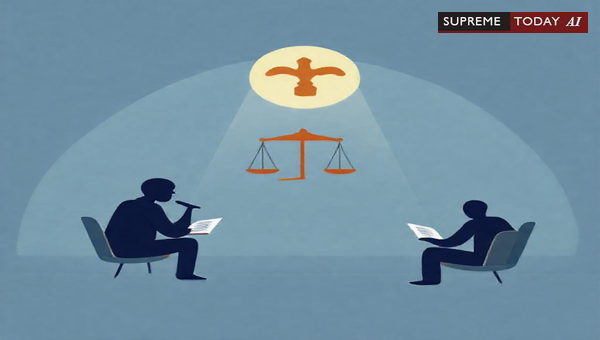
Second Recall Application: Maintainable in Criminal Trial?
In criminal trials, ensuring a fair trial is paramount, but repeated attempts to recall witnesses can raise questions about strategy versus necessity. A common query among litigants is the maintainability of a second recall application under Section 311 of the CrPC during a criminal trial. This provision empowers courts to summon, recall, or re-examine witnesses if their evidence is essential for a just decision. However, filing a second recall application often faces scrutiny, as courts guard against abuse of process, delays, and filling prosecution lacunae. This post examines the legal framework, judicial precedents, and practical considerations based on key rulings.
Understanding Section 311 CrPC: Power to Recall Witnesses
Section 311 of the Code of Criminal Procedure (CrPC), 1973 grants wide discretionary powers to trial courts. It states:
Any Court may, at any stage of any inquiry, trial or other proceeding under this Code, summon any person as a witness, or examine any person in attendance, though not summoned as a witness, or recall and re-examine any person already examined; and the Court shall summon and examine or recall and re-examine any such person if his evidence appears to it to be essential to the just decision of the case. 2023 0 Supreme(HP) 435
This power aims to discover truth and prevent miscarriage of justice. However, it is not absolute. Courts exercise it judiciously, balancing the accused's right to a fair trial with the prosecution's case and trial efficiency. Typically, a first recall application may be allowed if new evidence emerges or cross-examination was inadequate. But a second recall demands stronger justification.
Key Principles for Recall Applications
- Essentiality Test: Evidence must be essential for just decision, not merely desirable. Mere desire to re-cross-examine isn't enough. 2024 0 Supreme(Cal) 247
- No Lacuna Filling: Recall cannot patch holes in the prosecution or defense case post-cross-examination. 2023 0 Supreme(Mad) 3150
- Timeliness: Applications filed after delay (e.g., months after evidence closure) are suspect. 2023 0 Supreme(Chh) 166
- Specific Grounds: Vague claims like fair trial without details fail. Tangible reasons, such as new documents or counsel lapses, are required. 2026 Supreme(Online)(Del) 102
Maintainability of Second Recall Applications
Courts consistently hold that second recall applications are not maintainable as a matter of routine. They risk prolonging trials and harassing witnesses. Here's why:
1. Doctrine of Finality and Abuse of Process
Repeated recalls undermine judicial finality. In one case, a second application under Section 311 was dismissed as it challenged an earlier review-like order, violating finality principles. The court noted:
second review petition not maintainable -- held further -- petitioner filed present second review petition challenging order passed in earlier review petition arising out of writ appeal -- such review petition would be against doctrine of finality. 2024 0 Supreme(MP) 74
Analogously, second recalls face similar bars unless exceptional circumstances exist.
2. Judicial Precedents on Rejection
- Ratanlal v. Prahlad Jat (2017): Overturning a High Court order allowing recall, the Supreme Court held mere fair trial assertions insufficient without showing prejudice. 2024 0 Supreme(Cal) 247
- Vinod Kumar Case: Trial delayed 11 months post-cross-examination; recall rejected as dilatory. 2023 0 Supreme(Chh) 166
- Acid Attack Trial: Even vital medical witnesses weren't recalled without fresh grounds post-closure. 2018 Supreme(Online)(Ker) 76902
In Nahar Singh Yadav v. Union of India, powers under Section 311 must be used cautiously. A second attempt, especially after prior denial, signals misuse. 2024 0 Supreme(Mad) 80
3. When Second Recall May Be Allowed
Rarely, courts permit if:- Newly Discovered Evidence: E.g., second postmortem report unknown earlier. But even then, specifics must be pleaded. 2023 0 Supreme(Mad) 3150- Procedural Lapses: Inadequate prior cross-examination due to counsel error, proven with details. 2026 Supreme(Online)(Mad) 669- Custodia Legis or Fairness: Property in court custody or bias apprehension. But post-four-year examination, parity doesn't apply. 2024 0 Supreme(Mad) 80
In a POCSO case, recall was allowed for essential victim evidence overlooked initially, emphasizing judicial duty. 2023 0 Supreme(HP) 435
Challenges in Criminal Trials: Delay and Prejudice
Criminal trials often involve Section 138 NI Act, rape, or corruption cases where recalls are sought. Courts reject if:- Application lacks details on what to confront (e.g., specific affidavit portions). 2024 0 Supreme(P&H) 375- Filed post-argument stage without urgency. 2023 0 Supreme(Mad) 3150
High Courts uphold trial rejections, directing expeditious disposal. E.g., in a 2020 special case, vague post-2024 examination recall was denied. 2026 Supreme(Online)(Mad) 669
Checklist for Filing Recall Applications
To assess maintainability:1. Specify Prejudice: How did prior cross-examination fail? Provide transcript references.2. New Material: Attach documents obtained post-examination.3. No Prior Opportunity: Explain why not raised earlier.4. Just Decision Impact: Link to case outcome.5. Avoid Repetition: Differentiate from first application.
Failure invites dismissal with costs.
Interplay with Reviews and Revisions
Second recalls akin to second reviews are barred. In A.R. Antulay, the Supreme Court corrected errors via inherent powers but stressed procedural discipline. Repeated challenges erode confidence. 1988 0 Supreme(SC) 337
Under Section 397(2) CrPC, revisions on interlocutory recall orders have limits. Magistrate rejections upheld if reasoned. 2024 0 Supreme(Guj) 459
Key Takeaways for Litigants and Lawyers
- First Recall: Often liberal if justified.
- Second Recall: Rarely maintainable; prove exceptional need.
- Court's Duty: Ensure truth-discovery without harassment.
- Strategic Advice: Exhaust cross-examination diligently; appeals lie limitedly.
In summary, while Section 311 promotes justice, second recall applications in criminal trials are generally not maintainable without compelling, specific grounds. Courts prioritize expeditious trials, rejecting dilatory tactics.
Disclaimer: This post provides general information based on judicial trends and is not legal advice. Legal outcomes vary by facts; consult a qualified lawyer for case-specific guidance. Laws and interpretations evolve; verify with current statutes and precedents.
*