




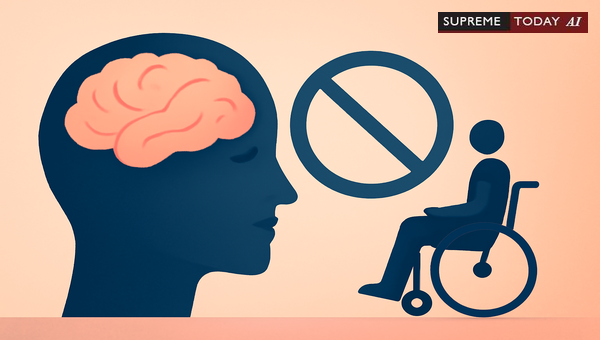
: Navigating and in
In the Indian criminal justice system, ensuring for all accused persons is paramount, especially when mental health or physical disabilities come into play. A common query arises: Locomotive Disability and Sec 328 Crpc—how does Section 328 of the Code of Criminal Procedure (CrPC) address these issues? This provision plays a crucial role in inquiries involving persons of unsound mind or suffering from , but its application requires careful distinction from physical disabilities like locomotor issues.
This blog post provides a comprehensive overview of , drawing from legal definitions, judicial precedents, and related statutes. Note: This is general information and not specific legal advice. Consult a qualified lawyer for personalized guidance.
Understanding the Scope of
establishes a procedural framework for assessing the mental capacity of an accused during , excluding full trials. It applies when there's suspicion of or , mandating an inquiry to evaluate if the person can understand the proceedings or make a defense 2020 0 Supreme(Mad) 594.
The section ensures by halting proceedings if incapacity is found, potentially leading to or alternative measures 2011 0 Supreme(Ker) 1013. Courts emphasize conducting these inquiries promptly to protect the rights of vulnerable individuals 2011 0 Supreme(Ker) 1013 2024 0 Supreme(Cal) 1036 2022 0 Supreme(Chh) 150.
Key aspects include:- Inquiry Trigger: Raised by the court, prosecution, or defense when mental fitness is doubted.- Medical Assessment: Involvement of psychiatrists or experts to gauge comprehension and defense capability 2020 0 Supreme(Mad) 594 2011 0 Supreme(Ker) 1013.- Outcome: If unfit, proceedings may be postponed or the accused discharged
Nanhu @ Ghanshyam Patel VS State of M. P. - (2019)
.Distinguishing from
isn't explicitly defined in the Indian Penal Code (IPC) or CrPC but links to or retardation 2020 0 Supreme(Mad) 594 2016 0 Supreme(Del) 4216. Modern laws provide clarity:
- Mental Health Act, 1987: Defines a mentally ill person as one needing treatment for mental disorder other than 2020 0 Supreme(Mad) 594.
- Persons with Disabilities Act, 1995: Separates the two:
- : Arrested or incomplete development of the mind characterized by 2020 0 Supreme(Telangana) 141.
- : Any mental disorder excluding retardation 2020 0 Supreme(Telangana) 141.
This distinction is vital, as often stems from developmental issues, impacting legal capacity differently than episodic mental illnesses 2011 0 Supreme(Ker) 1013. The National Trust for Welfare of Persons with Autism, Cerebral Palsy, and Multiple Disabilities Act, 1999, further supports welfare, noting objectives like equal opportunities and rights protection for those with 2017 0 Supreme(Bom) 449.
in Criminal Contexts
While primarily targets mental conditions, locomotor (or locomotive) disability—impairing mobility, such as inability to walk—may intersect in broader disability considerations during proceedings. For instance, in employment-related cases post-injury, courts assess functional impacts, like reassigning duties when lower limbs are affected but upper body functions normally 2014 0 Supreme(Jhk) 993.
However, doesn't directly trigger Section 328 inquiries, as it doesn't affect mental capacity to stand trial. Instead, accommodations under disability laws (e.g., ramp access, assistive devices) ensure participation. Sources clarify no direct link between and procedures, which focus on cognitive fitness 2022 0 Supreme(Bom) 2040 2017 0 Supreme(Bom) 449.
In criminal cases, physical disabilities might influence bail or custody conditions under related CrPC provisions, but remains the core for Section 328
PRESENT The Hon`ble Mr Justice A.A. NAKKIRAN -
.Judicial Approach and Key Case Law Insights
Indian courts adopt a nuanced stance: doesn't automatically exempt but warrants inquiry 2011 0 Supreme(Ker) 1013 2024 0 Supreme(Cal) 1036.
- Capacity Assessment: Courts probe if the condition impairs understanding of charges or defense formulation 2011 0 Supreme(Ker) 1013 2022 0 Supreme(Chh) 150.
- Detailed Inquiry Mandate: Upon suspicion, thorough evaluation under Section 328 is required, potentially leading to special measures 2011 0 Supreme(Ker) 1013
Nanhu @ Ghanshyam Patel VS State of M. P. - (2019)
.
Note the distinction from , which punishes causing hurt by poison or substances—a substantive offense unrelated to disabilities 2022 0 Supreme(Bom) 2040 2022 0 Supreme(Bom) 2054
. Bail petitions often invoke procedural CrPC sections alongside IPC charges, but mental fitness inquiries stand apart
PRESENT The Hon`ble Mr Justice A.A. NAKKIRAN -
.Judgments stress balancing fair trial rights with mental health status, ensuring no prejudice to the accused 2022 0 Supreme(Chh) 150.
Practical Application in
When or unsound mind is suspected:1. Initiate Inquiry: Court orders medical/psychiatric evaluation 2020 0 Supreme(Mad) 594.2. Evaluate Extent: Assess impact on trial participation 2011 0 Supreme(Ker) 1013.3. Decide Measures: if permanent incapacity; resume if temporary
Nanhu @ Ghanshyam Patel VS State of M. P. - (2019)
.For , focus shifts to accessibility, not mental fitness. Legal practitioners should:- File applications for Section 328 inquiries early.- Leverage disability statutes for holistic support.- Distinguish from unrelated IPC Section 328 cases involving substances 2023 0 Supreme(Bom) 1098.
Key Takeaways and Recommendations
- applies to and unsound mind, characterized by or , influencing trial capacity 2020 0 Supreme(Telangana) 141.
- Procedures differ by condition: vs. retardation have distinct legal treatments 2020 0 Supreme(Mad) 594.
- requires accommodations but not Section 328 mental inquiries 2014 0 Supreme(Jhk) 993.
- Courts must conduct thorough probes for fairness 2011 0 Supreme(Ker) 1013 2022 0 Supreme(Chh) 150.
Key Takeaway: For clients with suspected , promptly initiate inquiries to safeguard rights and ensure appropriate handling.
This framework upholds justice while respecting vulnerabilities. Stay informed on evolving case law, as interpretations may vary.
#Section328CrPC, #MentalRetardationLaw, #DisabilityCriminalLaw












