


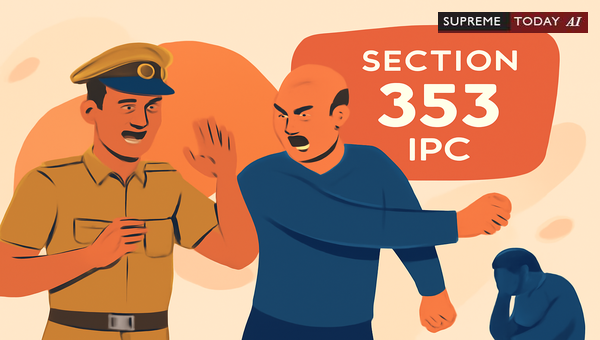
Is a Serious Offence? Unpacking Drawbacks
In the realm of Indian criminal law, few provisions strike as directly at the heart of public order as . This section addresses or the use of against a while they execute their lawful duties. But is it truly a serious offence? And what pitfalls lurk in the process for such cases? If you've ever wondered, Whether 353 is the Serious Offence what are the Drawbacks Available in the Cross Examination, this post dives deep into the legal nuances, judicial precedents, and practical challenges.
Drawing from established case law and statutory interpretations, we'll assess its gravity and highlight why effective is both vital and fraught with obstacles. Whether you're a legal practitioner, accused, or simply interested in IPC matters, understanding these elements can illuminate the path to fair trials. Note: This is general information based on legal precedents and not specific legal advice. Consult a qualified lawyer for personalized guidance.
Nature and Classification of : Why It's Deemed Serious
targets acts that undermine public servants—police officers, government officials, or others in official capacities—by using or to obstruct their duties. It's explicitly classified as a , empowering police to arrest without a warrant and investigate sans prior permission. This underscores its seriousness from the outset. 2013 0 Supreme(Pat) 654 1978 0 Supreme(Raj) 356
The penalty? Imprisonment up to two years, or a fine, or both—reflecting the law's intent to protect those upholding public order. Courts have consistently viewed it gravely, especially when force threatens law enforcement's authority. For instance, judicial rulings affirm that such offences disrupt governmental functioning and warrant stringent handling. 1978 0 Supreme(Raj) 356 2022 0 Supreme(All) 917
Further, case law reinforces this. In one matter, the trial court convicted the accused under Sections 341, 332, and 353 IPC after evaluating evidence, highlighting how Section 353 often pairs with related charges like grievous hurt to public servants. 2024 Supreme(Online)(KAR) 20535 2024 Supreme(Online)(Kar) 38694 Another precedent notes: When both are invoked, Section 353 of IPC being the minor offence merges with . No separate sentence for 353 was imposed, yet it amplifies the case's severity. 2025 0 Supreme(Kar) 1339
The essential ingredients include: (1) Accused assaulted or used to a ; Such was then acting in the discharge of his duty. 2023 0 Supreme(Cal) 5 Convictions stand when these are proven, equating its gravity to offences like (obstructing public servants). 2024 Supreme(Online)(Bom) 7230 2024 Supreme(Online)(Bom) 7037
In essence, Section 353 isn't trivial—it's a bulwark against anarchy, treated as serious due to its cognizable status, penalties, and judicial emphasis.
The Critical Role of in Section 353 Cases
remains the defence's sharpest tool, testing witness veracity and credibility—especially in serious matters like Section 353. It probes the prosecution's narrative on , the 's duty, and contextual facts. 2020 0 Supreme(Pat) 380 2013 0 Supreme(Ori) 404
Yet, its efficacy hinges on strategy. Thorough questioning can expose inconsistencies, , and prevent miscarriages of justice. Failure here leaves prosecution evidence unchallenged, risking wrongful outcomes. 1985 0 Supreme(Ker) 145 2016 0 Supreme(Mad) 908
Key Drawbacks and Challenges in
Despite its power, in Section 353 cases brims with pitfalls:
1. Inadequate or Superficial Probing
Untested evidence on weakens defences. Casual overlooks vital inconsistencies, compromising trial integrity. 2016 0 Supreme(Mad) 908 2014 0 Supreme(Tri) 296 2020 0 Supreme(Telangana) 448
2. Judicial Restrictions on Scope
Courts curtail irrelevant, scandalous, or repetitive questions, hampering challenges to prosecution witnesses. 1985 0 Supreme(Ker) 145 If witnesses are discharged post-examination without new charges under 353, further probing may be deemed unnecessary. 2021 Supreme(Online)(MAD) 34776
3. Redundancy and Procedural Defects
Reiterating evidence without fresh discrediting yields little. Moreover, if charges lack explicit Section 353 ingredients or aren't properly framed, can't salvage the case—leading to acquittals. 2025 0 Supreme(HP) 381
4. Risk of Overlooking Bias or Falsehoods
In high-stakes scenarios, failing to impeach can let flawed testimonies stand, as seen in cases doubting transactions or witness statements. 2024 Supreme(Online)(Mad) 45749 One note: Cross-examinatiion by Ld. Legal Aid Counsel for the accused person. It is true that the accused did not make any statement to the Police about M.Os. 2014 0 Supreme(Sikk) 94 2014 0 Supreme(Sikk) 39
5. Merger with Other Offences Complicates Strategy
When 353 merges into graver charges like 332, cross-focus shifts, potentially diluting scrutiny on force elements. 2025 0 Supreme(Kar) 1339
These drawbacks amplify in serious offences, where procedural slips—like unamended charges—undermine prosecutions. 2025 0 Supreme(HP) 381
Judicial Insights and Practical Recommendations
Courts stress robust to ensure fairness. In a conviction upheld under 353, evidence appreciation was key post-trial. 2024 Supreme(Online)(KAR) 20535 Recommendations include:- Prioritize Key Ingredients: Grill on duty discharge, force nature, and intent.- Avoid Repetition: Introduce new facts to evade restrictions.- Prepare Thoroughly: Anticipate biases, using medical exams or prior statements. 2025 Supreme(Online)(AP) 11766- Frame Charges Properly: Deficiencies here doom cases despite cross efforts.
Conclusion and Key Takeaways
is unequivocally a serious offence, safeguarding public servants amid cognizable, punitive heft and judicial scrutiny. , while pivotal for credibility tests, grapples with scope limits, redundancy risks, and procedural hurdles—potentially tipping trials.
Key Takeaways:- Seriousness Confirmed: Cognizable, mergeable with graver IPC sections, vital for public order. 2013 0 Supreme(Pat) 654 1978 0 Supreme(Raj) 356- Cross Pitfalls: Inadequacy leads to untested evidence; restrictions curb depth. 1985 0 Supreme(Ker) 145- Best Practices: Strategic, detailed questioning ensures fairness.
For robust defences, engage experts early. This analysis draws from precedents like 2013 0 Supreme(Pat) 654, 1978 0 Supreme(Raj) 356, 2020 0 Supreme(Pat) 380, 2013 0 Supreme(Ori) 404, 1985 0 Supreme(Ker) 145, 2016 0 Supreme(Mad) 908, 2014 0 Supreme(Tri) 296, 2020 0 Supreme(Telangana) 448, 2024 Supreme(Online)(KAR) 20535, 2025 0 Supreme(Kar) 1339, 2024 Supreme(Online)(Bom) 7230, 2025 0 Supreme(HP) 381 and is for informational purposes only.
#Section353IPC, #CrossExamination, #IPCSeriousOffences












