


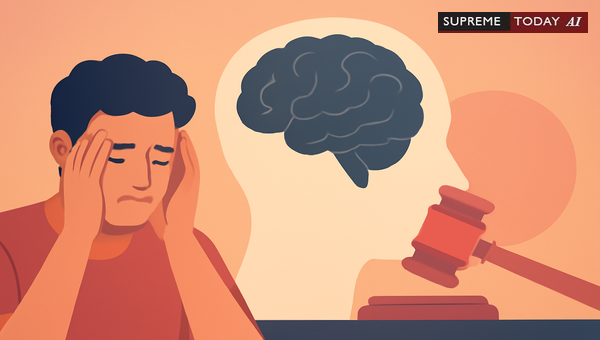
Mental Insanity Defense in Indian Law: Key Rules
In the realm of criminal law, few defenses are as nuanced and debated as those based on mental insanity. When an accused claims they were not in their right mind at the time of an offense, courts must carefully balance justice, mental health considerations, and legal standards. This blog post delves into defenses under mental insanity, particularly under Indian law, exploring legal principles, evidentiary requirements, and practical insights. Whether you're a legal professional, student, or someone navigating a complex case, understanding these defenses is crucial.
Note: This article provides general information based on established legal principles and is not a substitute for professional legal advice. Consult a qualified attorney for case-specific guidance.
What Constitutes a Mental Insanity Defense?
The question of defenses under mental insanity centers on , which states that nothing is an offense if committed by a person who, due to unsoundness of mind, is incapable of knowing the nature of the act or that it is wrong or contrary to law. This defense hinges on the accused's mental state at the time of the offense1992 0 Supreme(Ker) 66 1984 0 Supreme(Ker) 57 1970 0 Supreme(Ker) 253.
Courts assess the accused's mental faculties precisely at that moment, not based on post-offense conditions 1953 0 Supreme(Ker) 148 2007 4 Supreme 627. For instance, a subsequent recovery or diagnosis does not retroactively validate the defense.
vs.
A critical distinction exists between and :- focuses on the inability to understand the nature of the act or its wrongfulness/illegality 1953 0 Supreme(Ker) 148 2007 4 Supreme 627.- , such as a diagnosed mental illness, serves as supporting evidence but is not conclusive. Courts require proof of how it impaired legal comprehension 2023 6 Supreme 508 2008 7 Supreme 351.
As noted in judicial interpretations, the court's concern is with , which refers to the inability to understand the nature of the act or that it is wrong or contrary to law 1953 0 Supreme(Ker) 148.
and Presumptions
The accused bears the to establish insanity on a or by creating a 1984 0 Supreme(Ker) 57 2023 6 Supreme 508 1998 0 Supreme(Ker) 586. Once raised effectively, the prosecution must disprove sanity beyond 1970 0 Supreme(Ker) 253.
There is a , meaning the accused must rebut it with compelling evidence 1970 0 Supreme(Ker) 253 2008 7 Supreme 351. Importantly, the prosecution is not required to prove the accused's sanity beyond if the defense raises the issue effectively 1970 0 Supreme(Ker) 253.
From procedural perspectives, magistrates cannot order an insanity inquiry merely on a plea; they must have 'reasons to believe' the accused is of unsound mind. These provisions are mandatory and ought to be strictly complied with. The issue of insanity is to be tried only where the accused appears to be incapable of making his defence due to mental infirmity 2019 0 Supreme(Guj) 143 2019 0 Supreme(Guj) 16 2016 0 Supreme(Guj) 2183.
Conditions for a Successful Insanity Plea
To succeed, the accused must prove unsoundness of mind rendered them incapable of knowing:1. The nature of the act, or2. That the act was wrong or contrary to law1988 0 Supreme(Ker) 130 2008 7 Supreme 493 2023 1 Supreme 405.
Mere knowledge that the act was wrong but not illegal (or vice versa) typically falls short 2008 7 Supreme 493.
Evidence Assessment
Courts evaluate a holistic range of evidence:- Medical reports and expert testimony.- Behavior before, during, and after the offense.- Conduct at the time, such as abnormal actions indicative of disorder 1992 0 Supreme(Ker) 66 2007 4 Supreme 627 1970 0 Supreme(Ker) 253 2023 6 Supreme 508.
In one case, defense suggestions of mental insanity were considered alongside other evidence, noting loopholes in prosecution's story, though totality mattered 2019 0 Supreme(Jhk) 133.
Outcomes and Post- Measures
If proven, the accused secures under Section 84 IPC 1988 0 Supreme(Ker) 130 1992 0 Supreme(Ker) 66. However, courts may order detention in a mental health facility until the person is cured or fit for society 2023 6 Supreme 508.
Temporary Insanity and Broader Contexts
While the core defense targets ongoing unsoundness, temporary insanity—from factors like extreme emotional distress—may apply if it meets legal thresholds. Insights from comparative sources highlight that temporary insanity, caused by factors like intoxication, emotional distress, or temporary mental disorder, can serve as a defense if proven that the defendant was unable to rationally comprehend the act at the time (adapted from general principles
2023 0 Supreme(Ker) 1061).
In Indian practice, such claims require robust evidence tying the temporary state to legal incapacity, distinguishing from voluntary intoxication, which rarely qualifies.
Practical Recommendations for Building the Defense
To strengthen an insanity plea:- Gather comprehensive evidence: Medical records, witness accounts of abnormal behavior from the relevant period.- Prove incapacity: Link mental state directly to lack of understanding of the act's nature or wrongfulness.- Address presumptions: Counter the sanity presumption head-on with expert opinions.- Procedural compliance: Ensure magistrates have 'reasons to believe' for inquiry 2019 0 Supreme(Guj) 143.
Key Case Law Insights
Judicial precedents reinforce these principles:- Insanity must exist at the time of offense1992 0 Supreme(Ker) 66.- Expert testimony is pivotal but weighed against all facts 2007 4 Supreme 627.- Defenses fail without totality of evidence supporting doubt 2019 0 Supreme(Jhk) 133.
Conclusion and Key Takeaways
The defense of mental insanity under Indian law is a powerful but demanding shield, requiring proof of legal incapacity at the offense's moment. Success demands meticulous evidence, overcoming the sanity presumption, and distinguishing legal from medical standards. While is possible, it often leads to supervised care, reflecting society's dual focus on justice and rehabilitation.
Key Takeaways:- Prove unsound mind incapacitated understanding of act/wrongfulness 1988 0 Supreme(Ker) 130.- Burden on accused; prosecution rebuts if doubt raised 1984 0 Supreme(Ker) 57.- Evidence: Medical, behavioral, expert 1970 0 Supreme(Ker) 253.- Magistrate inquiry needs 'reasons to believe' 2019 0 Supreme(Guj) 143.
By understanding these nuances, stakeholders can better navigate this defense. For tailored advice, seek expert counsel.
References (selected):1992 0 Supreme(Ker) 66 1984 0 Supreme(Ker) 57 1970 0 Supreme(Ker) 253 1953 0 Supreme(Ker) 148 2007 4 Supreme 627 2023 6 Supreme 508 2008 7 Supreme 351 2019 0 Supreme(Guj) 143 2019 0 Supreme(Guj) 16 2019 0 Supreme(Jhk) 133
#InsanityDefense #IndianLaw #MentalHealthLaw















