


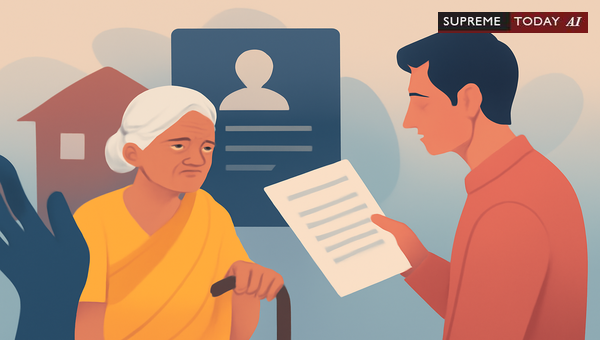
Senior Citizens Act 2007: Key Rights & Guide
In the landmark case of , the courts delved into critical aspects of elder care under the . This legislation addresses growing concerns over the welfare of India's aging population, particularly in family disputes involving and . If you're a senior citizen facing neglect or a family member navigating obligations, understanding this Act is essential. This post breaks down its provisions, court interpretations, and practical insights—remember, this is general information, not specific legal advice. Consult a lawyer for your situation.
Overview of the Senior Citizens Act, 2007
Enacted to safeguard seniors aged 60 and above, the Act provides a framework for , welfare, and protection of life and property. It empowers elderly individuals to live with dignity, free from harassment or abandonment. Key to this is the role of the District Magistrate, who acts swiftly on complaints without lengthy court battles. 2023 0 Supreme(Del) 1570
The Act responds to societal shifts where traditional family support systems are weakening, ensuring for food, shelter, clothing, and medical needs. In Dr. Ashok Kumar Rai v. State of UP, the court emphasized state obligations to implement , highlighting the Act's preventive and protective scope. 2018 0 Supreme(UK) 231
Key Provisions of the Act
Rights
Senior citizens can claim up to ₹10,000 monthly from children or relatives who own or are entitled to their property. This covers essentials like:- Food and clothing- Residence- Medical care 2023 0 Supreme(Del) 1570 2018 0 Supreme(P&H) 1771
Children and grandchildren bear primary responsibility. Relatives in possession of the senior's property must also contribute, preventing exploitation. Failure invites penalties, including . 2023 0 Supreme(Del) 1570
Obligations of Family Members
The Act mandates:- Children to provide upkeep- Relatives with inheritance rights to maintain the senior
Non-compliance can lead to property orders. Courts have upheld this in cases of proven neglect, as seen in family disputes where seniors were ousted from their homes. 2023 0 Supreme(Del) 3042
Protection from and Harassment
Seniors can approach the District Magistrate for of , including children, if they face harassment or denial of . This provision ensures quick relief—orders are executable like . 2023 0 Supreme(Del) 3042
In one instance, courts noted: The District Magistrate has the authority to issue such orders to protect the elderly. 2023 0 Supreme(Del) 3042
Legal Findings from Relevant Cases
Orders Upheld: Courts affirm when harassment or non- is shown. The process is streamlined, bypassing . 2023 0 Supreme(Del) 3042
State Responsibilities: Governments must create action plans, including old age homes. Dr. Ashok Kumar Rai reinforced this, mandating facilities for seniors. 2018 0 Supreme(UK) 231
: cannot interfere in Act-covered matters, speeding up justice. 2016 0 Supreme(Kar) 940
Additional cases echo these principles. For example, in family property disputes, courts rejected claims overriding senior protections, similar to rulings where expert favoritism was alleged but upheld. 2014 0 Supreme(Raj) 515 In another, medical evidence supported injury claims in elder-related conflicts, underscoring the need for credible testimony. 2015 0 Supreme(All) 1357
Harmonization with Other Laws
The Act interacts with the . Courts balance rights: women's protections aren't nullified by senior claims. The rights of women in shared households cannot be overridden by the provisions of the Senior Citizens Act. 2021 1 Supreme 139
This harmonization prevents misuse, as seen in cases like Virendra Singh Adhikari variants, where family claims clashed but elder welfare prevailed judiciously.
Similar balances appear in inheritance disputes involving widows and children.
Practical Recommendations
For Senior Citizens
- File complaints with the District Magistrate for or .
- Document neglect or harassment with evidence like medical reports. 2010 0 Supreme(All) 2249
For Family Members
- Fulfill obligations to avoid —awareness prevents legal battles.
- In disputes, seek mediation before escalation.
For Legal Practitioners
- Consider intersecting laws like domestic violence statutes.
- Leverage server logs or digital evidence in modern bids for fairness, analogous to procedural rulings. 2018 0 Supreme(Del) 1092
In dacoity-like severe cases tied to property grabs, courts rely on , a lesson for elder protection claims. 2014 0 Supreme(All) 656
Challenges and Broader Context
While robust, implementation varies. Rural seniors may face access barriers, and false claims can strain families. Courts, as in Dr. Ashok Kumar Rai, urge states to bolster old age homes and awareness campaigns. Other judgments highlight tutored witnesses' unreliability, stressing genuine evidence. 2015 0 Supreme(All) 1357
Related cases, like those involving juveniles or honorarium disputes, indirectly touch family duties, reinforcing legal accountability.
2014 0 Supreme(All) 656
Conclusion and Key Takeaways
The Senior Citizens Act, 2007 stands as a vital shield for India's elders, prioritizing and protections amid family tensions. From Dr. Ashok Kumar Rai v. State of UP, we see courts enforcing swift justice while balancing rights. Key takeaways:- Seniors: Act promptly via District Magistrates.- Families: Honor obligations to foster harmony.- All: Harmonize with other laws for equity.
This Act promotes dignified aging—stay informed, but seek professional advice tailored to your case. References: 2023 0 Supreme(Del) 1570 2023 0 Supreme(Del) 3042 2018 0 Supreme(UK) 231 2016 0 Supreme(Kar) 940 2021 1 Supreme 1392018 0 Supreme(Del) 1092 2015 0 Supreme(All) 1357
Word count: ~1050. This post draws from judicial analyses for educational purposes.
#SeniorCitizensAct, #ElderRightsIndia, #FamilyLawIndia















