


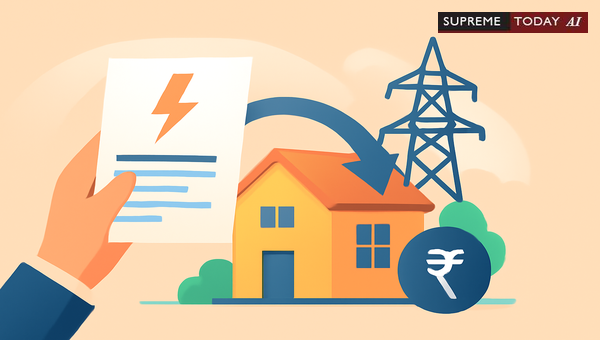
K.C. Ninan vs : Do Electricity Dues Automatically Property?
Buying a property only to face demands for the previous owner's electricity bills can be a nightmare. Imagine purchasing on an basis, only to find the () insisting you pay old arrears before reconnecting service. This exact scenario played out in the landmark case K.C. Ninan v. (2023 SCC OnLine SC 663). If you've searched for k c Ninan vs state electricity board suprem court judgment, this post breaks down the ruling, its implications, and practical advice. Note: This is general information, not legal advice—consult a lawyer for your situation. 2024 6 Supreme 170
The Core Issue: Electricity Arrears as a Property ?
The clarified a crucial point: electricity dues do not automatically constitute a or over the property unless expressly provided by law or regulation.2024 6 Supreme 170 In K.C. Ninan, the Court emphasized that without specific , a or transferee isn't automatically liable. Recovery hinges on explicit legal or regulatory frameworks. 2024 6 Supreme 170
This ruling aligns with precedents like , where arrears were held not to become automatic charges. 2024 6 Supreme 170 The decision reviews the , reinforcing that don't transfer without clear provisions. 2024 6 Supreme 170
Key Principles from the Judgment
- No Automatic : Electricity arrears generally do not create a unless law explicitly says so. 2024 6 Supreme 170
- Statutory Recovery Rights: The , and regulations may allow utilities to recover from new owners if conditions are met, potentially creating a statutory . 2024 6 Supreme 170
- Purchases: Buyers take notice of potential dues, but liability still depends on regulations—not the sale terms alone. 2024 6 Supreme 170
Recovery from Subsequent Owners: When Does It Apply?
Utilities like can frame supply conditions or regulations to enable dues recovery from transferees. However, absent these, arrears remain the original consumer's personal liability. 2024 6 Supreme 170 The Court noted: the power to recover electricity dues from subsequent owners depends on the regulatory framework and statutory provisions. 2024 6 Supreme 170
In practice, this means checking local regulations before purchase. For instance, if 's conditions of supply stipulate a , new owners may need to clear dues for reconnection. A related High Court case echoed this, dismissing a writ petition where a petitioner refused to pay prior owner's arrears: A must clear any outstanding dues from the previous owner to obtain an electricity service connection. 2025 0 Supreme(Raj) 243 The court relied directly on , holding no fresh connection without clearance. 2025 0 Supreme(Raj) 243
Sales: Buyer Beware, But With Limits
Properties sold put buyers on notice for existing issues, including dues. Yet, the stressed this doesn't override the default rule—no without statutory support. 2024 6 Supreme 170 A three-judge bench in K.C. Ninan confirmed: liability arises only if regulations specify it. 2024 6 Supreme 170
This protects buyers somewhat. For example, in another electricity dispute, courts have upheld that mere transfer doesn't shift dues absent explicit law. 2025 0 Supreme(Raj) 243 Buyers should demand during .
Exceptions Where Dues Can Bind New Owners
The ruling isn't absolute. Key exceptions include:- Explicit Regulations: If supply conditions create a statutory , recovery from new owners is valid. 2024 6 Supreme 170- Electricity Act Provisions: assessments for or specific recovery rules may apply. In a Gujarat case, appeals against under were held maintainable, showing regulatory nuances. 2015 0 Supreme(Guj) 66- Court-Applied Precedents: Lower courts, like in Kerala writs, mandate clearance citing K.C. Ninan. One dismissed a petition outright: without clearing the old due arrears, no fresh electricity connection could be granted. 2025 0 Supreme(Raj) 243
Other -related cases highlight procedural fairness, such as appeals against disconnections or service matters, but reinforce the need for . 2024 Supreme(Online)(Ker) 67642 2024 Supreme(Online)(Ker) 66194
Practical Implications for Buyers, Sellers, and Utilities
For Property Buyers
- Verify electricity dues and regulations pre-purchase.
- Request seller-provided .
- Negotiate indemnities in sale agreements.
For Utilities
- Frame clear regulations under the Electricity Act to specify property charges. 2024 6 Supreme 170
For Regulators
- Codify provisions to minimize disputes, as recommended by the Court. 2024 6 Supreme 170
In service connection refusals, courts won't intervene without dues clearance, as seen in multiple orders citing K.C. Ninan. 2025 0 Supreme(Raj) 243 2024 Supreme(Online)(Ker) 66132
Broader Context from Related Judgments
The K.C. Ninan principles extend beyond Kerala. For instance:- In cases, appeals under are viable if timely. 2015 0 Supreme(Guj) 66- Compensation claims involving electricity accidents underscore functional liabilities but not property charges. 2019 0 Supreme(Raj) 1841
These reinforce that electricity governance demands explicit rules. 2024 0 Supreme(SC) 438
Key Takeaways
- Electricity dues typically do not auto- property—check statutes. 2024 6 Supreme 170
- Subsequent owners may face recovery if regulations mandate it. 2024 6 Supreme 170
- sales heighten risk but don't create liability alone. 2024 6 Supreme 170
- Always conduct thorough to avoid surprises.
This verdict provides clarity amid rising property transactions with legacy utilities issues. For tailored advice, reach out to a legal expert familiar with your state's electricity regulations. References: Detailed analysis from 2024 0 Supreme(SC) 438 2024 6 Supreme 170.
This post draws from public judgments and is for informational purposes only.
#KCNinanCase, #ElectricityDues, #SupremeCourtRuling












