


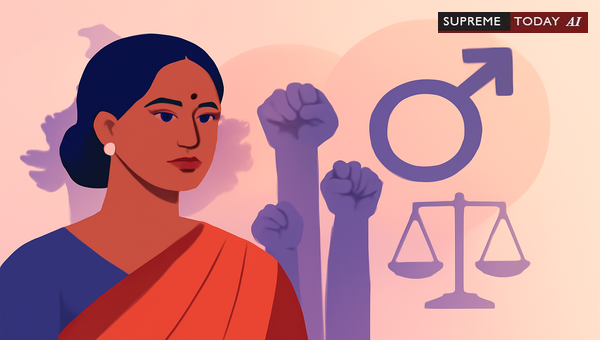
Landmark Cases on Women's Rights in India
Women's rights have seen transformative progress in India, largely driven by landmark judgments that interpret constitutional guarantees under Articles 14, 15, 16, 19, and 21. These rulings have addressed workplace harassment, employment discrimination, property rights, domestic violence, and more, fostering . If you're seeking a lecture on women related laws and landmark case laws, this comprehensive overview draws from pivotal decisions to highlight how the judiciary has empowered women.
Note: This article provides general information based on notable cases and is not legal advice. Consult a qualified lawyer for specific situations.
Vishaka Guidelines: Pioneering Protection Against Workplace Sexual Harassment
One of the most groundbreaking rulings is , where the issued binding guidelines enforceable as law under . The Court recognized as a under Articles 14, 19, and 21, stating: In exercise of power under guidelines are issued for enforcement of Fundamental rights – These guide lines be treated as the law declared by this Court under of Constitution – These are to be observed at all work places for preservation and enforcement of the right to of working women. 1997 0 Supreme(Raj) 616
These guidelines prohibit unwelcome sexually determined behavior and mandate its inclusion in . A subsequent reinforced this: implementation of the guidelines in Vishaka has to be not only in form but substance and spirit so as to make available safe and secure environment to women at the workplace. 2012 7 Supreme 321
Today, these form the basis of the , ensuring safe environments across sectors.
Employment and Professional Equality: Striking Down Gender Barriers
The Court has consistently invalidated gender-based discrimination in employment. In a case involving a barring women make-up artists, it held: is recognised as in Vishaka case – Therefore respondent no. 5 Association which is a registered under the Act cannot discriminate people on the basis of sex. 2014 8 Supreme 168
Similarly, a blanket prohibition on women working in liquor premises under the was struck down: End result is an perpetrating sexual differences... Such a restriction keeping in view a citizen’s right to be considered for employment, which is a facet of the do not stand . 2008 1 Supreme 17
, however, stand upheld. Reservations for women principals in girls' colleges were deemed reasonable under (3): Rules providing for appointment of lady principle in Women s college or a lady teacher therein cannot be held to be violative either of or 16 of the Constitution because classification is reasonable and it has a nexus with the object sought to be achieved. 2003 7 Supreme 256
Property Rights: Empowering Hindu Women Through Succession Laws
Under the , Section 14(1) grants to Hindu women, converting into full rights: Any instrument, document, device etc. under which Hindu female came to possess the property... in recognition of her pre-existing right... the operation of sub-section (1) of Section 14 read wiht Explanation I, , remove the fetters and the limited right blossoms into an absolute right. 1996 2 Supreme 720
This aligns with constitutional mandates to eliminate gender disparities in inheritance, allowing women equal shares as daughters and widows.
Domestic Violence and Marital Rights: Strengthening Protections
The (DV Act), has been affirmed as constitutional, providing special protections under (3): Special protection for women under the Act is justified and in line with (3) of the Constitution of India. 2009 0 Supreme(Mad) 976
In Harsora Sisters Pvt. Ltd. v. , the Court struck down the gender-specific definition of respondents in Section 2(q): The words adult male before the word person in Section 2(q) struck down. 2016 7 Supreme 232 This made remedies more inclusive while prioritizing women.
of minors was criminalized by reading down : Exception 2 to Section 375 of the IPC should now be meaningfully read as: Sexual intercourse or sexual acts by a man with his own wife, the wife not being under eighteen years of age, is not rape. 2017 7 Supreme 673
Related laws like (cruelty by husband/in-laws), (dowry death), , and (maintenance) complement these. Courts emphasize evidence in DV cases: may be granted pending trial, but final relief depends on proving . 2021 0 Supreme(Del) 341
Parveen Tandon VS Tanika Tandon
For instance, live-in relationships resembling marriage can qualify, but adulterous ones typically do not. 2019 0 Supreme(Chh) 989Exceptions, Limitations, and Broader Context
While (3) allows , it must be proportionate. Absolute employment bans fail scrutiny, as seen in liquor bar cases 2008 1 Supreme 17. Customary practices like child marriage yield to statutes like 2017 7 Supreme 673.
Additional judicial insights reinforce women's protections in vulnerable situations, such as maintenance for destitute wives and remedies against mental cruelty. 2021 0 Supreme(Del) 1372 Courts often direct return of if no domestic relationship is proven post-trial.
Parveen Tandon VS Tanika Tandon
- Key limitations: DV Act prioritizes women but post-amendment allows action against female relatives 2016 7 Supreme 232.
- Evidence threshold: Relationships must be evidenced; presumptions from cohabitation are rebuttable 2019 0 Supreme(Chh) 989.
Key Takeaways and Recommendations
These landmark cases underscore India's commitment to gender justice:- Invoke Vishaka and POSH Act for harassment claims.- Challenge discriminatory bylaws under Articles 14, 19(1)(g), 21.- Claim absolute property rights via Section 14(1).- Use DV Act judiciously, backed by evidence of shared households.
Legal professionals and policymakers should ensure enforcement, while individuals stay informed. For comprehensive , continued judicial and legislative action is vital.
References:1. 1997 0 Supreme(Raj) 616 Vishaka guidelines.2. 2014 8 Supreme 168 discrimination.3. 2003 7 Supreme 256 Women reservations.4. 1996 2 Supreme 720 Property rights.5. 2008 1 Supreme 17 Liquor employment ban.6. 2012 7 Supreme 321 Vishaka enforcement.7. 2016 7 Supreme 232 DV Act amendment.8. 2017 7 Supreme 673 minors.9. 2009 0 Supreme(Mad) 976 DV Act constitutionality.10. DV-related: 2021 0 Supreme(Del) 341,
Parveen Tandon VS Tanika Tandon
, 2021 0 Supreme(Del) 1372, 2019 0 Supreme(Chh) 989. #WomensRightsIndia, #LandmarkCases, #GenderEquality















