


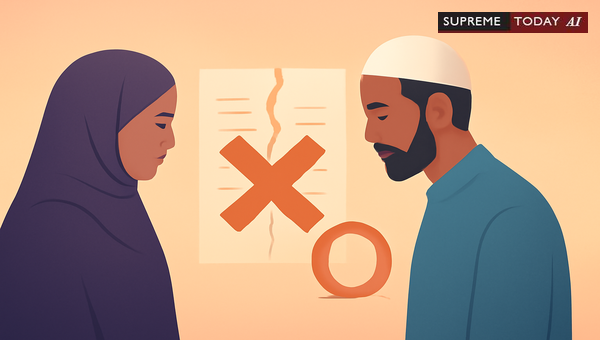
Understanding : Meaning & Characteristics
In the realm of Muslim personal law in India, few practices have sparked as much debate and judicial scrutiny as , commonly known as triple talaq. This form of divorce has been at the center of landmark legal battles, raising questions about gender equality, constitutional rights, and religious traditions. If you've ever wondered, What is the meaning and characteristics of ?, this comprehensive guide breaks it down, drawing from judgments and statutory provisions.
Once widely practiced, allows a Muslim husband to dissolve his marriage instantaneously. However, its unilateral and irrevocable nature led to its declaration as unconstitutional. We'll explore its definition, key features, distinctions from other forms of talaq, and current legal standing—helping you navigate this complex topic.
Disclaimer: This article provides general information based on legal precedents and statutes. It is not legal advice. Consult a qualified lawyer for advice specific to your situation.
What is ? Definition and Core Meaning
, also referred to as Triple Talaq or , refers to a form of divorce in Islamic law characterized by its instantaneous and irrevocable nature. Typically pronounced by a Muslim husband, it immediately terminates the marriage without scope for reconciliation or revocation. 2025 0 Supreme(Ker) 112 2024 0 Supreme(Ker) 691
According to legal interpretations, it involves a triple pronouncement of Talaq in a single sitting or a single declaration indicating irrevocability. For instance, saying I divorce thee three times or in one explicit irrevocable statement during one (period of purity between menstruations). The essential characteristic is its immediate effect upon pronouncement, dissolving the marriage on the spot. 2025 0 Supreme(Ker) 112 2024 0 Supreme(Ker) 691
This practice is distinguished from more procedural forms of divorce in Islamic law, as it bypasses any waiting period or reconciliation efforts. The has described it as , allowing a husband to unilaterally dissolve the marriage capriciously. 2025 0 Supreme(Ker) 112
Key Characteristics of
Here are the defining attributes that set apart:
- Instantaneous Effect: The divorce takes effect immediately upon pronouncement, often through triple repetition in one sitting or a single irrevocable declaration. 2025 0 Supreme(Ker) 112 2024 0 Supreme(Ker) 691
- Irrevocable Nature: Once uttered, it cannot be revoked or reconsidered, leading to final dissolution without (waiting period) reconciliation. 2025 0 Supreme(Ker) 112 2024 0 Supreme(Ker) 691
- Unilateral and Capricious: Pronounced solely by the husband, without requiring justification, counseling, or spousal consent, making it prone to abuse. 2025 0 Supreme(Ker) 112
- Pronounced in Various Forms: Can be oral, written, electronic, or otherwise, as long as it conveys the triple or irrevocable intent. 2022 0 Supreme(Telangana) 127
These features, while rooted in certain interpretations of Islamic law, have been criticized as anti-Quranic, as the Quran emphasizes reconciliation during divorce proceedings. 2025 0 Supreme(Ker) 112
Distinction from
Not all talaq forms are equal under Muslim personal law. contrasts sharply with , which includes and —considered more aligned with prophetic traditions.
- : Single pronouncement during , revocable during the three-month period. 2025 0 Supreme(Ker) 112 2024 0 Supreme(Ker) 691
- : Pronounced once per over three tuhrs, revocable until the third pronouncement. 2025 0 Supreme(Ker) 112 2024 0 Supreme(Ker) 691
Unlike 's instant finality, provides scope for reconciliation within lunar months, making it less arbitrary. Courts have upheld these as valid, emphasizing procedural safeguards.
Shehwaz Khan VS State of H. P. - Current Civil Cases (2024)
The first two forms and are conditioned and they are accepted to be more civilized but while resorting to any of these two forms there are conditions precedent. 2016 0 Supreme(Bom) 983
Rehana Sultana Begum VS Hashmi Syed Mujib - Current Civil Cases
Legal Status and Judicial Perspective in India
The practice faced its reckoning in the 's landmark case, where was declared unconstitutional under (equality) for being arbitrary and discriminatory against women. 2025 0 Supreme(Ker) 112 2021 0 Supreme(Ker) 704
Following this, the criminalized it. defines ‘talaq’ means or any other similar form of talaq having the effect of instantaneous and irrevocable divorce pronounced by a Muslim husband. Pronouncing it is void, illegal, and punishable by up to three years' imprisonment and a fine. 2025 Supreme(Online)(Ker) 20978 2024 Supreme(Online)(KER) 15366 2024 0 Supreme(MP) 259 2022 0 Supreme(Telangana) 127
Any pronouncement of talaq by a Muslim husband upon his wife, by words, either spoken or written or in electronic form or in any other manner whatsoever, shall be void and illegal. 2022 0 Supreme(Telangana) 127
Importantly, the Act targets only instantaneous triple talaq, leaving intact. Judicial scrutiny often determines intent: a pronouncement intended as remains valid if it follows reconciliation procedures. 2025 0 Supreme(Ker) 112 2024 0 Supreme(Ker) 691
Exceptions and Limitations
- If pronounced with intent as or Ahsan (e.g., single pronouncement with revocation window), it may not qualify as . 2025 0 Supreme(Ker) 112 2024 0 Supreme(Ker) 691
- Manner matters: Not every triple mention automatically triggers irrevocability; context and explicit irrevocability are key.
Shehwaz Khan VS State of H. P. - Current Civil Cases (2024)
- The 2019 Act specifies it applies to forms with instantaneous and irrevocable effect, distinguishing from revocable talaqs. 2025 Supreme(Online)(Ker) 20978
Practical Recommendations
For those navigating marital issues under Muslim law:- Prioritize Reconciliation: Opt for or mediation to avoid legal pitfalls.- Document Intent: Clearly state the mode of talaq to prevent misclassification.- Seek Judicial Review: In disputes, courts assess validity based on procedure and effect. 2025 0 Supreme(Ker) 112- Awareness of Penalties: Post-2019, invites criminal liability—act responsibly.
Conclusion and Key Takeaways
's hallmark—instantaneous, irrevocable divorce via triple pronouncement—rendered it incompatible with India's constitutional ethos of equality and fairness. While historically practiced, it's now void and criminalized, paving the way for more equitable practices like . 2021 0 Supreme(Ker) 704 2025 0 Supreme(Ker) 112
Key Takeaways:- Instant and irrevocable: Core of . 2024 0 Supreme(Ker) 691- Unconstitutional since 2017; criminalized in 2019. 2025 0 Supreme(Ker) 112- remains valid with reconciliation scope.- Always consult professionals for personalized guidance.
This evolution underscores India's commitment to protecting women's rights within personal laws. Stay informed, and remember: legal landscapes evolve—knowledge empowers.
References
- 2025 0 Supreme(Ker) 112: on unconstitutionality.
- 2024 0 Supreme(Ker) 691: Modes and distinctions.
- 2021 0 Supreme(Ker) 704: Overview of ruling.
- 2025 Supreme(Online)(Ker) 20978, 2022 0 Supreme(Telangana) 127: 2019 Act definitions.
Shehwaz Khan VS State of H. P. - Current Civil Cases (2024)
, 2016 0 Supreme(Bom) 983: Forms of talaq.


















