


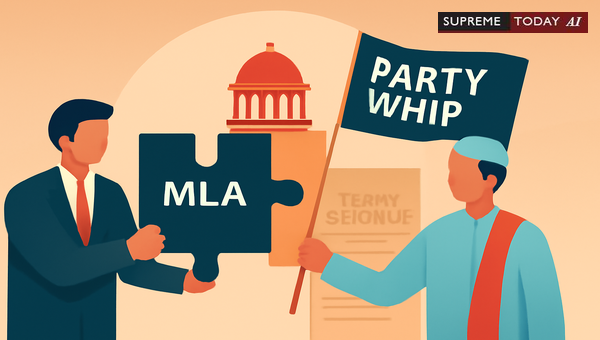
Can an MLA Merge Two-Thirds of Their Party After a Whip is Issued?
In the high-stakes world of Indian politics, party discipline often clashes with ambitions for mergers or splits. A common question arises: can a MLA merge two third after issued? This query touches on the heart of under the , where whips bind legislators, and mergers require strict thresholds. Understanding this can prevent disqualification pitfalls for MLAs and parties alike.
This post breaks down the legal framework, judicial insights, and practical implications. Note: This is general information based on legal precedents and not specific legal advice—consult a qualified lawyer for your situation.
The Core Legal Issue: Whips vs. Mergers
Party whips are directives issued by a political party or its leader, compelling members to vote in a particular way. Disobeying a whip typically triggers under , treating it as . 2007 2 Supreme 127
Mergers, however, offer an exception. deems a merger effective if not less than of the agree to it. 2006 9 Supreme 829 But timing matters: Can this happen after a whip is issued?
Main Legal Finding: Generally, no. An MLA or legislative party cannot merge two-thirds after a valid whip directs support for a specific position, unless the merger meets the two-thirds threshold and is formally recognized under the Tenth Schedule before or in compliance with the whip's binding effect. Post-whip mergers face intense scrutiny and may not override disqualification risks. 2007 2 Supreme 127 2006 9 Supreme 829
Key Principles Under the Tenth Schedule
The law distinguishes between defection, splits, and mergers:
Whip Binding: A whip issued by the party president or authorized leader binds MLAs. Disobedience equates to defection. For instance, in a case, a whip directed MLAs to vote for the party's official candidate, and violation was not tolerated.
(S) issued a whip to all the members of the Legislative Assembly belonging to the party. He directed them to vote for the official candidate...
Merger Threshold: Merger requires two-thirds agreement of the . Without it, the merger isn't recognized, and members remain bound by the whip. 2006 9 Supreme 829
Post-Whip Challenges: After a whip, any merger attempt must still secure recognition. Courts emphasize that whips ensure party discipline: This procedure is adopted in order to ensure that the whip issued by the party is not violated by a party member.
Impact of Whip Issuance on Merger Attempts
Once a whip is issued—especially against defection or merger—members can't casually form new groups. Judicial precedents confirm:
Disobedience leads to disqualification unless saved by merger provisions. 2007 2 Supreme 127
In cases like disputes, presence during defying whips led to challenges, but a recognized two-thirds split saved members: There is a split amounting to 2/3rd. of the total representatives... Petitioners are saved by the exception. ( reference)
Only recognized parties issue valid whips: Only a can issue such whip and whip issued by the is alone valid. 2015 0 Supreme(AP) 364
Post-whip, a less-than-two-thirds merger doesn't nullify the whip. Members risk disqualification if they act independently. 2007 2 Supreme 127 2006 9 Supreme 829
Judicial Interpretations and Landmark Cases
Courts have clarified these rules through key rulings:
and High Courts on Recognition: Merger needs Speaker/Governor recognition and two-thirds endorsement. The has held that the merger of the legislative party must be with the requisite majority, and recognition by the Speaker is essential. 2007 2 Supreme 127 2006 9 Supreme 829
Merger Case: When three MLAs claimed merger with backed by two-thirds, courts upheld it via Paragraph 4(2)'s deeming provision: When 2/3rd members of House endorse merger... it would be inscrutable for Speaker to make an enquiry. 2014 0 Supreme(Gau) 748 2014 0 Supreme(Gau) 749
Whip Awareness and Defiance: In a case, defying a whip for MPTC President election led to disqualification notices, stressing alternative remedies like appeals. 2015 0 Supreme(AP) 364
Karnataka Insights: Whips bind councilors too: They have also not denied... party had decided to field two of its members... to issue a whip.
These cases show post-whip mergers succeed only with strict compliance; otherwise, they're invalid. 2007 2 Supreme 127
Exceptions and Limitations
Rare exceptions exist:- If two-thirds agree before whip impact and gain formal recognition.- Specific statutes like Odisha's may recognize splits without formal procedures, but whips still bind unless excepted.
Unilateral actions post-whip fail: The law does not permit a member to unilaterally merge or split after a whip has been issued unless the proper recognition procedures... are strictly followed. 2007 2 Supreme 127 2006 9 Supreme 829
Practical Recommendations for MLAs and Parties
To navigate this:- Adhere to Whips: Follow unless merger is pre-recognized.- Secure Thresholds Early: Obtain two-thirds consent and Speaker nod before whips.- Document Everything: Parties should issue whips via recognized channels; MLAs, claim mergers formally.- Seek Legal Scrutiny: Authorities must verify processes to avoid disputes.
Key Takeaways
- Whips bind MLAs tightly; post-whip mergers rarely override without two-thirds and recognition. 2007 2 Supreme 127
- Tenth Schedule protects genuine mergers but scrutinizes timing. 2006 9 Supreme 829
- Courts prioritize party discipline, as seen in cases from Karnataka, Odisha, and beyond.
In summary, while two-thirds mergers are possible, doing so after a whip is issued is fraught with risks and generally not permissible without full legal compliance. Stay informed on evolving jurisprudence to safeguard political careers.
References:1. 2007 2 Supreme 127 - Disqualification, split, merger interpretations.2. 2006 9 Supreme 829 - Two-thirds merger requirements.3.
,
, 2014 0 Supreme(Gau) 748, 2014 0 Supreme(Gau) 749, 2015 0 Supreme(AP) 364 - Case-specific whip and merger rulings. #AntiDefectionLaw, #TenthSchedule, #MLAMerger












