


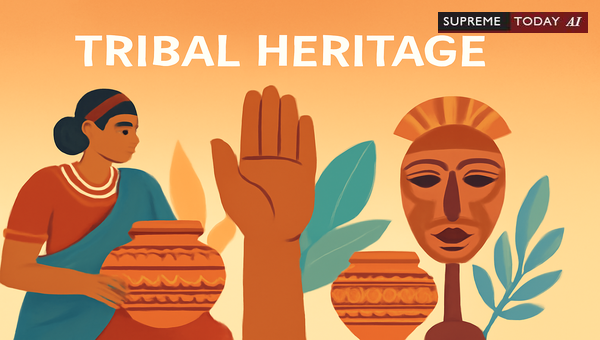
Challenges Tribal People Face in Protecting Handicrafts
Tribal communities in India are renowned for their rich cultural heritage, particularly their exquisite handicrafts that embody centuries-old traditions, stories, and skills. From intricate weaves and pottery to bamboo crafts and jewelry, these artifacts are not just products but vital expressions of identity and livelihood. Yet, what are the challenges faced by tribal people in protecting handicrafts? In an era of globalization, commercialization, and environmental pressures, safeguarding these treasures poses significant hurdles. This post delves into the legal landscape, drawing from and broader principles to highlight obstacles and potential pathways forward.
While direct case law on handicrafts is limited, courts have consistently upheld principles of cultural respect, social justice, and community rights that implicitly support their protection. These frameworks address exploitation, misappropriation, and neglect—key threats to tribal crafts. Note: This is general information based on legal analyses and not specific legal advice. Consult a qualified lawyer for personalized guidance.
Key Challenges in Protecting Tribal Handicrafts
Tribal artisans often grapple with multifaceted issues that undermine their ability to preserve and profit from handicrafts:
- and Imitation: Mass-produced replicas by non-tribal entities dilute authenticity and economic value.
- Exploitation by Middlemen: As noted in tourism-related cases, the tribal community are the most vulnerable people and the projects are commenced in their name, spending large amounts. However, the tribal communities are not benefited and only the middle men are benefited. 2021 0 Supreme(Ker) 138
- Land and Resource Loss: Encroachments and forest restrictions limit access to raw materials, with over 5,000 hectares of forest land in Kerala under encroachment, balancing ecological and socio-economic needs. 2025 Supreme(Online)(NGT) 251
- Socio-Economic Backwardness: Limited education, market access, and recognition hinder promotion, as tribal people live in wretched conditions and they had hardly any access to education. 2013 0 Supreme(Gau) 123
- Lack of Legal Recognition: No explicit statutes target handicrafts, forcing reliance on broader rights under the Constitution and welfare schemes.
These challenges intersect with legal protections for tribal dignity and heritage, offering a foundation for advocacy.
Legal Framework Supporting Tribal
Indian jurisprudence emphasizes safeguarding indigenous identities, which extends to handicrafts as cultural expressions. The Main Legal Finding from analyzed documents highlights broader principles related to social backwardness, cultural respect, and community participation, which can be interpreted to support the protection and promotion of indigenous cultural practices, including traditional crafts. Key points include:
- Recognition of social and educational backwardness, including cultural factors. 1973 0 Supreme(SC) 8
- Respect for tribal dignity against discrimination. 2011 1 Supreme 1
- Community involvement in cultural preservation. 2014 0 Supreme(Mad) 1414
The Constitution's under Part IV mandate the State to promote the welfare of the people by securing and protecting effectively as it may a social order in which justice, social, economic and political, shall inform all...
, underscoring duties toward tribals.
Detailed Analysis from Landmark Judgments
Social and Educational Backwardness
acknowledge backwardness beyond birthplace, encompassing social and educational backwardness, which can include cultural and traditional factors. 1973 0 Supreme(SC) 8 This supports affirmative measures for tribal crafts, vital for economic upliftment amid challenges like stalled projects benefiting only middlemen. 2021 0 Supreme(Ker) 138
Respecting Tribal Dignity
Courts stress giving proper respect and place to tribal people, especially in cases involving acts of violence or discrimination. 2011 1 Supreme 1 Extending this to crafts prevents misuse, aligning with and ongoing stigma: even though after Independence... the perception amongst people that members belonging to these tribes are criminals has yet not changed. 2022 Supreme(Online)(DEL) 3152
Community Participation in Cultural Practices
In festival cases, courts directed festivals be conducted in traditional manners, with participation from all groups and communities, promoting cultural continuity. 2014 0 Supreme(Mad) 1414 Similar logic applies to handicrafts, where community-led preservation counters vulnerabilities in tribal belts lacking land titles. 2024 0 Supreme(Gau) 1401
Insights from Additional Legal Sources
Broader judgments reinforce these themes:
Forest and Land Rights: The , grants rights to tribals on forest lands pre-, but eviction challenges persist: The State Government is committed to protecting forest resources while balancing the socio-economic issues faced by the encroachers. 2025 Supreme(Online)(NGT) 251 Raw materials for crafts often come from such areas, making access critical.
Socio-Economic Development: The challenges in the field of socioeconomic development of Tribal, undoubtedly, are critical... requiring institutes for heritage protection and awareness. 2022 0 Supreme(Pat) 528
Protected Communities: Notifications under protect tribal belts, ensuring compliance for inclusion. 2024 0 Supreme(Gau) 1401
Vulnerable Populations: Tribal access to amenities and education remains limited, exacerbating craft preservation issues.
US cases like 2024 Supreme(US)(ca8) 123 highlight tribal burdens but parallel India's state interests in public welfare.
These sources illustrate systemic barriers: resource scarcity, exploitation, and inadequate policy, indirectly impacting handicraft sustainability.
Implications and Exceptions
While principles favor protection, exceptions exist—no direct provisions for crafts, focusing instead on backwardness and festivals. Specific mechanisms need development, as implied obligations alone may not suffice against modern threats like imitation or market floods.
Recommendations for Enhanced Protection
To address these challenges:
- Explicitly recognize handicrafts in policies as cultural heritage, akin to festival rights. 2014 0 Supreme(Mad) 1414
- Promote community cooperatives to bypass middlemen, ensuring benefits reach artisans. 2021 0 Supreme(Ker) 138
- Enforce for authenticity, building on dignity principles. 2011 1 Supreme 1
- Integrate craft promotion in Forest Rights and tribal welfare schemes for resource access. 2025 Supreme(Online)(NGT) 251
- Establish research institutes for skill preservation and market linkage. 2022 0 Supreme(Pat) 528
Courts can direct participation and anti-exploitation measures, fostering legal evolution.
Conclusion and Key Takeaways
Tribal people face profound challenges in protecting handicrafts—exploitation, resource loss, and legal gaps—but judicial emphasis on cultural respect offers hope. By leveraging principles from cases like 1973 0 Supreme(SC) 8, 2011 1 Supreme 1, and 2014 0 Supreme(Mad) 1414, advocates can push for robust safeguards.
Key Takeaways:- implicitly cover handicrafts.- Community participation is judicially mandated.- Policy reforms are essential for direct protection.
This analysis, drawn from provided documents, underscores the need for proactive steps. Stay informed on tribal rights to support preservation efforts.
References:1. 1973 0 Supreme(SC) 8 – Social backwardness reservations.2. 2011 1 Supreme 1 – Tribal dignity.3. 2014 0 Supreme(Mad) 1414 – Cultural participation.4. Additional sources as cited inline.
#TribalHandicrafts, #IndigenousRights, #CulturalPreservation















