


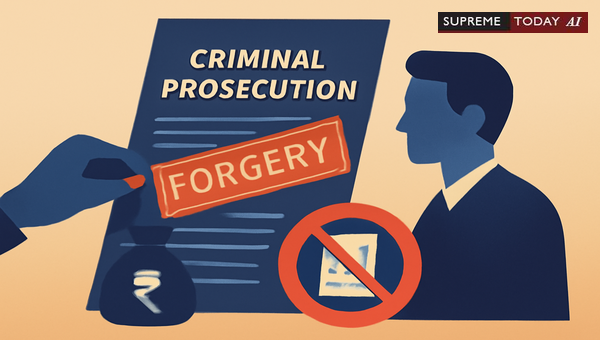
Can IPC Sections 420 and 468 Stand Together in the Same Transaction?
In the complex world of Indian criminal law, questions often arise about whether multiple provisions can apply to a single transaction. A common query is: Whether s 420 IPC and s 468 will stand together in the same transaction? This issue pits the substantive offense of cheating under Section 420 IPC against procedural limitations, often interpreted under . Understanding this interplay is crucial for litigants, lawyers, and anyone facing cheating allegations.
This blog post breaks down the legal framework, key judgments, exceptions, and practical insights. Note: This is general information based on precedents and not specific legal advice. Consult a qualified lawyer for your case.
What is Section 420 IPC? Cheating and Dishonest Inducement
addresses . It criminalizes acts where someone deceives another with fraudulent intent, leading to wrongful loss or gain.
Key elements include:- Dishonest inducement or false representation.- Delivery of property or alteration of rights.- Intent to cheat from the inception of the transaction. 1962 0 Supreme(SC) 309
As highlighted in judicial interpretations, proof of from the inception is crucial for conviction under Section 420. 1962 0 Supreme(SC) 309 The punishment is imprisonment up to 7 years and/or fine, making it a serious .
Common scenarios involve business frauds, loan defaults, or property deals gone wrong, often paired with forgery charges.
Understanding Section 468: The Limitation Angle
Section 468, frequently discussed in limitation contexts ( Chapter XXXVI), bars prosecution for offenses punishable with less than 3 years' imprisonment if not initiated within specified periods—typically 3 years for offenses like those under Section 420. 1981 0 Supreme(Bom) 320
Important points:- It's a , not a .- For offenses exceeding 1 year's punishment, the limit is 3 years from the offense date.- : When multiple offenses are tried together, limitation is computed based on the more severe offense with longer period or higher punishment. 1981 0 Supreme(Bom) 320
This provision is pivotal, as it allows Section 420 prosecutions to proceed beyond standard limits if bundled with graver charges.
Can Sections 420 and 468 Stand Together?
Yes, they can stand together in the same transaction, but applicability hinges on timing, offense nature, and trial context. Section 420 defines the cheating offense, while Section 468 governs prosecution timelines—they target different facets (substantive vs. procedural). 1981 0 Supreme(Bom) 320
- Core Compatibility: Cheating under 420 remains prosecutable if within limits or exceptions apply.
- Limitation Waiver: or extend periods. The judgment states, offense under section 420 IPC not covered by limitation when tried along with other offenses that are not barred by limitation. 1981 0 Supreme(Bom) 320
In practice, courts assess if the 420 act falls within 3 years or qualifies under the proviso.
Judicial Interpretations and Precedents
Courts have clarified this repeatedly:- In 1981 0 Supreme(Bom) 320, the court ruled that Section 420 charges survive limitation when tried with non-barred, severe offenses, applying the Section 468 proviso.- Similarly, 2009 8 Supreme 225 notes extensions for multiple offenses, emphasizing severe punishments. 2009 8 Supreme 225
Other cases reinforce joint applicability:- FIRs often invoke 420 alongside 467/468/471 (forgery-related), as in land disputes where cheating and forged documents form one transaction. 2023 0 Supreme(MP) 713 The court noted a trend... to get an F.I.R. registered u/S 420, 467 and 468 etc of I.P.C. to pressure parties, urging caution against civil-criminal conversions. 2023 0 Supreme(MP) 713- In electricity theft cases, charges under 420/468/471 were quashed post-compounding, highlighting comprehensive statutes overriding IPC if applicable. 2018 0 Supreme(Bom) 189
Insights from Related Cases
Several precedents show 420 and 468 (often IPC forgery context) charged together:
- Granted: In loan default disputes, petitioners got bail in 420/468/471 cases as evidence was documentary and recoveries complete. 2022 0 Supreme(Del) 63
- Quashing on Settlement: Proceedings under 420/467/468 quashed after 'no objection certificate' via , per . 2013 0 Supreme(UK) 802
- Further Investigation Allowed: Magistrates can order probes under in 420/468/471 cheating-forgery cases. 2014 0 Supreme(Del) 1943
- Acquittals for Lack of Proof: Conspiracy/420/468 charges dropped without direct evidence, even in murder-linked trials. 2019 0 Supreme(P&H) 976
These illustrate real-world bundling, often with forgery (IPC 468), but limitation ( 468) defenses succeed on facts.
Multiple FIRs in Jaipur cases combined 420/467/468/471 with 120-B, showing routine joinder.
Exceptions and Practical Considerations
Limitation isn't absolute:- : Ongoing cheating resets the clock.- : Proviso favors severe offense timelines. 1981 0 Supreme(Bom) 320- Waivers: Courts extend for justice, especially fraud.
Recommendations:- Check offense date vs. FIR filing.- Assess if part of multi-offense trial.- Gather proof of intent or settlement for defenses.- Avoid misuse: Courts quash frivolous 420/468 FIRs from civil disputes. 2023 0 Supreme(MP) 713
Key Takeaways
- Sections 420 IPC and 468 (limitation/procedural) generally coexist, especially in with severe charges.
- Success depends on facts, timing, and provisos— under Section 468 IPC can be extended or waived in cases involving multiple offenses. 2009 8 Supreme 225
- Paired often with forgery (IPC 468), but focus on evidence of deceit.
For prosecutions or defenses, timing is everything. Stay informed on evolving jurisprudence to navigate these provisions effectively.
References:1. 1981 0 Supreme(Bom) 320: Limitation waiver in .2. 1962 0 Supreme(SC) 309: Intent in 420.3. 2009 8 Supreme 225: Extensions for multiples.4. 2023 0 Supreme(MP) 713, 2018 0 Supreme(Bom) 189, etc., for contextual cases.
This analysis draws from reported judgments; outcomes vary by case specifics.
#IPCLaw #CheatingCase #CriminalLimitation












