


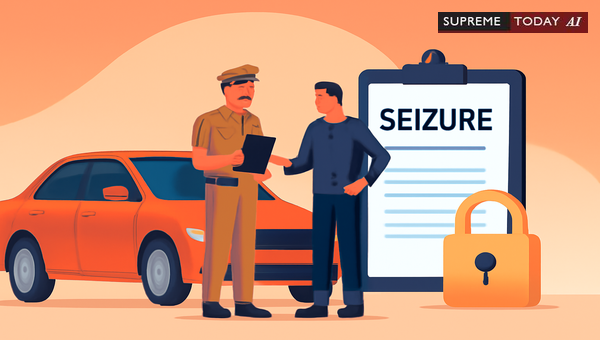
Vehicle : Not Confiscated in Every Case - Indian Legal Insights
In the realm of traffic enforcement and regulatory compliance in India, vehicle owners often face the anxiety of seizures due to alleged contraventions. A common question arises: In Every Case Vehicles Need Not be Ceased? The shorthand for this is clear— does not automatically mean permanent . This blog post delves into the nuanced legal framework governing vehicle seizures, drawing from judicial precedents and statutory provisions to clarify when vehicles can be released and under what conditions proceedings must proceed.
Understanding this is crucial for vehicle owners, transport businesses, and legal practitioners, as delays or unjustified seizures can lead to significant financial losses. We'll explore key principles, timelines, mechanisms, and related aspects like tax liabilities during custody, all while emphasizing that this is general information and not specific legal advice—consult a qualified lawyer for your situation.
Overview of Vehicle and in India
Under Indian laws, particularly those related to motor vehicles and transport regulations, authorities may seize vehicles suspected of violations, such as operating without permits. However, is distinct from . turns the vehicle into state property, which can be sold with proceeds going to the government, unless the owner pays a fine for . Importantly, not all seized vehicles need to be confiscated—they may be released pending or after proceedings if conditions are met.
The legal framework prioritizes fairness, preventing indefinite retention of valuable assets. Courts have stressed that proceedings should ideally be completed within of to avoid unnecessary delays and protect public interest, even absent a statutory mandate. 1982 0 Supreme(Ker) 94
Key Conditions for Vehicle
of seized vehicles is not discretionary but guided by law:
- Pending Proceedings: Vehicles can be released to the owner if they furnish security or meet other stipulations during hearings. 1982 0 Supreme(Ker) 94
- No Order: If proceedings do not result in , the vehicle must be released to the owner.
- Judicial Directives on Delays: In cases where vehicles seized as early as languished without timely proceedings, courts ordered if not resolved within specified timeframes. This underscores the principle against prolonged detention. 1982 0 Supreme(Ker) 94
Allegations of have surfaced, but courts require evidence of violations like permit breaches to uphold them—no substantiation means potential challenges succeed. 1995 0 Supreme(AP) 560
Time Limits and Procedural Safeguards
Timeliness is a cornerstone:
- Two-Month Guideline: Courts advocate completing within post-, viewing delays as contrary to public interest and risking property devaluation. 1982 0 Supreme(Ker) 94
- Monitoring by Counsel: Legal representatives should track proceedings to enforce this, challenging unjustified holds.
In one RTI query, respondents admitted no machinery or vehicles have been ceased, highlighting that seizures aren't universal or routine. 2017 0 Supreme(Raj) 856
Vehicles in Police Custody: Tax and Liability Implications
often leads to police custody, raising questions on ongoing obligations:
- Tax Exemption During Custody: When vehicles are in custody for reasons other than non-payment of tax, owners are generally not liable for motor vehicle tax during that period. However, tax-related seizures keep liability intact, and Form G filing under Motor Vehicles Taxation Rules isn't needed. 2024 0 Supreme(Ker) 1537
- Non-Usage and Tax Relief: The Supreme Court in Bolani Ores ruled that tax applies only to vehicles used or kept for use on public places. Non-plied vehicles exempt owners from payment, as states can't perpetually monitor usage. 2022 0 Supreme(AP) 485 2022 0 Supreme(AP) 484
These provisions balance enforcement with owner rights, ensuring custody doesn't compound financial burdens.
Disposal of Seized Vehicles and Best Practices
Seized vehicles are treated as valuable assets:
- Procedural Steps: Post-judgment, prepare a and initiate immediate disposal for old or case-ended vehicles to avoid accumulation. 2025 0 Supreme(All) 2273
- Periodic Checks: Even company vehicles used officially require permits under rules like , Rule 172(4)(a), and need periodical check-ups, restricting use otherwise. 2008 0 Supreme(Mad) 3257 2008 0 Supreme(Mad) 3260
Owners should contest seizures lacking justification, as indiscriminate actions lack evidential backing. 1995 0 Supreme(AP) 560
Related Regulatory Contexts
Vehicle laws extend beyond seizures:
- Licence Renewals: Renewals within 1-5 years post-expiry typically waive competence tests under Sections 9(3)(a)(i) and 15(4) of the . 2024 0 Supreme(Ker) 185 2024 Supreme(Online)(KER) 15603 2024 Supreme(Online)(Ker) 64358
- Safety Standards: The Act and mandate fittings like lights, with exemptions for certain goods vehicles. 2024 0 Supreme(Ker) 1227
- Transport Definitions: No common passenger purpose needed for transport vehicles; individual fares suffice without route deviations. 2024 0 Supreme(Ker) 921
In hit-and-run claims, applies summarily, bypassing standard timelines. 2025 0 Supreme(AP) 813
Conclusion and Key Takeaways
The principle is unequivocal: vehicles need not be ceased (seized) or confiscated in every case. Indian courts protect owners through options, strict timelines, and liability reliefs during custody. Timely proceedings—ideally within —prevent abuse, while tax exemptions for non-use or non-tax custody offer relief. 1982 0 Supreme(Ker) 94
Key Takeaways:- Monitor progress actively.- Challenge baseless seizures with evidence.- Understand custody doesn't trigger all liabilities.- Comply with permits, checks, and renewals to avoid issues.
This framework promotes efficiency and fairness. For personalized guidance, seek professional legal counsel. Stay informed, drive compliant.
References:1982 0 Supreme(Ker) 94 1995 0 Supreme(AP) 560 2017 0 Supreme(Raj) 856 2024 0 Supreme(Ker) 1537 2022 0 Supreme(AP) 485 2022 0 Supreme(AP) 484 2025 0 Supreme(All) 2273 2008 0 Supreme(Mad) 3257 2008 0 Supreme(Mad) 3260 2024 0 Supreme(Ker) 185 2024 Supreme(Online)(KER) 15603 2024 Supreme(Online)(Ker) 64358 2024 0 Supreme(Ker) 1227 2024 0 Supreme(Ker) 921 2025 0 Supreme(AP) 813
#VehicleSeizure #IndianMotorLaw #VehicleConfiscation












