


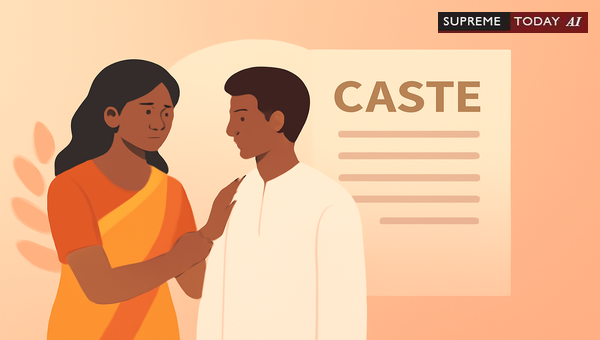
Does a Woman's Caste Change After Marriage in India?
In a diverse society like India, where caste plays a significant role in social, legal, and reservation contexts, questions about post-marriage often arise. A common query is: Does a woman's caste change after marriage? This issue touches on inheritance, , and social status, making it crucial for individuals navigating or seeking .
This blog post delves into authoritative Indian , explaining why a woman's caste typically remains unchanged by marriage. We'll explore key and rulings, exceptions, and practical implications. Note: This is general information based on and not specific legal advice. Consult a qualified lawyer for personalized guidance.
Core Legal Principle: Caste is Determined by Birth
Indian law firmly establishes that caste is acquired by birth and is , not altered by marriage or adoption. The has repeatedly affirmed this in landmark cases. For instance, in Rameshbhai Dabhai Naika, the Court stated: The caste is determined by birth and the caste does not undergo a change by marriage or adoption. 2008 0 Supreme(AP) 127
Similarly, in , it was reiterated: The caste is determined by birth and the caste cannot be changed by marriage with a person of Scheduled Caste. 2022 0 Supreme(Jhk) 1196
Marriage may foster , but it does not automatically transfer a woman into her husband's caste. This holds especially true for (SC) or (ST), where the law rejects the idea that marrying into a erases original caste status. 2008 0 Supreme(Del) 1145 2012 0 Supreme(SC) 53 2022 0 Supreme(Jhk) 1196 2014 0 Supreme(Guj) 209
Key Judicial on Caste and Marriage
and
The case of clarified that marriage does not transplant a woman into her husband's caste; caste is inherited by birth. 2008 0 Supreme(Del) 1145
In , the Court noted: A woman on marriage becomes a member of the family of her husband and thereby she becomes a member of the caste to which she has moved. But recognition by the community is not sufficient to change her caste status for reservation purposes. 2008 0 Supreme(Del) 1145
These rulings emphasize that post-marriage does not legally alter caste for benefits like .
Rameshbhai Dabhai Naika and
Rameshbhai Dabhai Naika further elaborates that while there's often a presumption children inherit the father's caste in inter-caste marriages, this is based on and upbringing. 2008 0 Supreme(AP) 127
A Full Bench of the in Rajendra Shrivastava held: When a woman born in a Scheduled Caste or a Scheduled Tribe marries to a person belonging to a , her caste by birth does not change by virtue of the marriage. 2022 0 Supreme(Bom) 1597 2024 0 Supreme(Gau) 1315
The echoed this in another decision: caste is a matter of birth, and mere marriage does not confer status. 2021 0 Supreme(All) 508
Exceptions and Peculiar Circumstances
While the general rule is clear, courts have acknowledged nuances:
Children's Caste in Inter-Caste Marriages: Presumption favors the father's caste, but evidence of upbringing by the mother's community, , and community acceptance can rebut it. For example, if a mother from an SC/ST is abandoned and raises the child in her community, the child's caste may align with hers. 2022 0 Supreme(Bom) 1597 2008 0 Supreme(AP) 127
and Enquiry: Caste claims require proper enquiry, , and living within the community's tenets. In a Kerala case involving the Paniya community, courts stressed thorough fact-based assessments. 2023 0 Supreme(Ker) 574
Reconversion or Customs: Rare customary practices might influence status, but not mere marriage. Historical Privy Council views suggesting change have been overruled by modern jurisprudence. 2008 0 Supreme(Del) 1145
Importantly, for , the focus remains on birth caste and associated disabilities, not marital status. 2015 0 Supreme(Gau) 623 2015 0 Supreme(Jhk) 897
Implications for and
are issued based on birth records and social status proof. A woman cannot claim her husband's caste solely via marriage for jobs or education quotas. In one case, a woman born to OBC parents who married an ST man was denied ST benefits, as her birth caste prevailed. 2015 0 Supreme(Gau) 623
Conversely, in peculiar scenarios like maternal upbringing due to abandonment, maternal records may support the child's claim. The court quashed a certificate cancellation, directing reliance on the mother's SC status. 2022 0 Supreme(Bom) 1597
For elections or appointments, similar principles apply. A non-SC woman cannot contest SC-reserved seats by marriage. 2012 0 Supreme(All) 1132
Contradictions from Older Views and Modern Clarity
Earlier decisions hinted at marital influence, but contemporary rulings prioritize birth. Social reality evolves, but law adapts cautiously, especially for .
2023 0 Supreme(MP) 99
Inter-caste marriages may face family pressures, as seen in where secrecy was maintained due to caste differences.
Recommendations and Key Takeaways
- Documentation: Rely on birth caste records for certificates; substantiate changes with evidence of disabilities and acceptance.
- Avoid Assumptions: Marriage alone doesn't qualify for spousal caste benefits.
- Seek Proper Channels: For validity certificates, ensure thorough enquiries.
In summary, Indian courts consistently hold that a woman’s caste does not change automatically by marriage. It remains tied to birth and lineage, safeguarding reservation integrity while considering social realities in exceptions. 2008 0 Supreme(Del) 1145 2008 0 Supreme(AP) 127 2021 0 Supreme(All) 508
Final Note: Laws and interpretations can evolve. This overview draws from like those listed; always verify with current authorities or legal experts for your situation.
#CasteAfterMarriage #IndianLaw #ReservationRights















