
 Back
Back





IN THE HIGH COURT OF MADHYA PRADESH AT INDORE
SUBODH ABHYANKAR, J.
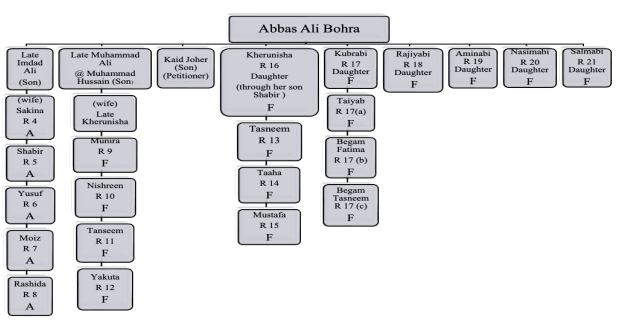
Kaid Johar - Appellant
Versus
Revenue Department And Others - Respondent
Writ Petition No. 10734 of 2020
Decided On : 13-08-2025
ORDER :
SUBODH ABHYANKAR, J.
1] Heard.
2] This writ petition has been filed by the petitioner under Article 226 of the Constitution of India seeking the following reliefs:-
“a. The order dated 03.06.2019 (Annexure P/11) passed by the Additional Collector, Neemuch in Revision Case No. 29/2019-20, the order. dated 10.06.2019 (Annexure P/15) passed by the SDO, Neemuch in Appeal Case No.7112017-18 as also the order (Annexure P/18) dated 18.03.2020 passed by the Additional Commissioner, Ujjain in Appeal Case No.322/2019-20 be set aside by issuance of a writ in the nature of certiorari or by any other appropriate writ, order or direction in exercise of writ jurisdiction of this Hon’ble Court;
b. Costs of the petition be awarded to the petitioner from the respondents; and
c. Any other relief which this Hon'ble Court may deem fit in the facts of the present case be granted in favour of the petitioner.”
3] Brief facts of the case are that a dispute arose between the parties regarding mutation in respect of agricultural land bearing Khata No. 1677 (comprising of survey nos. 382/2and 435), Khata No. 178 (comprising of survey nos.382/2, 384and 433) of village Manasa, District Neemuch and Khata no. 338 (comprising of survey Nos. 196 and 197) of village ‘Rampuriya, Tahsil Manasa, District Neemuch.
4] The aforesaid lands originally stood recorded in the name of petitioner’s father Abbas Ali Bohra. After the death of Abbas Ali Bohra in the year 2005, the petitioner Kaid Johar submitted an application on 12.01.2006, before the Tahsildar, Manasa for mutation of his name in the revenue records pertaining to the aforesaid lands, which was registered as Case No. 30/A-6/2005-06.
5] A perusal of the application will show that the petitioner (Kaid Johar) had made a prayer for mutation of his name only for the reason that the petitioner's brother Imdad Ali had separated from the family of Late Abbas Ali during his lifetime and had already received his share in the form of other lands, cash and valuables etc. from Late Abbas Ali, and consequently, he (Imdad Ali) gave his consent for mutating the name of the petitioner.
6] The other son of Late Abbas Ali, namely Mohammad Hussain had passed away during the life time of Abbas Ali, and the heirs (Respondent No. 9 to 12) of Mohammad Hussain were living with and were being taken care of by the petitioner Kaid Johar and, therefore, they had submitted their consent for mutation of petitioner’s name. Similarly, all the heirs i.e.daughters of Late Abbas Ali namely , (i)Kherunissa (w/o Saifuddin Bohra) (ii) Kubrabi, (iii) Rajiyabi,(iv) Aminabi, (v) Nasima and (vi) Salma (Respondents No.16 to 21) were also leading happy married life and had given their consent for mutation of petitioner’s name in the revenue records. Copies of the documents in respect of the written consent submitted by the other heirs namely Imdad Huissain (brother), Tasnim, Nishreen, Munira, Yakuta (Daughters of Late Mohammad Hussain), Kherunisa, (wife of late Mohammad Hussain) Kherunisa, Kubra, Rajiya, Nasima, Amina, Salma daughters of Late Abbas Ali before the Tahsildar, which are also filed on record.
7] The Tahsildar thereupon issued the proclamation u/s 110(3) of the Code of 1959 and recorded the statements of the petitioner, and as no objection was received in respect of the prayer for mutation made by the petitioner, the Tahsildar passed an order dated 22.03.2006, whereby a direction was given for mutation of petitioner's name in the revenue records pertaining to the aforesaid lands in place of Late Abbas Ali.
8] On the basis of the mutation order dated 22.03.2006 passed by the Tahsildar, the name of the petitioner was entered in the revenue records pertaining to the aforesaid lands. After the land comprised in survey nos. 196 and 197 of village Rampuriya was got diverted by the petitioner and after duly obtaining the development permissions from the concerned departments, the petitioner developed a colony known as “GurukripaVihar” on aforesaid surv
AI
Deemed consent applies when heirs benefit from a mutation order and remain silent, barring later challenges after significant delays.


Mutation orders require evidence of possession through lawful transfer, and failure to consider possession invalidates such orders.

The mandatory reporting of acquisition of legal right and interest within 6 months, the jurisdiction of revenue courts in mutation proceedings, and the principle of estoppel were central legal points....

Writ petitions against mutation orders are maintainable if they violate natural justice or are issued without jurisdiction, reaffirming the need for proper procedural adherence in land revenue matter....


Revenue authorities must effect mutation based on registered civil court consent decrees without adjudicating title, probate, prohibitory orders, or registration issues, as proceedings are fiscal onl....


The main legal point established in the judgment is that the statutory procedure for mutations and service of summons must be followed, and events and circumstances after the expiry of the limitation....



An indispensable Tool for Legal Professionals, Endorsed by Various High Court and Judicial Officers
Please visit our Training & Support
Center or Contact Us for assistance

Scan Me!
India’s Legal research and Law Firm App, Download now!


For Daily Legal Updates, Join us on :



 Back to top


