
 Back
Back





IN THE HIGH COURT AT CALCUTTA
RAJASEKHAR MANTHA, RAI CHATTOPADHYAY, JJ.
Manindra Nath Mishri – Appellant
Versus
The State of West Bengal & Anr. – Respondent
CRA 719 of 2016 With CRAN 2 of 2026
Decided On : 11-05-2026
| Table of Content |
|---|
| 1. conviction under ipc sections 302 and 498a. (Para 1 , 2 , 3 , 55) |
| 2. motive established through domestic discord and extramarital relations. (Para 4 , 12 , 13 , 14 , 15 , 16 , 17 , 18 , 45) |
| 3. assessment of witness testimony and prosecution evidence. (Para 5 , 6 , 7 , 8 , 9 , 10 , 11 , 19 , 20 , 21 , 22 , 23 , 24 , 25 , 26 , 27 , 28 , 29 , 30 , 31 , 32 , 33 , 44 , 46) |
| 4. evaluation of child witness capability and conduct. (Para 34 , 35 , 36 , 37 , 38 , 39 , 40 , 41 , 42 , 43 , 74 , 75 , 77 , 78 , 79 , 80 , 81 , 82 , 84 , 85 , 93 , 94) |
| 5. defense evidence regarding financial status and conduct. (Para 47 , 48 , 49 , 50 , 51 , 52 , 53 , 54 , 83) |
| 6. procedural validity of investigation and fir. (Para 56 , 57 , 58 , 59 , 60 , 61 , 62 , 63 , 64) |
| 7. corroboration of hearsay and earlier statements. (Para 65 , 66 , 67 , 68 , 69 , 70 , 71 , 72 , 73) |
| 8. medical evidence confirming homicidal strangulation and last seen theory. (Para 86 , 87 , 88 , 89 , 90 , 91 , 92 , 95 , 96 , 97 , 98 , 99 , 100 , 101 , 102 , 103 , 104 , 105 , 106 , 107 , 108 , 109 , 110 , 111 , 113) |
| 9. upholding conviction and dismissing the appeal. (Para 114 , 115 , 116) |
Judgment :
Rajasekhar Mantha, J.
1. The subject appeal is directed against the judgment of conviction dated December 5th, 2016 and order of sentence dated December 6th 2016 passed by the Additional Sessions Judge, Fast Track Court, Haldia Purba Medinipur in Sessions Trial No. 89 of 2014. The appellant was convicted under sections 302 and 498A, IPC.
2. For the commission of the offence under Section 302, IPC, the appellant was sentenced to a rigorous imprisonment for life and pay a fine of Rs. 10,000/-. In default, to further undergo a rigorous imprisonment for 6 months.
3. For the offence under Section 498A, IPC, he was sentenced to rigorous imprisonment for 2 years and pay a fine of Rs 10 000/-. In default, he was to further undergo a rigorous imprisonment for 6 months. The 50% of the fine amount, if realized, was directed to be paid to PW 1, the father of the victim.
THE PROSECUTION CASE AND EVIDENCE ON RECORD
4. The husband of the victim strangulated the latter to death at her matrimonial home. The victim failed to bring money from her parental home. Prior to the death of the victim, the appellant used to torture her since she protested against the extra-marital affairs of the appellant. The appellant was the permanent employee of the India Oil Corporation.
5. On June 6th, 2013, around 7 A.M., the appellant informed PW 1, the father of the victim, over the telephone that the victim had committed suicide. PW 1 reached the PO and found that the victim is lying dead on the floor. He found a napkin is hanging over the ceiling fan.
6. PW 1 came to learn from his grandson, PW 10, that the appellant, on the last night, had taken the victim to a separate room, drew them out (children of the victim), and mercilessly beat the victim. The victim was crying for help, which, however, stopped after some time.
7. Based on the above, PW 1 lodged the complaint dated June 7th, 2013. It culminated into the FIR no. 75 of 2013 dated June 7th, 2013, under Section 498A and 302 of the IPC, lodged by Haldia PS, Purba Medinipur.
8. The inquest on the body of the victim and PO was conducted on June 6, 2013, by PW 8, the ASI of the said Haldia PS. The inquest report recorded that the appellant found the victim hanging from the ceiling fan. The victim hanged herself by a napkin. It found one black bent mark on the throat of the victim. The victim was found wearinga sanitary pad. A black coloured T-shirt and white pyjama were lying near the body of the victim kept on the floor.
9. The inquest report indicates that the witnesses present at the PO have stated that the victim has committed suicide. PW 1, the father of the victim, was an inquest witness.
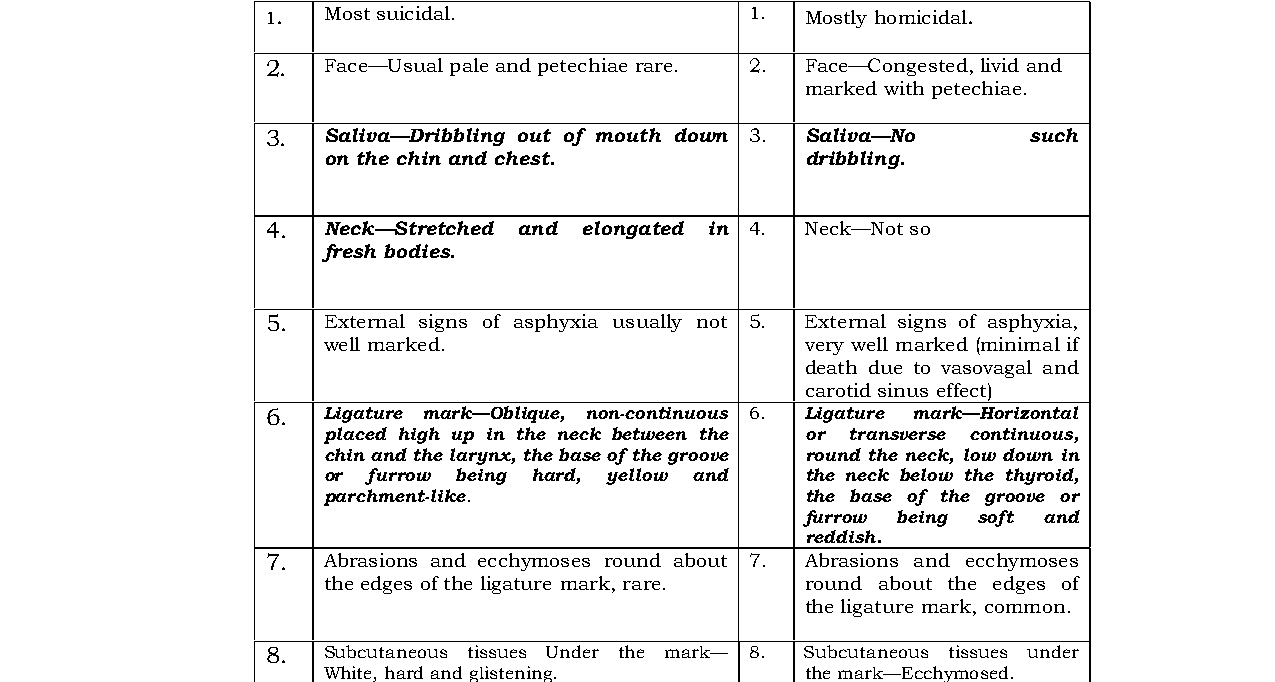
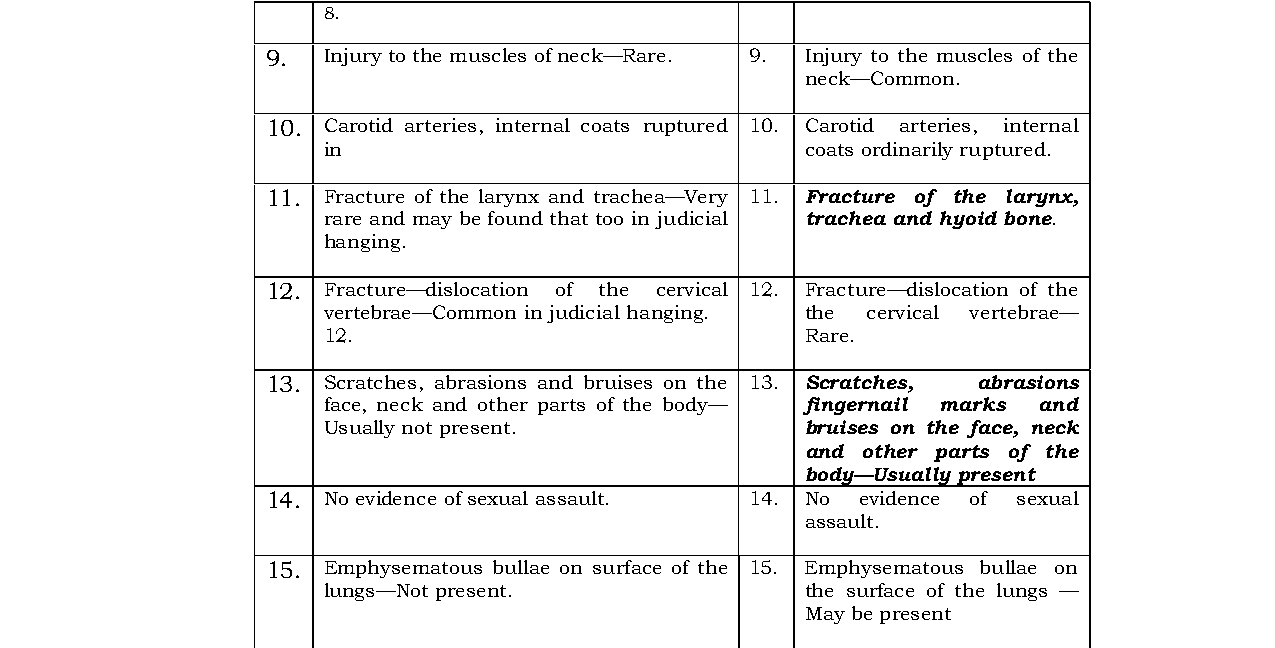
10. Post mortem was conducted on June 6th, 2013, by PW 12. He has deposed that the death was caused by violent asphyxia. The death is most likely homicidal. Some scratch marks were fou
AI


In the absence of any corroborating evidence, it would be highly unsafe to the award conviction for committing murder solely on the basis of medical evidence.

The prosecution must prove guilt beyond reasonable doubt; circumstantial evidence must negate the innocence of the accused, which was not established in this case.

Right to life and liberty of a citizen which is a precocious right enshrined and guaranteed by the Constitution of Indian in Article 21 and being a fundamental right assured to the citizen it cannot ....

The conviction for murder upheld, highlighting that circumstantial evidence and established patterns of cruelty can substantiate claims beyond reasonable doubt.

Prosecution has sufficiently established this fact - Court not inclined to interfere with judgment and order passed by the trial Court.



An indispensable Tool for Legal Professionals, Endorsed by Various High Court and Judicial Officers
Please visit our Training & Support
Center or Contact Us for assistance

Scan Me!
India’s Legal research and Law Firm App, Download now!


For Daily Legal Updates, Join us on :



 Back to top


