SupremeToday Landscape Ad

AI Overview

AI Overview...

  • Amendments to the Negotiable Instruments Act (N.I Act) - The Act was amended through the Banking, Public Financial Institutions and Negotiable Instruments Laws (Amendment) Act, 1988, which inserted Chapter XVII (Sections 138 to 142) effective from 01.04.1989, criminalizing dishonor of cheques due to insufficient funds and emphasizing speedy trial and summary proceedings ["2025 0 Supreme(Cal) 714"] ["2025 0 Supreme(Cal) 883"]. Additionally, the Negotiable Instruments (Amendment and Miscellaneous Provisions) Act, 2002, further amended Sections 138, 141, and 142, and inserted Sections 143 to 147, aiming to facilitate swift disposal of cheque dishonor cases and making them compoundable ["2025 0 Supreme(Cal) 714"] ["2025 0 Supreme(Cal) 883"].

  • Main Points of the Amendments:

  • Section 138 criminalizes dishonor of a cheque due to insufficient funds, intending to prevent dishonest practices by the drawer ["2025 0 Supreme(Cal) 714"].
  • The amendments introduced provisions for summary trials and made offences under Section 138 compoundable, promoting faster justice ["2025 0 Supreme(Cal) 714"].
  • Sections 143 to 147 were added to specify procedures, including compounding offences and addressing procedural issues ["2025 0 Supreme(Cal) 714"].
  • Amendments also clarified that material alterations without consent can render a cheque void, but acknowledged corrections made with consent are not material alterations ["2024 Supreme(Online)(Mad) 62045"] ["2023 0 Supreme(Bom) 5"].

  • Insights on Complaint and Trial Procedures:

  • Complaints under Section 138 must be filed within a specific statutory period, typically within 30 days of the cause of action, and procedural amendments have impacted jurisdiction and admissibility ["2022 Supreme(Online)(Cal) 20"] ["2023 Supreme(Online)(KAR) 6109"].
  • Courts have emphasized that amendments to Sections 142(2) and 143A impact the jurisdiction and procedures for hearing cases, with some rulings clarifying that pending cases after amendments are still valid if filed timely ["2023 Supreme(Online)(KAR) 6109"] ["2024 0 Supreme(Ker) 1068"].
  • Material alterations without drawer’s consent can invalidate the cheque, but acknowledged corrections (e.g., date correction with consent) do not amount to material alterations ["2024 Supreme(Online)(Mad) 62045"] ["2023 0 Supreme(Bom) 5"].

  • Case Law and Judicial Interpretations:

  • Courts have acquitted or convicted based on compliance with procedural requirements, amendments, and whether the offence was made out, with some judgments setting aside convictions upon procedural or legal grounds ["2024 0 Supreme(Guj) 1066"] ["2023 0 Supreme(Raj) 1424"].
  • The Supreme Court and High Courts have upheld the amendments' objective to ensure speedy disposal and have clarified that offences under Section 138 are compoundable, and amendments like Section 143A provide for interim compensation orders ["2024 0 Supreme(Ker) 1068"] ["2024 Supreme(Online)(Mad) 62045"].
  • The amendments also address issues like the limitation period, material alteration, and the admissibility of complaints filed after the amendments, emphasizing the importance of procedural compliance ["2022 Supreme(Online)(Cal) 20"].

  • Analysis and Conclusion:

  • The amendments to the Negotiable Instruments Act, especially post-1988 and 2002, have strengthened the legal framework for dealing with cheque dishonor cases, emphasizing swift prosecution and compoundability ["2025 0 Supreme(Cal) 714"] ["2025 0 Supreme(Cal) 883"].
  • Material alterations without consent can void a cheque under Section 87, but corrections with consent are permissible and do not amount to material alterations ["2024 Supreme(Online)(Mad) 62045"] ["2023 0 Supreme(Bom) 5"].
  • Procedural amendments, including the introduction of Sections 142(2) and 143A, have clarified jurisdiction and trial procedures, with courts affirming the validity of complaints filed within prescribed timelines and in accordance with amended provisions ["2023 Supreme(Online)(KAR) 6109"] ["2024 0 Supreme(Ker) 1068"].
  • Overall, the legal landscape post-amendments aims to balance the rights of complainants and defendants, ensuring effective enforcement while safeguarding against misuse through procedural safeguards and clarification of material alteration and complaint timelines ["2025 0 Supreme(Cal) 714"].

References:- ["2025 0 Supreme(Cal) 714"]- ["2025 0 Supreme(Cal) 883"]- ["2024 Supreme(Online)(Mad) 62045"]- ["2023 0 Supreme(Bom) 5"]- ["2022 Supreme(Online)(Cal) 20"]- ["2023 Supreme(Online)(KAR) 6109"]- ["2024 0 Supreme(Ker) 1068"]- ["2024 0 Supreme(Guj) 1066"]- ["2023 0 Supreme(Raj) 1424"]

Amending Section 138 NI Act Cheque Bounce Complaints for Clerical and Material Errors

Correcting Errors in Section 138 NI Act Complaints: A Comprehensive Guide

In the fast-paced world of business transactions, cheque bounce cases under Section 138 of the Negotiable Instruments Act, 1881 (NI Act) are commonplace. But what happens when a complaint filed under this section contains errors—like a wrong cheque number or date? Can you seek a correction or amendment in a Section 138 NI Act complaint? This is a frequent query for complainants and accused alike, especially given the strict timelines and procedural requirements.

This blog post breaks down the legal principles, judicial precedents, and practical recommendations governing corrections and amendments in such complaints. We'll explore when they're allowed, the procedures involved, and key limitations, drawing from established case law. Note: This is general information based on judicial trends and not specific legal advice. Consult a qualified lawyer for your case.

Understanding Section 138 NI Act Complaints

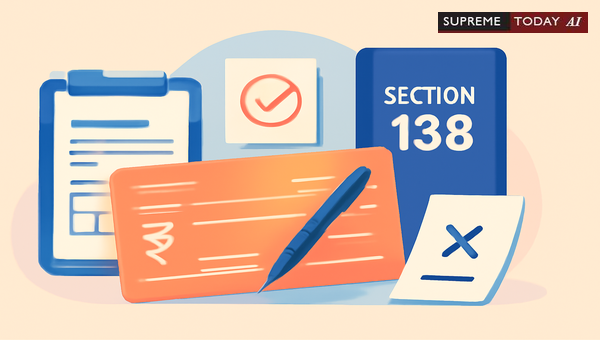
Section 138 NI Act addresses the dishonour of cheques due to insufficient funds or other reasons, imposing criminal liability on the drawer. A complaint must typically include details like the cheque number, date, amount, bank details, and proof of dishonour, followed by a demand notice under Section 138(b).

Errors in these complaints can arise from clerical oversights, but courts balance the need for accuracy with the Act's goal of speedy justice. As seen in various cases, complaints under Section 138 are treated akin to 'applications,' allowing flexibility for bona fide corrections 2019 0 Supreme(All) 370.

Nature of Corrections and Amendments Allowed

Permissible Corrections: Clerical and Typographical Errors

Courts generally permit corrections for bona fide clerical or typographical errors, such as incorrect cheque numbers or dates, provided they don't alter the complaint's substance. For instance:- Corrections in complaints under Section 138 are permissible when they pertain to clerical or typographical errors, such as incorrect cheque numbers or dates, especially if the mistakes are bona fide and do not alter the substance of the complaint 2014 0 Supreme(All) 1995 2014 0 Supreme(MP) 1254.

This flexibility ensures minor slips don't derail legitimate claims. In one case, mentioning the correct cheque number or date was allowed as it was a bona fide mistake without prejudicing the accused 2014 0 Supreme(MP) 1254.

Restrictions on Material Alterations

However, material alterations—like changes to the cheque's date or amount—are under strict scrutiny. Such changes can render the cheque void, impacting the complaint's maintainability:- Amendments related to material alterations in the cheque, such as changes in the date or amount, are subject to strict scrutiny, as material alterations can render the cheque void, affecting the maintainability of the complaint 2022 0 Supreme(All) 1685.

Courts emphasize that amendments shouldn't circumvent legal provisions or introduce new facts altering the offence's nature 2022 0 Supreme(All) 1685.

Procedure for Seeking Corrections

To correct a Section 138 complaint:1. File an application early in proceedings, ideally at the initial stages.2. Provide bonafide reasons and supporting documents, like the original cheque or bank memos.3. Demonstrate no prejudice to the accused or change in core facts 2014 0 Supreme(MP) 1254 2022 0 Supreme(All) 1685.

Courts show flexibility here, especially with the Act's benevolent intent. Corrections, including mentioning the correct cheque number or date, can be allowed, particularly when they are bona fide mistakes and do not prejudice the accused or alter the core facts of the case 2014 0 Supreme(MP) 1254.

Legal Basis for Amendments

Amendments are rooted in principles of liberal construction:- Under the law, the complaint under Section 138 can be considered as an 'application,' and amendments or corrections can be made to facilitate justice, provided they do not go to the root of the case 2019 0 Supreme(All) 370.- The amendments are also supported by the principles of liberal construction, especially considering the benevolent intent behind the provisions of the Negotiable Instruments Act and the amendments made thereto 2019 0 Supreme(All) 370 2009 0 Supreme(Ori) 395.

This approach upholds substantive justice over procedural rigidity.

Limitations and Risks of Amendments

Not all changes pass muster:- Corrections involving material alterations that change the fundamental facts of the cheque, such as altering the date or amount without proper authorization, are generally not permissible and can lead to dismissal or quashing of the complaint 2022 0 Supreme(All) 1685.

In related contexts, courts have quashed complaints for non-compliance with essentials like Section 141 (for companies), underscoring the need for precision: Compliance of the provisions of Section 141 Negotiable Instruments Act is a mandatory requirement and non-compliance of the same renders the complaint not maintainable 2017 0 Supreme(All) 2574.

Impact of 2002 Amendments to the NI Act

The Negotiable Instruments (Amendment and Miscellaneous Provisions) Act, 2002, introduced Sections 143-147, enhancing efficiency:- The legislature inserted new Sections 143 to 147 by the Negotiable Instruments (Amendment and Miscellaneous Provisions) Act, 2002 2025 0 Supreme(Cal) 770.

These changes allow condonation of delays and support a liberal view on corrections if bona fide and non-prejudicial 2023 0 Supreme(MP) 795 2009 0 Supreme(Ori) 395 2019 0 Supreme(All) 370. For example, time limits under Section 142 can be extended with sufficient cause, as in cases interpreting the proviso to Section 142 2019 0 Supreme(All) 872.

Additionally, Section 138 offences are compoundable under Section 147, offering settlement options post-complaint 2025 Supreme(Online)(Jhk) 4226.

Insights from Key Judicial Precedents

Judicial trends reinforce these principles. In a cheque dishonour appeal, proper service of demand notice was pivotal, leading to conviction reversal—highlighting how procedural accuracy (including corrections) affects outcomes: The court held that the demand notice was duly served on 12th April, 2013 to the accused No.1/company 2022 0 Supreme(Cal) 672.

Another ruling stressed time limits: The court found that the complaint was filed within the statutory time limit and the opposite party had sufficient cause for the delay 2019 0 Supreme(All) 872.

On presumptions, Section 139 places the burden on the accused to rebut cheque validity, but complainants must avoid foundational errors 2019 0 Supreme(Mad) 208.

In company cases, averments under Section 141 are crucial, or complaints risk quashing 2017 0 Supreme(All) 2574. Delays in defence evidence are frowned upon to prevent procedural abuse 2016 0 Supreme(Del) 3378.

Key Takeaways and Recommendations

  • Corrections in complaints under Section 138 are permissible for clerical or typographical errors, such as cheque number or date mistakes, especially if bona fide.
  • Material alterations affecting the validity of the cheque, such as unauthorized changes in amount or date, should not be corrected and may invalidate the complaint.
  • When seeking amendments, substantiate with documentation and ensure no core fact alteration.
  • Courts favor liberal corrections for justice but scrutinize changes impacting cheque validity.

Key Takeaway: Ensure corrections are limited to clerical errors and do not involve material alterations. Properly document reasons and seek judicial permission, aligning with case law and NI Act amendments.

For cheque bounce matters, precision pays off. Stay proactive with records to avoid pitfalls. This overview draws from general judicial principles; individual cases vary—seek professional legal counsel.

#NIACT138, #ChequeBounce, #LegalAmendment
Chat Download
Chat Print
Chat R ALL
Landmark
Strategy
Argument
Risk
Chat Voice Bottom Icon
Chat Sent Bottom Icon
SupremeToday Portrait Ad
logo-black

An indispensable Tool for Legal Professionals, Endorsed by Various High Court and Judicial Officers

Please visit our Training & Support
Center or Contact Us for assistance

qr

Scan Me!

India’s Legal research and Law Firm App, Download now!

For Daily Legal Updates, Join us on :

whatsapp-icon Back to top