


Bail Granted in Despite Limited Role and No Injury: Legal Insights
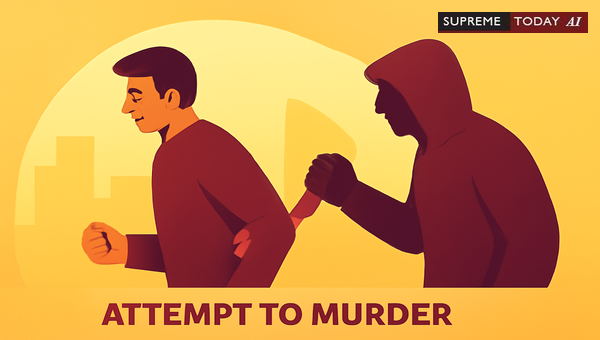
In high-stakes criminal cases under (IPC)—attempt to murder—accused individuals often face prolonged detention. A common query arises: Bail Granted in 307 because of Limited Role in Incident. Can courts grant bail if the accused played a limited role or did not cause any injury to the victim? This question is pivotal for many facing such charges, as it hinges on nuanced legal interpretations rather than just the outcome of the act.
This blog post delves into the legal framework, landmark principles, and practical considerations. While this is general information based on judicial precedents and should not be taken as specific legal advice, it aims to clarify when bail may be possible even without injury. Consult a qualified lawyer for personalized guidance.
Understanding : Intent Over Injury
punishes attempts to murder, stating that whoever does an act with the intention or knowledge that it could cause death commits the offense. Importantly, the law does not mandate actual injury—grievous or otherwise—for the charge to apply. The focus is on two core elements:
- (guilty mind): Intention to cause death or knowledge of the act's lethal potential.
- (guilty act): An in furtherance of that intent. 2023 0 Supreme(Jhk) 820
As clarified in legal documents, such act was done with the intention of causing death; or ... the accused attempted to cause death by doing an act known to him to be so imminently dangerous that it must in all probability cause ... death. 2023 0 Supreme(Jhk) 820
Courts have repeatedly held that the essential ingredient is intent or knowledge coupled with an , regardless of whether injury was caused. 2004 2 Supreme 460 The section does not require that bodily injury capable of causing death be inflicted; rather, the act must be done with the intention or knowledge that it might cause death. 2004 2 Supreme 460 2019 1 Supreme 756
Main Legal Finding: Bail Possible Without Injury
The legal documents clearly establish that bail under can be granted even if the accused did not cause injury to the victim, provided the act was done with the requisite intention or knowledge, and the act itself was sufficient to constitute an attempt to murder. 2004 2 Supreme 460 2019 1 Supreme 756
Key points include:- Under , the focus is on the intent or knowledge of the accused and the , not solely on whether injury was caused. 2004 2 Supreme 460 2019 1 Supreme 756- The law recognizes attempts even if no injury or only a non-grievous injury is inflicted, as long as the act aligns with lethal intent. 2004 2 Supreme 460 2019 1 Supreme 756- Bail can be granted where the accused did not cause injury, but the act was an with requisite intent, sufficient for the attempt. 2004 2 Supreme 460 2019 1 Supreme 756
This principle shifts emphasis from physical harm to the accused's mental state and actions, offering hope in cases of limited involvement.
Court's Approach in Cases with Limited Role or No Injury
Judgments illustrate how courts assess these cases. Even if no injury occurred, courts examine if the act demonstrated requisite intent. For instance, brandishing a weapon and threatening without striking may suffice if intent is inferred from circumstances like the weapon used or context. 2006 7 Supreme 347
In one case, the court modified conviction from Section 307 to because the injury did not endanger life and for death was not proven. 2024 0 Supreme(Raj) 211 The ruling emphasized: the injury suffered by the injured may not fall wholly within the scope of causing any danger to life. 2024 0 Supreme(Raj) 211 This shows courts scrutinize injury nature alongside intent.
Another precedent involved in a 307/34 appeal, where acquittal under 307 was challenged, but conviction was under lesser Section 324 based on injured witnesses. It highlights that influences outcomes, but limited role can lead to bail or reduced charges. 2023 0 Supreme(Jhk) 820
Bail applications succeed when applicants argue no injury attributed to them. In a case under , counsel contended no Section 307 injury linked to the petitioner, though bail was denied due to antecedents. 2021 0 Supreme(Raj) 122 Conversely, where records show justification lacking, bail follows. 2023 0 Supreme(Ker) 246
Relevance of Limited Role and Absence of Injury
The presence or absence of injury is not the sole determinant for bail or conviction. Courts infer intent from:- Circumstances of the incident.- Weapon involved.- Overt acts performed. 2004 2 Supreme 460 2019 1 Supreme 756
In queries like limited role, applicants must show the act lacked premeditation or dangerous intent. For example, if an accused merely threatened without striking, and no injury resulted, bail aligns with principles permitting release without injury precondition. 2004 2 Supreme 460 2019 1 Supreme 756
Supporting cases include convictions downgraded to when evidence showed no 307-level intent, even with weapons. One judgment noted: from the facts and circumstances of the case no offence under section 307 I.P.C is made out ... at the most ... section 324 I.P.C. 2007 0 Supreme(All) 1777 2007 0 Supreme(UK) 339
Exceptions and Limitations on Bail
While liberal, courts consider:- Overall circumstances, severity of act, threat posed, and risk of further offenses. 2006 7 Supreme 347- Antecedents: Habitual offenders or those under anti-social acts face denial, as in a case where bail was rejected despite settlement pleas: Merely because the injured persons submitted that they have settled the matter, that by itself is not a reason to grant bail ... under Section 307 of IPC. 2023 0 Supreme(Ker) 246- Severity of injuries: Grievous hurts or vital part attacks weigh against bail. 2018 0 Supreme(Chh) 95
In a bail rejection, the court cited: the doctor has mentioned that the injuries could have been caused by hard and blunt object ... injuries could have been fatal if not treated in time. 2018 0 Supreme(Chh) 95
Practical Recommendations for Bail Applications
To strengthen a bail plea in limited role/no injury scenarios:- Demonstrate lack of premeditation or dangerous intent, emphasizing no injury caused.- Highlight context and inferred intent from circumstances, without overstating.- Provide evidence that continued detention is unwarranted, citing precedents where bail was granted sans injury. 2004 2 Supreme 460 2019 1 Supreme 756- Argue inconsistencies in prosecution evidence or benefit of doubt, as in acquittals due to unreliable testimonies. 2016 0 Supreme(Ker) 306
Conclusion and Key Takeaways
In summary, bail in can be granted even without injury, focusing on intent and overt acts rather than harm inflicted. Legal documents affirm: bail in a case under can be granted even if the accused did not cause injury to the victim, provided the act was committed with the necessary intent or knowledge. 2004 2 Supreme 460 2019 1 Supreme 756
Key takeaways:- Intent trumps injury in 307 IPC assessments.- Limited role strengthens bail arguments if no direct harm.- Courts balance merits, antecedents, and risks.
This evolving jurisprudence offers relief in appropriate cases, but outcomes depend on facts. Always seek professional legal counsel.
References:1. 2004 2 Supreme 460: Act with intent sufficient, no injury mandatory.2. 2019 1 Supreme 756: Absence of injury does not preclude bail if intent shown.3. Other cited documents as above.
Disclaimer: This post provides general insights from public legal sources and is not legal advice. Laws and interpretations vary by jurisdiction and case specifics.
#IPC307Bail, #AttemptToMurder, #CriminalLawIndia












