


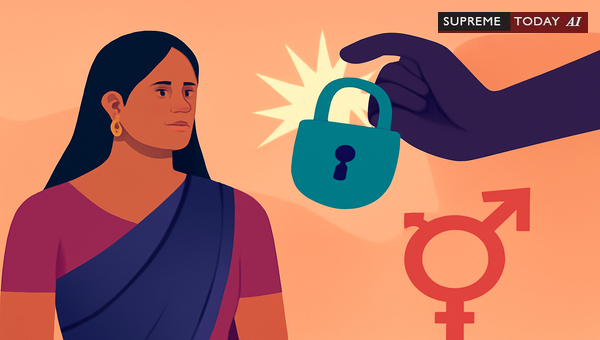
Crimes Against Transgender Persons in BNS: Key Legal Gaps
In India's evolving legal landscape, the , which replaced the , has sparked debates on inclusivity. A pressing question arises: Crime against Transgender Person in BNS? This query highlights a critical gap in protecting vulnerable communities. While the BNS modernizes criminal law, it falls short in addressing specific crimes against transgender individuals, particularly . This post examines these shortcomings, expert critiques, potential reforms, and broader protections, drawing from legal analyses and case law. Note: This is general information, not legal advice. Consult a qualified lawyer for specific cases.
Overview of BNS Provisions on Crimes Against Transgenders
The Bharatiya Nyaya Sanhita (BNS) does not feature dedicated sections for sexual crimes against transgender persons. Instead, such grave acts are often categorized under less severe offenses like . Key Findings:
- No Specific Provisions: The BNS lacks a dedicated section on sexual crimes against transgender individuals. 2025 Supreme(Online)(Kar) 12916 2025 Supreme(Online)(Tel) 8956 2025 Supreme(Online)(Ker) 26669
- Criticism of Omission: Legal experts have criticized this exclusion, arguing it undermines justice and equality for transpersons. 2024 Supreme(US)(ca10) 87
- Relegation to : or on men and transgender persons is treated as under , which many view as trivializing the crime. 2025 Supreme(Online)(Ker) 26669
- Potential for Amendment: Reports indicate the government may amend the BNS to include provisions for sexual crimes against men and transgenders.
- Existing Protections: The , covers offenses like forced or bonded labor against transgenders. 2025 0 Supreme(SC) 114
This framework leaves transgender persons exposed, as sexual violence is not equated with the severity of under traditional definitions.
Real-World Cases Under BNS Involving Transgender Persons
Court records reveal how BNS sections are applied in transgender-related matters, often highlighting enforcement challenges. For instance, in one FIR (Crime No.50/), offenses under were registered based on a . 2025 Supreme(Online)(Kar) 12916 The material noted: Perusal of the material on record would go to show that in the first information it is submitted by the alleged victim that she is a #HL_....
Another case (No.176 of , Panjagutta Police Station) invoked . The complainant alleged: for the past three months, Ankitha, Simran, and other transgender individuals have been continuously harassing her mentally and physically, demanding money. 2025 Supreme(Online)(Tel) 8956 Here, transgenders were accused, showing BNS's use in such disputes, but it underscores the need for victim protections.
In a (Crime No.1593 of , ), were cited. Bail was granted with conditions like no further harmful conduct, assessing allegations and custody duration. 2025 Supreme(Online)(Ker) 26669 The court noted: Bail granted on condition of no further harmful conduct after assessing the nature of allegations and duration of custody.
These examples illustrate BNS's application but reveal no tailored response to crimes against transgenders.
Broader Rights and Discrimination Under the Transgender Protection Act
While BNS lags, the , offers safeguards. Section 3 prohibits discrimination, including the denial of, or termination from, employment or occupation. 2025 0 Supreme(SC) 114 It mandates in education, employment, healthcare, and public services.
Judicial interpretations reinforce these rights. In an employment discrimination case, the court discussed , directing the government to formulate a policy for in jobs. The petitioner, a transgender woman rejected by , succeeded in highlighting: The court recognized the of transgender persons and emphasized the need for in employment as per the Act. 2022 0 Supreme(SC) 1630
Sanitation rights were upheld as fundamental under . The Supreme Court ruled: Access to proper sanitation is a fundamental right under , requiring the State to provide and maintain adequate toilet facilities in judicial premises for all genders. 2025 0 Supreme(SC) 114 Directions included separate facilities for transgenders.
On reservations, courts clarified no mandatory quota exists yet. In a recruitment challenge, the court dismissed a petition, stating: Direction issued by the Hon’ble Supreme Court is only to extent of taking steps to treat transgenders as of citizens, but not for creating reserving particular percentage of posts to transgenders. 2022 0 Supreme(AP) 53
Identity recognition is key. Under Section 4, transgenders can seek official changes post-certification. A case allowed gender updates in educational records: Only on basis of certificate issued by District Magistrate under transgender person can apply for change of their birth certificate and other official documents. 2021 0 Supreme(All) 961
Criticisms and Calls for Reform
The omission in BNS has drawn sharp criticism. Treating sexual crimes against transgenders as dilutes accountability, potentially deterring reporting. Advocacy groups and experts urge specific -like provisions, aligning with NALSA judgment recognizing transgenders as a third gender.
Government memos reference policies like Telangana's Transgender Policy for education, health, and employment, but criminal law gaps persist. 2022 0 Supreme(AP) 53 Proposed amendments could introduce dedicated sections, enhancing equality.
Internationally, contrasts exist, as in U.S. cases discussing transgender protections, but India's focus remains domestic reforms. 2024 Supreme(US)(ca10) 87
Key Takeaways and Conclusion
- Current Gaps: BNS relegates sexual crimes against transgenders to Sections 114/115 (), lacking specificity.
- Protections Available: Rely on Act for discrimination; general BNS sections for other crimes.
- Reforms Ahead: Amendments under consideration may address this.
- Judicial Support: Courts enforce rights in employment, identity, and facilities.
The BNS's failure to adequately protect transgender persons from sexual crimes underscores a need for urgent legislative action. Until amendments, transgenders must navigate general provisions and the Act. This vulnerability raises profound equality concerns. Stay informed on updates, and for personalized guidance, seek legal counsel.
Word count: ~1050. Sources cited are for informational purposes; verify with originals.
#BNSLaw, #TransgenderRights, #IndianCriminalLaw















