Searching Case Laws & Precedent on Legal Query.....!
Analysing the retrieved Case Laws
Scanned Judgements…!



Searching Case Laws & Precedent on Legal Query.....!
Analysing the retrieved Case Laws
Scanned Judgements…!
Procedure for donating a dead body for medical study involves obtaining prior consent from the deceased or their legal representatives, and adhering to legal and institutional regulations. The body must be handed over to a recognized medical college for dissection or study purposes, with proper documentation and permissions in place ["2024 0 Supreme(Ker) 1357"] ["2024 0 Supreme(Ker) 1159"].
The process typically requires the deceased's family to give explicit consent, either in writing or orally, and for the medical institution to have the necessary legal clearances, including permissions from authorities and compliance with regulations governing the use of human bodies for medical education ["2024 0 Supreme(Ker) 1357"] ["2024 0 Supreme(Ker) 1159"].
The institution must ensure that the body is transferred with proper authorization, often involving a Committee of medical staff, and that the transfer respects the deceased’s religious and personal wishes. Legal proceedings or objections from family members can impact the process, necessitating judicial intervention if disputes arise ["2024 0 Supreme(Ker) 1357"] ["2024 0 Supreme(Ker) 1159"].
Regulations stipulate that the body can be used for dissection or therapeutic purposes only after obtaining the necessary permissions, and the process must be transparent, with videographed autopsies and inquests, especially in cases of accidental or suspicious death ["2024 0 Supreme(Ker) 1357"] ["2024 0 Supreme(Ker) 1159"].
In practice, the procedure involves coordination with local authorities such as the District Magistrate, and sometimes the use of alternative methods if bodies are unavailable, but the overarching legal framework emphasizes consent, proper documentation, and adherence to medical and legal standards ["2016 0 Supreme(Del) 4410"] ["PATNA HOMEOPATHIC MEDICAL COLLEGE & HOSPITAL vs UNION OF INDIA & ORS - Delhi"]-11228_2016).
Analysis and Conclusion:The procedure for donating a dead body to a medical college for study is governed by legal regulations requiring prior consent, proper permissions, and adherence to institutional protocols. Disputes or objections from family members can lead to judicial proceedings, and the process must be conducted with transparency and respect for the deceased’s wishes. Ensuring compliance with these legal and procedural norms is essential for lawful and ethical use of human bodies in medical education ["2024 0 Supreme(Ker) 1357"] ["2024 0 Supreme(Ker) 1159"].
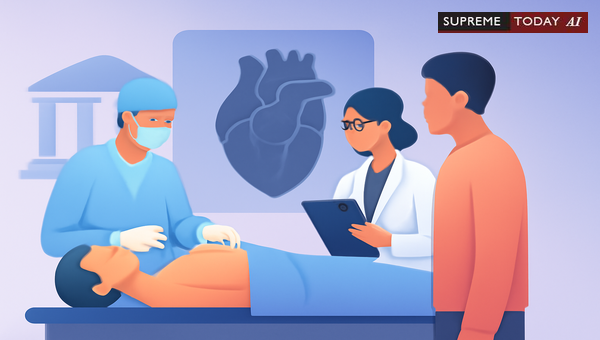
In an era where medical education relies heavily on practical training, body donations play a crucial role in advancing anatomical studies. Many individuals wish to contribute to science and healthcare even after death by donating their bodies to medical colleges. But what is the exact procedure for giving a dead body for study in a medical college under Indian law? This blog post breaks down the legal requirements, primarily under the , providing clarity for families, medical institutions, and the public.
While laws may vary slightly by state, we'll focus on Kerala's framework as a key example, drawing from judicial interpretations and related regulations. Note: This is general information and not specific legal advice. Consult local authorities or a lawyer for your situation.
The primary legislation is the , amended by , which facilitates the donation of bodies for and . This Act ensures that donations respect the deceased's wishes while streamlining the process for teaching medical institutions. 2024 0 Supreme(Ker) 1357
(1) states:
If any person, either in writing at any time or orally in the presence of two or more persons during his , has expressed an that his body be used for the purpose of conducting and after his death, the party lawfully in possession of his body after his death, may, unless, the said party has reason to believe that the request was subsequently withdrawn, report the fact to the and permit the said office to take possession of the body and hand it over to the authority in charge of a teaching medical institution if it is required by that authority. 2024 0 Supreme(Ker) 1357
This provision emphasizes the deceased's made during their , making it accessible without overly burdensome formalities.
To qualify under the Act, several conditions must be met:
Orally during the , in the presence of at least two witnesses. 2024 0 Supreme(Ker) 1357
No Direct Communication Needed: Importantly, the request does not need to be made directly to the . Judicial interpretations confirm that restricting it this way would contradict the provision's literal meaning. 2024 0 Supreme(Ker) 1357 2024 0 Supreme(Ker) 1159
Role of : After death, the person in lawful possession (often family) who knows of the request reports it to the , unless they believe it was withdrawn. 2024 0 Supreme(Ker) 1357
Here's how the process typically unfolds:
Deceased Expresses Wish: During , make the request orally (with two+ witnesses) or in writing.
Post-Death Reporting: The family or informs the (designated under the Act) of the deceased's wish.
Officer Takes Possession: The verifies and takes custody of the body.
Transfer to Institution: The body is handed over to a teaching medical college if required for anatomical study. 2024 0 Supreme(Ker) 1357
This streamlined process aims to honor the deceased's intent without delays, supporting medical education.
Courts have reinforced the Act's intent to facilitate donations. For instance:
The interpretation that the words, ‘express an ’ used in (1) indicates that the request should be made to the authorised officer, is liable to be rejected, since such restricted interpretation, by picking one word, is contrary to the literal meaning of the provision, when read as a whole. 2024 0 Supreme(Ker) 1357
The provision contemplates an by the person expressed either in writing or orally, during his , in the presence of two or more persons... 2024 0 Supreme(Ker) 1357
These rulings from 2024 0 Supreme(Ker) 1159 emphasize flexibility, focusing on the deceased's clear wish rather than procedural technicalities. 2024 0 Supreme(Ker) 1159
Medical colleges require cadavers for to train future doctors, as highlighted in regulatory cases. For example, establishments must have dead body for facility in the college hospital, per (MCI) Regulations. Lack of this can hinder approvals for new colleges or courses.
PATNA HOMEOPATHIC MEDICAL COLLEGE & HOSPITAL vs UNION OF INDIA & ORS
PATNA HOMEOPATHIC MEDICAL COLLEGE & HOSPITAL vs UNION OF INDIA & ORS-11228_2016)Under the , colleges need and must meet standards, including access to bodies for teaching. 2016 0 Supreme(Bom) 972 Body donations directly support these requirements, enabling practical anatomy education. Permissions for new courses or increased capacity also underscore the need for such facilities.
Malla Reddy Institute of Medical Sciences vs Union of India
2015 0 Supreme(Del) 2623In practice, post-mortem cases often send bodies to medical colleges, but voluntary donations are preferred for ethical training. 2022 0 Supreme(Gau) 521 2019 0 Supreme(Bom) 1566
Not all cases qualify:- The request must be during and unequivocal.- must not suspect withdrawal of the wish.- Near relatives' objections apply only if no request was made or if the deceased objected. 2024 0 Supreme(Ker) 1357
Additionally, colleges must comply with MCI norms, including opportunities to rectify deficiencies before permissions are denied. 2009 0 Supreme(Bom) 39 2015 0 Supreme(Del) 2623
PATNA HOMEOPATHIC MEDICAL COLLEGE & HOSPITAL vs UNION OF INDIA & ORS
Organizations like voluntary body donation societies can guide families, ensuring smooth processes.
Donating a body to a medical college under Indian law, particularly Kerala's Anatomy Act, honors the deceased's wish to contribute to medical science. The core is an during , reported by the —no direct officer contact required. This supports vital education, as colleges need cadavers for compliance and training. 2024 0 Supreme(Ker) 1357
Key Takeaways:- Oral/written request with witnesses suffices. 2024 0 Supreme(Ker) 1357- Family reports to . 2024 0 Supreme(Ker) 1357- Facilitates medical college standards.
PATNA HOMEOPATHIC MEDICAL COLLEGE & HOSPITAL vs UNION OF INDIA & ORS
By understanding this procedure, families can fulfill loved ones' legacies effectively. Always check state-specific rules and seek professional guidance.
#BodyDonationIndia, #AnatomyAct, #MedicalCollege


According to him, a College has to obtain No Objection Certificate from the concerned State Government has been laid down in the Establishment of New Medical College (Opening of New or Higher Course of Study or Training and Increase of Admission Capacity by a Medical College), Regulations 2011. ... The observation of the Hearing Committee of the respondent No.1 is, at present the college is not having dead body for dissection facili....

The observation of the Hearing Committee of the respondent No.1 is, at present the college is not having dead body for dissection facility in the college hospital, which is a requirement under the Regulations. ... According to him, a College has to obtain No Objection Certificate from the concerned State Government has been laid down in the Establishment of New Medical College (Opening of New or Higher Course of Study or Training ... Tw....
The observation of the Hearing Committee of the respondent No.1 is, at present the college is not having dead body for dissection facility in the college hospital, which is a requirement under the Regulations. ... According to him, a College has to obtain No Objection Certificate from the concerned State Government has been laid down in the Establishment of New Medical College (Opening of New or Higher Course of Study or Training ... Tw....

Thereupon, arrangements were made to take the body to the Government Medical College. At that point of time, the other daughter, the petitioner herein, objected. ... purposes, of that 2 [human organ or tissue or both] from the dead body of the donor. ... As regards constitution of a Committee by the 4th respondent, it is submitted that, since the direction by this Court was to the 4th respondent, viz, the Medical College represented by its Principal, it was decided to....

Thereupon, arrangements were made to take the body to the Government Medical College. At that point of time, the other daughter, the petitioner herein, objected. ... purposes, of that 2 [human organ or tissue or both] from the dead body of the donor. ... As regards constitution of a Committee by the 4th respondent, it is submitted that, since the direction by this Court was to the 4th respondent, viz, the Medical College represented by its Principal, it was decided to....

The permission for establishment of a medical college, opening of new or higher course of study or training and increase of admission capacity - ... Any person intending to establish a medical college or any medical college intending to open a new or higher course of study or training ... of New Higher Secondary Course of Study or Training and Increase of admission capacity by Medical College Regu....
The section also stipulates that the scheme cannot be disapproved by the Central Government without giving a reasonable opportunity of being heard to the medical college concerned. ... A reasonable opportunity must be afforded to the institution or medical college for making a representation. Thereafter, the institution/medical college may rectify the defects, if any, specified by the CCIM. ... Permission for establishment of new medical institution,....

Permission for establishment of new medical college, new course of study. ... college or the existing medical college seeking to open a new or higher course of study or training, would be in a position to offer the minimum standards of medical education as prescribed by the Council under section 19A or, as the case may be, under section 20 in the case of postgraduate medical ... Therefore, it cannot be said that affiliation is insig....

of study or increasing admission capacity in any course of study or training including post-graduate course of study in any existing Medical College. ... provisions of the Medical Council Act, particularly, Section 10-A providing for permission for establishment of new College, new course of study, etc. ... no medical college shall: (i) open a new or higher course of study or training (including....
of study or increasing admission capacity in any course of study or training including post-graduate course of study in any existing Medical College. ... PERMISSION FOR ESTABLISHMENT OF NEW MEDICAL COLLEGE, NEW COURSE OF STUDY ETC. (1) Notwithstanding anything contained in this Act or any other law for the time being in force,- (a) no person shall establish a medical college; or (b) no medical #HL....

He had also sent the sample of one foot print which found on the courtyard in the back side house of the deceased. Thereafter, dead body was sent for postmortem examination to Jorhat Medical College and Hospital, Jorhat. After arrival of the Executive Magistrate, inquest was done over the dead body of the deceased Manikchand Sarma. He also collected the report of the said foot print vide Exhibit-4.

Dead body was sent to the Medical College and Hospital for conduct of postmortem examination. On the basis of secret information, accused Nos.1 to 5 were arrested on 29/06/2013, while accused No.6 was arrested later on. Discoveries were made and incriminating articles including the knives were recovered at the instance of the accused persons. The crime for various offences was registered against unknown accused.
During postmortem examination, Medical Officers noticed 100% burns on the dead body. Dead body was sent to Government Medical College and Hospital, Aurangabad for postmortem. They opined cause of death as septicemia shock due to burns.

Dead body of deceased was sent to Medical College for post-mortem examination. Dr. Abhishek Singh (P.W. 12) conducted the post-mortem examination on 8-4-2009 and vide his report (Exh. P-16) found his whole body distended having washerman skin over legs and palms.

The injuries were caused by some sharp pointed weapon. His dead body was sent for postmortem examination to Medical College, Jabalpur. Dr. T.Mohan (PW-17), demonstrator of Forensic Medicines Department conducted the postmortem examination and found six injuries on the body of deceased.


An indispensable Tool for Legal Professionals, Endorsed by Various High Court and Judicial Officers
Please visit our Training & Support
Center or Contact Us for assistance

Scan Me!
India’s Legal research and Law Firm App, Download now!


For Daily Legal Updates, Join us on :



 Back to top


