




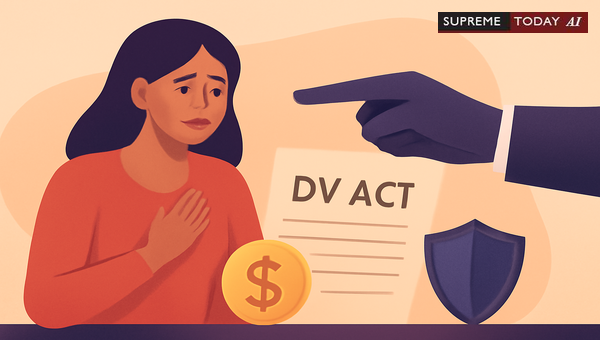
How to Calculate Compensation Under DV Act 2005
Domestic violence remains a pervasive issue in India, affecting countless women physically, emotionally, and mentally. The () provides crucial safeguards, including like compensation for injuries and distress. But a common question arises: how to calculate compensation under Protection of Women from Domestic Violence Act? This blog breaks it down, drawing from legal provisions and case law to offer clarity—though remember, this is general information, not personalized legal advice. Consult a qualified lawyer for your specific situation.
Legal Basis for Compensation in DV Act
The empowers magistrates to grant various reliefs to aggrieved women, including under . This section explicitly states: The Magistrate shall have the power to grant for injuries, including mental torture and emotional distress, caused by domestic violence committed by the respondent.2021 0 Supreme(Ker) 410
Compensation is , focusing on remedying harm rather than punishing the respondent criminally. Unlike criminal fines, it's proportionate to the proven injuries and suffering. Courts emphasize that there's no fixed formula for calculation; instead, the magistrate exercises discretion based on case facts 2021 0 Supreme(Ker) 410 2012 0 Supreme(SC) 882.
Key Factors Magistrates Consider
When determining the quantum of compensation, magistrates typically evaluate:- Extent of physical injuries: Supported by medical reports, photographs, or hospital records.- Mental torture and emotional distress: Evidenced through testimonies, psychological evaluations, or consistent affidavits.- Duration and severity of violence: Repeated incidents may lead to higher awards.- Financial impact: Loss of earnings, medical expenses, or relocation costs.
The relief must be evidence-based, ensuring awards are neither arbitrary nor excessive 2021 0 Supreme(Ker) 410.
Step-by-Step Process for Seeking and Calculating Compensation
1. Filing the Application
Under , an aggrieved woman (or her proxy) files an application detailing the violence and seeking reliefs under , including compensation via . A (DIR) isn't mandatory for passing orders; magistrates can grant reliefs based on the application and affidavit if satisfied
Sk. Sadab Kadir VS Saher Saniya
.2. Evidence Presentation
Strong evidence is pivotal:- Medical certificates for physical harm.- Witness statements for emotional distress.- Proof of economic loss, like bills or income records.
Courts stress in assessing this evidence to fix a proportionate amount 2012 0 Supreme(SC) 882.
3. Magistrate's Discretion and Award
The magistrate reviews evidence during hearings. Compensation is calculated holistically:- For physical injuries: Often mirrors medical costs plus pain and suffering multipliers (e.g., 1-3 times expenses, varying by case).- For mental/emotional harm: Based on testimony credibility and impact on daily life.
No statutory caps or tables exist, unlike motor accident claims. Each case's circumstances dictate the sum 2021 0 Supreme(Ker) 410.
4. Enforcement and Appeals
Awards are enforceable as . Non-compliance with () doesn't trigger penalties, which apply only to breaches () 2025 0 Supreme(Kar) 169. Appeals lie under Section 29 to .
Insights from Case Law
Judgments reinforce evidence-driven awards:- Magistrates must avoid mechanical decisions, focusing on proven harm 2021 0 Supreme(Ker) 410.- orders under Sections 18-22 are possible without DIR, prioritizing victim protection
Sk. Sadab Kadir VS Saher Saniya
.- Compensation covers broad harms, including those from dynamics () 2020 0 Supreme(Raj) 61.In broader contexts, the Act intersects with other laws. For instance, child marriages involving violence may invoke additional protections under or , but DV Act compensation remains standalone for proven distress 2017 7 Supreme 673.
Exceptions and Limitations
- Not automatic: Requires proof; unsubstantiated claims fail.
- Judicious discretion: Awards must be fair, not punitive 2012 0 Supreme(SC) 882.
- No fixed quantum: Varies widely— from thousands to lakhs—based on facts.
- Procedural notes: DIR aids but isn't essential; focus on affidavit-supported applications
Sk. Sadab Kadir VS Saher Saniya
.
Practical Recommendations for Victims
To maximize chances of fair compensation:- Document everything: Photos, medical records, diaries of incidents, witness contacts.- Seek prompt help: Approach Protection Officers or magistrates early.- Legal support: Engage advocates familiar with DV Act procedures.- Holistic reliefs: Combine compensation with protection (), residence (19), or maintenance (20) orders.
Courts urge thorough documentation for proportionate awards 2021 0 Supreme(Ker) 410.
Key Takeaways
Calculating compensation under the hinges on magistrate discretion, evidence of harm, and case-specific facts—no rigid math, but a balanced assessment of injuries and distress 2021 0 Supreme(Ker) 410 2012 0 Supreme(SC) 882. Victims should prioritize evidence gathering for effective relief.
This Act empowers women against domestic violence, but success depends on procedural adherence. For tailored guidance, consult a legal expert. Stay safe and informed.
References:1. 2021 0 Supreme(Ker) 410: Statutory power and evidence-based awards.2. 2012 0 Supreme(SC) 882: Civil nature and .3.
Sk. Sadab Kadir VS Saher Saniya
: Non-mandatory DIR for orders.4. 2025 0 Supreme(Kar) 169: Distinction in enforcement.(Word count: ~950. General insights only; not legal advice.)
#DomesticViolenceAct, #DVCompensation, #PWDVAct















