




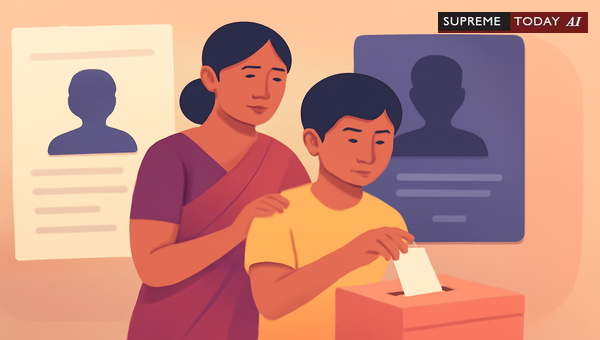
Can a 's Child Vote in India? Essential Legal Insights
In India's complex electoral landscape, particularly in regions like Assam grappling with (NRC) issues, questions about voter eligibility often arise. Imagine a family where the mother is marked as a ''—a doubtful voter flagged for . In the case of a child whose mother is reflected as a , can he be allowed to vote? This query touches on critical intersections of family lineage, documentary evidence, and . While this is not legal advice and individual cases vary, this post breaks down the general principles drawn from court judgments and tribunal opinions.
Voter registration hinges on proving Indian citizenship, age (over 18), and . For minors turning voters, parental status can influence scrutiny, but it's the totality of evidence that matters. Let's dive into the legal framework.
Understanding D-Voters and Voter Eligibility Basics
D-voters are individuals whose citizenship is in doubt, often due to discrepancies in documents amid Assam's border sensitivities. Under the , Section 9 places the on the person claiming citizenship. Tribunals assess evidence like voter lists, land records, and family certificates.
For children of D-voters, eligibility isn't automatically barred. Registration depends on independent verification of the child's citizenship and residence. Key documents include:- Voter lists from parents/grandparents showing continuous presence.- Birth certificates linking to Indian-origin family.- School records, land deeds, or local panchayat certificates.
Discrepancies in parental records, like a mother's status, may trigger deeper checks but don't preclude approval if the child's evidence is robust. As noted in tribunal cases, the petitioner failed to discharge her as mandated under [
#DVoterRights #VotingEligibilityIndia #CitizenshipLaw















