


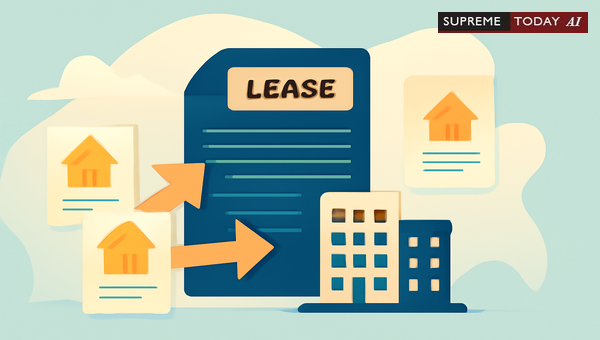
Consolidating Multiple Leases into One: A Legal Perspective
In the complex world of property law, tenants and landlords frequently grapple with managing multiple lease agreements for the same or adjacent immovable properties. A common query arises: consolidating the lease instead of several leases—is it legally feasible? This question often stems from a desire for streamlined administration, unified rent payments, and simplified obligations. While courts generally recognize the possibility of treating multiple leases as a single tenancy, it hinges on clear and the . This blog post delves into the legal framework, key judicial interpretations, and practical considerations, drawing from established case law.
Disclaimer: This article provides general information based on legal precedents and is not a substitute for professional legal advice. Consult a qualified attorney for advice tailored to your specific situation.
Legal Principles Governing Lease Consolidation
The core legal finding is that a , whether executed in multiple parts or as a consolidated unit, is governed by statutory provisions and judicial interpretations. Courts typically infer consolidation when the agreements' language and demonstrate a . As noted, the law recognizes the possibility of consolidating multiple leases into a single lease if and agreement indicate such an intention 1917 0 Supreme(Mad) 85.
Without explicit statutes mandating a formal consolidation process, judges evaluate the , including operational practices, rent payments, and lease clauses. For instance, unified management and single rent payments can signal intent to merge leases, preventing scenarios where of one lease jeopardizes others. The court in 1917 0 Supreme(Mad) 85 emphasized: parties do not usually so arrange their affairs that a as to one independent right would in effect render certain other bigger independent rights wholly useless.
Key Factors Courts Consider
Contractual Language and Clauses
Explicit clauses are pivotal. In a landmark analysis, the court examined provisions stating that the leases of different portions would be deemed as one tenancy, and rent would be consolidated into a single payment 1966 0 Supreme(SC) 245. Such language, reinforced by conduct like , strongly supports consolidation.
Similarly, requests for a instead of 7 separate leases highlight practical intent, though courts require more than mere administrative convenience 2013 0 Supreme(Bom) 1200. Absent clear clauses, especially for leases with differing terms or purposes, courts may treat them as distinct.
and Practical Implications
Beyond documents, behavior matters. Unified rent payments, , and indicate a single tenancy 1966 0 Supreme(SC) 245 1917 0 Supreme(Mad) 85. Courts assess how consolidation affects rights and obligations, ensuring it aligns with statutes like the , which mandates registration for leases over one year.
Case Studies and Judicial Insights
Primary Precedents on Consolidation
In 1966 0 Supreme(SC) 245, the court held that clauses deeming multiple leases as one tenancy—coupled with unified payments—established consolidation. This ruling underscores that parties can contractually unify leases, provided intent is evident.
Echoing this, 1917 0 Supreme(Mad) 85 affirmed consolidation via explicit agreements and conduct, prioritizing practical unity over formal separation.
Insights from Related Contexts
In agricultural and mining scenarios, similar principles apply with caveats. For example, under the , multiple leases were scrutinized: Admittedly the respondent-landlord leased the lands by two leases to the appellant... Ordinarily, the lease of a land allotted under the Consolidation scheme would be contrary to the provisions of 1990 0 Supreme(SC) 594. Here, statutory prohibitions limited merger, but validation proceedings influenced outcomes.
Mining lease cases further illustrate limitations. Annual payments under mining leases were deemed revenue expenditure, but distinct terms prevented automatic consolidation: the third lease is quite distinct from the earlier leases... it was clarified specifically that it was done subject to the terms and conditions incorporated therein which are quite distinct 2012 0 Supreme(AP) 1271.
In another instance, Portuguese-era concessions were not retroactively merged without parliamentary inclusion: the power conferred... is the power to correct error, omission or misdescription only in respect of those mining concessions which are listed in Schedule I or II 2003 0 Supreme(Bom) 836. These examples show context-specific hurdles, such as statutory bans or differing purposes.
Exceptions and Limitations
Consolidation is not automatic:- Distinct Purposes or Terms: Leases for agriculture versus commercial use, or with separate durations, resist merger 1990 0 Supreme(SC) 594.- Statutory Barriers: Fragmentation Acts or registration requirements under the may invalidate informal unions 1917 0 Supreme(Mad) 85.- Lack of Evidence: Mere rent consolidation without clauses fails: Without clear contractual language or conduct indicating an intention to consolidate, courts may treat leases as separate 1966 0 Supreme(SC) 245.- Encumbrance Rules: Leases may not qualify as other charges or incumbrances in sales or partitions, preserving separation
.
In renewal disputes, time bars under acts like the underscore the need for timely action on consolidated claims 2013 0 Supreme(Bom) 1200.
Practical Recommendations for Landlords and Tenants
To facilitate consolidation:- Draft Explicit Clauses: Include language like these leases shall be deemed as one tenancy for all purposes, with unified rent.- Maintain Consistent Conduct: Use single payments, joint management, and unified possession.- Ensure Compliance: Register consolidated leases if exceeding one year; seek formal deeds for clarity 2013 0 Supreme(Bom) 1200.- Document Intent: Avoid ambiguity by superseding prior leases explicitly.
These steps minimize disputes and align with judicial preferences for evident intent.
Conclusion and Key Takeaways
Consolidating multiple leases into one is viable when supported by clear contractual provisions and consistent conduct, as affirmed in key rulings 1966 0 Supreme(SC) 245 1917 0 Supreme(Mad) 85. However, statutory nuances, especially in specialized sectors like mining or agriculture, demand caution 1990 0 Supreme(SC) 594 2012 0 Supreme(AP) 1271.
Key Takeaways:- Prioritize explicit clauses and unified practices.- Courts infer intent from the totality of evidence.- Always register where required and consult experts.
By understanding these principles, property stakeholders can navigate lease management more effectively. For personalized guidance, reach out to a legal professional.
#LeaseConsolidation, #PropertyLaw, #RealEstateLegal















