


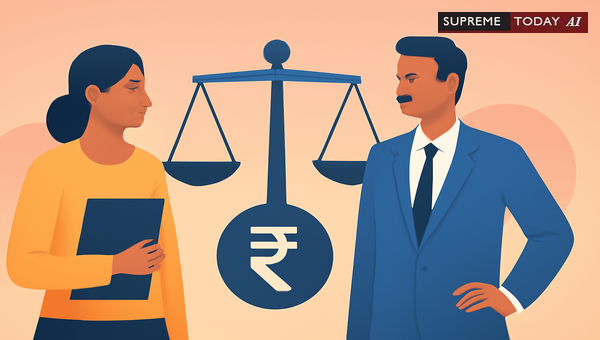
Equal Treatment for Similarly Situated Employees in India
In the workplace, fairness is a cornerstone of justice. But what happens when employees performing the same or similar roles receive different pay, benefits, or treatment? The legal question at the heart of many disputes is: Same Similar Set of Employees can Not be Given Different Treatment. This principle, deeply embedded in Indian constitutional law, ensures that equals must be treated equally. Drawing from and 16 of the Constitution of India, courts have repeatedly struck down among comparable employees. This blog post breaks down the key legal principles, landmark cases, exceptions, and practical insights to help you understand your rights—or obligations—as an employer or employee.
Whether you're a railway worker, government servant, or private sector employee, understanding these rules can prevent costly litigation and promote workplace equity. Let's dive into the legal framework.
Core Legal Principles Governing Employee Equality
1. Equal Treatment of Similarly Situated Employees
Employees under the same employer, like those in the , must be treated uniformly regardless of division or zone. Differential criteria or benefits based on such factors violate the right to equality under and 16. As established in key rulings, Employees working under the same employer... must be treated equally and cannot be subjected to different criteria or benefits based on their division or zone. 2022 8 Supreme 392
This extends to all aspects of employment, including pay, promotions, and benefits. Courts emphasize that nomenclature or minor procedural differences don't justify disparities when duties are comparable. For instance, sources highlight that Same Treatment for Similar Employees - Employees performing identical duties and responsibilities, such as contractual, ad-hoc, or regular staff, are generally entitled to equal pay and benefits. Differences in nomenclature or appointment mode alone do not justify disparate treatment. 2023 0 Supreme(Guj) 1334 2023 0 Supreme(Del) 5379
2. Doctrine of
A fundamental tenet is . Employees with similar duties and responsibilities cannot face pay discrimination unless justified by rational factors like qualifications or added responsibilities. Discrimination in pay scales among employees performing the same functions is impermissible unless justified by reasonable classification. 1989 0 Supreme(SC) 217 2009 0 Supreme(SC) 1060
This doctrine applies broadly. In cases involving Block Development Officers, courts ruled against two pay scales for the same cadre based on arbitrary cut-off dates, insisting that employees discharging similar duties should receive equal treatment. 2022 0 Supreme(HP) 605
3. Prohibition of Arbitrary Differentiation
The State or employer cannot differentiate employees of the same class based on irrelevant factors like recruitment source or appointment timing without a rational nexus to policy objectives. Such differentiation must be founded on that relates to the objectives of the statute or policy. 2013 5 Supreme 24 2017 0 Supreme(SC) 138
scrutinizes such classifications. Disparities Based on Non-Relevant Factors - Differential treatment based on irrelevant or non-material considerations, such as appointment mode or departmental classification, is unlawful. 2022 0 Supreme(Ker) 887
Landmark Case Law Reinforcing Equality
Indian courts have built a robust body of precedents:
Railway Employees Case: Commission Vendors/bearers in were granted the same benefits as counterparts in other zones, underscoring non-discrimination. 2022 8 Supreme 392
Block Development Officers: No dual pay scales for the same cadre via cut-off dates. 2022 0 Supreme(HP) 605
Differential Treatment Scrutiny: Differences in qualifications or responsibilities may justify variances, but not appointment dates alone. 1989 0 Supreme(SC) 217 2009 0 Supreme(SC) 1060
Additional cases echo this:- Different categories in a single class cannot be carved out by taking piecemeal decisions benefiting only a section of such employees. 2022 0 Supreme(Guj) 1118- Once benefits are granted to one group, they must extend to all similarly situated ones, as per rulings. 2025 Supreme(Online)(CAT) 13010 2025 Supreme(Online)(CAT) 13009 2025 Supreme(Online)(CAT) 13012
In another instance, a petitioner secured similar treatment to Class-III employees appointed similarly in , especially post-superannuation. 2024 0 Supreme(Pat) 788
Exceptions: When Different Treatment May Be Permissible
While equality is paramount, courts recognize limited exceptions:
Educational Qualifications or Responsibilities: Employees performing the similar job but having different educational qualification can, thus, be treated differently. This holds for technical posts like Sub-Assistant Engineers vs. Operators. 2017 0 Supreme(MP) 456
2011 0 Supreme(Mad) 4326 2008 0 Supreme(Pat) 1732 2008 0 Supreme(Mad) 3772
Financial Viability: Employers' economic capacity can influence pay decisions. 2022 1 Supreme 477
Distinct Employee Classes: Regular vs. may differ if roles aren't comparable. 2019 0 Supreme(SC) 1329
Disciplinary Actions: Similar misconduct demands consistent penalties; variances without justification are discriminatory. 2025 Supreme(Online)(MP) 9770
These exceptions require a rational basis, subject to .
Practical Implications and Strategies
For employees facing disparities:- Gather Evidence: Document duties, compare with favored groups, and cite precedents.- Legal Claims: Argue similarity in roles under /16.
Employers should:- Audit pay scales for equity.- Justify differences with data on qualifications or finances.
The had made recommendations for rectifying the disparity of pay occurred in comparable posts across many departments. 2025 Supreme(Online)(CAT) 13927 This shows systemic efforts toward parity.
Key Takeaways and Conclusion
- Core Rule: Similarly situated employees deserve equal treatment in pay, benefits, and discipline.
- Constitutional Backbone: and 16 prohibit .
- Court Stance: Benefits to one group must extend to equals; irrelevant factors don't justify differences.
- Exceptions: Valid for qualifications, finances, or distinct roles—but must be rational.
In summary, the law mandates fairness: equals are required to be treated equally. 2022 0 Supreme(Guj) 1118 By adhering to these principles, workplaces foster trust and compliance. Monitor evolving case law, as courts continue reinforcing equality.
Disclaimer: This post provides general information based on legal principles and cases. It is not specific legal advice. Consult a qualified attorney for your situation.
References: 2022 8 Supreme 392 2022 0 Supreme(HP) 605 2022 1 Supreme 477 1989 0 Supreme(SC) 217 2013 5 Supreme 24 2017 0 Supreme(SC) 138 2019 0 Supreme(SC) 1329 2009 0 Supreme(SC) 1060 2023 0 Supreme(Guj) 1334 2023 0 Supreme(Del) 5379 2025 Supreme(Online)(MP) 9770 2025 Supreme(Online)(CAT) 13010 2025 Supreme(Online)(CAT) 13009 2025 Supreme(Online)(CAT) 13012 2022 0 Supreme(Ker) 887 2025 Supreme(Online)(CAT) 13927 2024 0 Supreme(Pat) 788 2022 0 Supreme(Guj) 1118 2017 0 Supreme(MP) 456
2011 0 Supreme(Mad) 4326 2008 0 Supreme(Pat) 1732 2008 0 Supreme(Mad) 3772 #EmployeeEquality, #EqualPayIndia, #LaborLaw












