


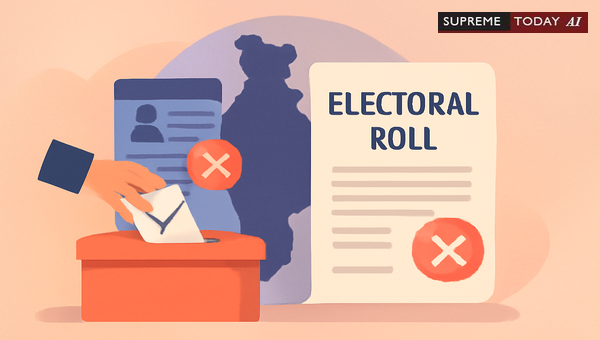
Provisions for Deleting Illegal Voter Enrollment in India
In the heart of India's democratic process lies the integrity of electoral rolls. But what happens when illegal enrollments—names of ineligible voters—slip into the voter lists? Under what provision of law can such (correction or deletion) occur? This is a critical question for candidates, voters, and electoral authorities alike, especially as elections approach and disputes over voter lists intensify.
This blog post dives deep into the legal framework governing the deletion of illegal enrollments under Indian election law. Drawing from the Representation of the People Act, 1950 and 1951, along with judicial precedents and related cases, we'll outline the provisions, procedures, timelines, and remedies. Note: This is general information and not specific legal advice. Consult a qualified lawyer for your situation.
Understanding in Electoral Rolls
refers to the inclusion of ineligible persons in electoral rolls, such as duplicates, non-residents, minors, or those disqualified under law. The and 1951 (RPA 1951) form the backbone of this framework, ensuring rolls reflect only eligible voters. 2000 6 Supreme 12
prescribes disqualifications for registration, like non-citizenship or imprisonment. Sections 21, 22, and 23 provide mechanisms for correcting entries, including deletions based on objections. 2000 6 Supreme 12 1977 0 Supreme(SC) 247 Meanwhile, of RPA 1951 mandates finalizing rolls by a specified date, prohibiting alterations post-deadline. 2000 6 Supreme 12 1977 0 Supreme(SC) 247
The law's principle is clear: electoral rolls must be finalized before nominations, and late inclusions are invalid. Votes from such entries are void, potentially invalidating elections. 2000 6 Supreme 12 1977 0 Supreme(SC) 247
Key Procedures for (Deletion or Correction)
Rectifying illegal enrollments follows a structured process:
- Filing Objections or Applications: Eligible persons can file claims for inclusion or objections for deletion with the . The ERO reviews and decides. 2000 6 Supreme 12
- ERO's Powers: The ERO can delete names upon valid objections, following due procedure. 2000 6 Supreme 12
- Appeals: Decisions are appealable, providing checks and balances. 2000 6 Supreme 12
- Timelines: Objections must precede the finalization date, typically before nominations. , no changes. 2000 6 Supreme 12 1977 0 Supreme(SC) 247
Once finalized, rolls are conclusive. The electoral roll, once finalized, is final and cannot be amended or supplemented, except in accordance with the prescribed procedure before the . 2000 6 Supreme 12 1977 0 Supreme(SC) 247
Finality of Electoral Rolls and Consequences of Violations
The is paramount. After the nomination deadline, illegal enrollments cannot be rectified mid-election, and affected votes are invalid. Courts have held that such entries undermine election victories. 2000 6 Supreme 12 1977 0 Supreme(SC) 247
For instance, in cases of post-deadline inclusions, votes cast on such ineligible entries are considered invalid. 2000 6 Supreme 12 1977 0 Supreme(SC) 247 This prevents manipulation and upholds purity.
Judicial and Quasi-Judicial Remedies
Challenges extend beyond administrative levels:
- Election Petitions: Under RPA 1951, petitions can contest elections on grounds of illegal practices. allows avoiding elections for , including enrollment issues. Under , the ground for avoiding an election remains a even as under a petition presented within twenty-one days under the main provision.
- Writ Petitions: enables intervention pre-election. A writ petition challenging such an illegal order would be maintainable.
Authorities like the can postpone elections if illegalities persist. It is entirely upto the SEC to set the election process in motion or, in cases where a constitutional or statutory provision is not followed or infracted, to postpone the election process until such illegal action is remedied.
In one case, a Returning Officer's patently illegal actions were flagged, highlighting scrutiny needs. 2025 Supreme(Online)(UK) 1994
Insights from Related Cases and Sources
Judicial precedents reinforce these provisions. Writs have directed consideration of enrollment applications amid disputes, like family FIRs blocking claims. 2022 Supreme(Online)(MAD) 39370 Corrupt practices reporting is mandatory, probing whether corrupt and illegal practices have, or whether there is reason to believe that corrupt or illegal practices have, extensively prevailed at the election.
Extended timelines for petitions on illegal practices underscore urgency. Post-election challenges are limited, emphasizing preemptive action.
Re-enrollment issues in other contexts, like Home Guards, show arbitrary retentions as illegal, paralleling voter rolls. 2023 Supreme(Online)(MAD) 9358
Exceptions, Limitations, and Best Practices
- Post-Election Limits: Challenges narrow to petitions proving material impact. 2022 0 Supreme(Kar) 23
- Timely Action: Late objections may fail. 2000 6 Supreme 12
Recommendations:- Authorities: Adhere to deadlines; delete illegals promptly.- Citizens/Candidates: File objections early.- Courts: Use pre-election.
2000 6 Supreme 12 1977 0 Supreme(SC) 247
Conclusion and Key Takeaways
The of illegal enrollments is governed primarily by RPA 1950 (Sections 16, 21-23) and RPA 1951 (), with remedies via petitions and writs. 2000 6 Supreme 12 1977 0 Supreme(SC) 247
Key Takeaways:- Finalize rolls pre-nominations; late changes invalid.- Use ERO objections, appeals for corrections.- Challenge via election/writ petitions.- Prioritize integrity to safeguard democracy.
Stay vigilant—clean rolls ensure fair elections. For tailored advice, seek legal counsel.
#ElectionLawIndia, #VoterRolls, #IllegalEnrollment












