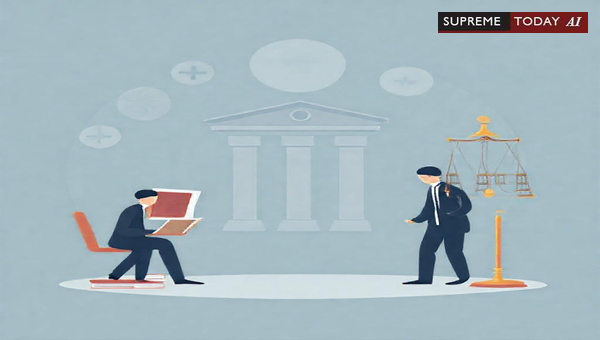
Demotion of Civil Servants Post Promotion Period: Legal Implications
Promotions in civil services are hard-earned milestones, but what happens when they're revoked or lead to demotion? The legal implications of demotion of civil servants post promotion period can be complex, involving constitutional protections, procedural fairness, and judicial precedents. This post breaks down key principles from Indian courts, helping public servants understand their rights without constituting legal advice.
Disclaimer: This is general information based on case law. Consult a qualified lawyer for advice specific to your situation, as outcomes depend on facts.
Constitutional Safeguards Under Article 311
Article 311 of the Constitution of India protects civil servants from arbitrary dismissal, removal, or reduction in rank without due process. However, not every reversion or demotion triggers these protections.
Key Distinction: Substantive vs. Officiating Posts
Courts have consistently held that protections apply primarily to those holding posts in a substantive capacity:- A government servant in an officiating capacity lacks a clear legal right to the higher post. They can be reverted without charges or hearing. For instance, in a landmark ruling, the Supreme Court clarified: A Government servant holding a post in an officiating capacity is not protected by Article 311... against reduction in rank. 1956 0 Supreme(P&H) 13- Reversion from officiating promotion does not amount to punishment if it's administrative correction, not stigmatic. (The revocation of a promotion may not amount to a reduction in rank if it is made under a mistake... 1962 0 Supreme(Kar) 129)
Takeaway: Temporary promotions don't create vested rights. Authorities can correct errors without full inquiry, but must avoid malice.
Natural Justice and Procedural Fairness
Even administrative actions demand fairness. Demotions post-promotion often fail if natural justice is ignored.
Mandatory Hearing and Opportunity
- In promotion revocation cases, show-cause notice is crucial if it affects rights with civil and financial consequences. One court quashed demotions where: Impugned order of demotion... is bad, illegal and without jurisdiction... in violation of principle of natural justice. 1993 0 Supreme(Pat) 174
- Precedent: Withdrawal of promotion concurrence without hearing violated rules. Teachers demoted from Reader to Lecturer won reinstatement because the commission lacked review power and ignored fair play. (The power of review cannot be easily implied when it is not expressly conferred. 1993 0 Supreme(Pat) 175)
Examples from Service Matters
- Probationers: Termination during probation may be discharge simpliciter unless punitive. Thin line between unsuitability and misconduct requires careful judicial scrutiny. 1974 0 Supreme(SC) 257
- Select Lists and Supersession: No notice needed for fresh assessments based on merit. No vested right is involved; no interest recognized... is in jeopardy. 1973 0 Supreme(SC) 306
Bullet Points on When Hearing is Required:- Stigmatic orders (implying misconduct)- Actions with financial loss (e.g., salary cuts)- Review/revocation of confirmed promotions- No hearing for pure administrative reverts from temporary posts
Judicial Control Over High Courts and Governors
For judicial services, High Courts hold primacy:- Promotion, holding of disciplinary inquiry, demotion, suspension of Sub-Judges lie with the High Court and the governor has nothing... 1981 0 Supreme(SC) 511- Governor's role in subordinate judiciary appointments/removals is on aid and advice of Council of Ministers, not personal. 1974 0 Supreme(SC) 257
Demotions here need High Court involvement; executive overreach is invalid.
Specific Scenarios: Promotions, Inquiries, and Retirement
Post-Promotion Demotion Cases
| Scenario | Legal Outcome | Citation ||----------|---------------|----------|| Withdrawal of promotion concurrence due to technicality | Illegal; reinstatement with benefits | 1993 0 Supreme(Pat) 175 || Demotion without qualification check/hearing | Violates natural justice; quashed | 2023 0 Supreme(Chh) 535 || Officiating to substantive revert | Permissible without inquiry | 1956 0 Supreme(P&H) 13 || ACR downgrades without reasoning | Arbitrary; prior grades restored | 2025 Supreme(Online)(DEL) 718 |
Disciplinary Inquiries and Penalties
- Even minimal evidence suffices for probationer termination if not punitive. But wide discretion without guidelines is constitutionally anathema to Articles 14, 16(1), 19(1)(g) and 21. 1990 0 Supreme(SC) 493
- Compulsory retirement: Valid if based on service record, including adverse entries. No interference if opinion formed... in 'public interest' is... justified. 2011 0 Supreme(All) 1851
Retirement Benefits and Increments
- Post-retirement benefit cuts (e.g., increments) are unlawful without fraud. Courts protect accrued rights: Accrued benefits cannot be withdrawn after... increments granted post-promotion. 2023 0 Supreme(P&H) 3113
- Notional service counts for promotion eligibility; delays shouldn't penalize. 2023 0 Supreme(All) 1999
Balancing Rights: Equality and Reservations
Article 16 ensures equal opportunity, but reservations aren't mere policy. Demotions impacting backward classes must justify: Reservation in public services... is neither a matter of policy nor a political issue. 1992 0 Supreme(SC) 830
Key Takeaways for Civil Servants
- Check Promotion Nature: Officiating? Lower protection. Substantive? Full Article 311 safeguards.
- Demand Hearing: Essential for punitive or financially harmful demotions.
- Service Rules Matter: CCS Rules, state rules govern; violations lead to quashing.
- Judicial Review: High Courts/Tribunals scrutinize arbitrariness.
- Timely Action: Challenge promptly; laches may bar relief.
In summary, while authorities have leeway for administrative corrections, demotion of civil servants post promotion period cannot be whimsical. Courts emphasize procedural justice, as seen in rulings upholding rights against unauthorized reviews and ensuring fairness. 1993 0 Supreme(Pat) 174 and 1974 0 Supreme(SC) 257
Public service demands accountability, but so does fairness to servants. Stay informed, document everything, and seek counsel early.
This analysis draws from Supreme Court and High Court precedents. Laws evolve; verify current status.