
Searching Case Laws & Precedent on Legal Query.....!
Analysing the retrieved Case Laws
Scanned Judgements…!
Searching Case Laws & Precedent on Legal Query.....!
Analysing the retrieved Case Laws
Scanned Judgements…!
Section 228A IPC - Prohibits printing, publishing, or making known the name or any matter that could reveal the identity of a rape or sexual offence victim without prior court permission. The main aim is to protect the victim's privacy and prevent victim shaming 2024 0 Supreme(Ker) 937, 2024 0 Supreme(Raj) 1086, 2024 0 Supreme(Ker) 588, 2024 Supreme(Online)(Ker) 72368, 2024 Supreme(Online)(KER) 25521, 2023 0 Supreme(Ker) 920, 2024 Supreme(Online)(KER) 44528, 2023 0 Supreme(Ker) 968.
Scope of Identity - The phrase any matter which may make known the identity is interpreted broadly to include not only the victim's name but also any details or matter that could lead to identifying the victim, even if the name is not explicitly disclosed 2024 0 Supreme(Raj) 1086, 2024 0 Supreme(Ker) 588.
Legal Penalties - Disclosing the victim's identity can attract imprisonment for up to two years and/or fines. The offence is treated as a separate penal provision, distinct from contempt, and applies to anyone who publishes or reveals victim details without court approval 2024 0 Supreme(Ker) 937, 2024 0 Supreme(Raj) 1086, 2024 0 Supreme(Ker) 588.
Media and Public Protests - While the media can report on rape cases, they must avoid revealing the victim's identity unless permitted by the court. Disclosing her name or details without permission, even during protests, may violate Section 228A and lead to criminal liability 2023 0 Supreme(Ker) 968, 2018 0 Supreme(SC) 1238.
Protection of Victim Identity - The law emphasizes that the victim's identity should remain confidential throughout legal proceedings, and any breach can undermine victim privacy, especially in sensitive cases like sexual offences 2023 0 Supreme(Ker) 920, 2018 Supreme(Online)(SC) 3252.
Exceptions and Symbolic Protest - Disclosing the victim's identity to make her a symbol of protest (e.g., Nirbhaya) is generally not permissible unless it aligns with legal provisions and court permissions, as such disclosures could compromise her privacy and safety 2023 0 Supreme(Ker) 968, 2018 0 Supreme(SC) 1238.
Disclosing a rape victim's name or any matter that could lead to her identification in protest or media without court approval constitutes an offence under Section 228A IPC. The law aims to safeguard victims' privacy and prevent further trauma or social stigma. While public protests are vital for justice, they must adhere to legal restrictions on revealing victim identities. Unauthorized disclosures can result in criminal penalties, emphasizing the importance of respecting legal protocols and court permissions when discussing sensitive cases.
References:- 2024 0 Supreme(Ker) 937, 2024 0 Supreme(Raj) 1086, 2024 0 Supreme(Ker) 588, 2024 Supreme(Online)(Ker) 72368, 2024 Supreme(Online)(KER) 25521, 2023 0 Supreme(Ker) 920, 2024 Supreme(Online)(KER) 44528, 2023 0 Supreme(Ker) 968, 2018 Supreme(Online)(SC) 3252, 2018 0 Supreme(SC) 1238
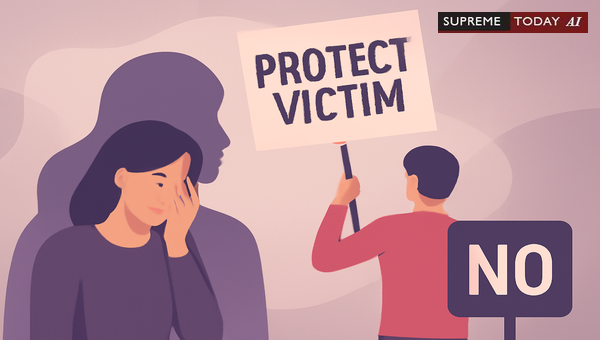
In the wake of high-profile rape cases, public outrage often leads to protests demanding justice. A common question arises: Makign Protest for Rape Victm Jsutice by Disclsing her Name does Not Attract the Offence U/s 228A Ipc? This query touches on the delicate balance between advocating for victims and protecting their privacy under Indian law. Section 228A of the Indian Penal Code (IPC) prohibits disclosing a rape victim's identity, but does this extend to protests? This post breaks down judicial interpretations, key case laws, and practical guidelines to help you understand the nuances.
Note: This is general information based on judicial precedents and not specific legal advice. Consult a qualified lawyer for your situation.
Section 228A IPC criminalizes the printing or publishing of a rape victim's name or any matter that may reveal her identity without court permission. The provision states it prohibits printing or publishing the name or any matter which may make known the identity of the person against whom an offence under Sections 376, 376A, etc., is alleged or found committed. This aims to shield victims from social ostracism, harassment, and further trauma. 2018 0 Supreme(SC) 1238
Penalties include imprisonment up to two years and a fine, treating it as a distinct penal offence separate from contempt. 2023 0 Supreme(Ker) 280 As one source notes, Section 228A creates an offence under the IPC not as contempt but as a separate penal provision. 2023 0 Supreme(Ker) 280
The scope is broad: not just the name, but any matter which may make known the identity, including details that could lead to identification. 2024 0 Supreme(Raj) 1086 2024 0 Supreme(Ker) 588
Main Legal Finding: Disclosing a rape victim's name during protests or justice-seeking efforts generally does not attract Section 228A IPC offence, provided it aligns with court directions and legal procedures. Courts emphasize protection from media publication, not legitimate protests or judicial disclosures. 2018 0 Supreme(SC) 1238 2023 0 Supreme(Del) 299
In Nipun Saxena vs. Union of India (2019) 2 SCC 703, the Supreme Court clarified that while the law covers facts leading to identification, disclosures in court proceedings or per judicial directions are exempted, especially for justice pursuits.
Prabir Bhuian alias Prabir Bhuinyan VS State of West Bengal - Crimes (2021)
2024 0 Supreme(Ker) 588Courts have held:- Prohibition mainly targets print, electronic, or social media dissemination. 2023 0 Supreme(Del) 299 2018 0 Supreme(SC) 1238- Protests or court disclosures for justice do not violate if lawful. 2023 0 Supreme(Del) 299
The law aims to prevent victim victimization through publication, not to restrict legitimate expressions of protest or judicial proceedings. 2018 0 Supreme(SC) 1238 2023 0 Supreme(Del) 299
However, other precedents caution against broad disclosures. In cases where identity could be easily traced, it would definitely attract offence under Section 228A(1)(3) of the IPC. 2024 Supreme(Online)(Ker) 85183 Publication in media or protests that amount to public dissemination without permission risks liability. 2023 0 Supreme(Ker) 968 2018 0 Supreme(SC) 1238
While permissible in controlled settings, disclosures must avoid:- Breaches of court orders.- Media or social media publication without authorization. 2018 0 Supreme(SC) 1238 2023 0 Supreme(Del) 299
Exceptions:- Court proceedings or with permission.- Lawful protests not equating to 'publication.'- Victim's consent or symbolic cases (e.g., Nirbhaya), but still risky without clearance. 2023 0 Supreme(Ker) 968
Limitations from Sources:- Disclosures in media, social media, or public publications without court permission are punishable. 2024 0 Supreme(Ker) 937- Framing charges naming victims may be allowed in specific proceedings, but Section 228A is an embargo to name the victim in a rape case. 2021 0 Supreme(Bom) 1512
Recommendations:- Stick to judicial directions.- Avoid media dissemination.- Seek court clarification in proceedings. 2024 0 Supreme(Ker) 588
Indian law prioritizes victim privacy across statutes:- Proviso to Section 146, Evidence Act bars questions on victim's general immoral character or past sexual experience. 2022 0 Supreme(Del) 419- Hospitals must provide free aid to rape victims (Section 357C CrPC). 2022 0 Supreme(Del) 419
Protests are vital for awareness, but the law emphasizes that the victim's identity should remain confidential throughout legal proceedings. 2023 0 Supreme(Ker) 920 Unauthorized symbolic protests compromising privacy are generally not permissible. 2023 0 Supreme(Ker) 968
In quashing proceedings, courts assess if disclosure was traceable publication. The publication would attract offence under Section 228A(1) of the IPC. 2024 Supreme(Online)(Ker) 85183
| Scenario | Likely Outcome under Section 228A ||----------|----------------------------------|| Court-sanctioned protest disclosure | Generally does not attract offence
Prabir Bhuian alias Prabir Bhuinyan VS State of West Bengal - Crimes (2021)
|| Media publication without permission | Attracts offence 2018 0 Supreme(SC) 1238 || Social media sharing victim's name | Punishable 2023 0 Supreme(Ker) 968 || Judicial proceedings | Exempted 2023 0 Supreme(Del) 299 |Making protests for rape victim justice by disclosing her name does not inherently attract Section 228A IPC, especially if within legal bounds and court directions. However, the line blurs with publication-like dissemination. Public advocacy must respect privacy to avoid penalties. For justice campaigns, prioritize anonymity or seek permissions.
References:1. 2018 0 Supreme(SC) 1238: Judicial directions on protests and disclosures.2. 2023 0 Supreme(Del) 299: Scope of publication vs. lawful protests.3.
Prabir Bhuian alias Prabir Bhuinyan VS State of West Bengal - Crimes (2021)
: Nipun Saxena clarifications.4. 2024 0 Supreme(Ker) 588: Exceptions for justice-seeking.5. 2024 Supreme(Online)(Ker) 85183: Traceability attracting offence.6. 2023 0 Supreme(Ker) 280: Penal nature.7. 2024 0 Supreme(Ker) 937, 2024 0 Supreme(Raj) 1086, etc.: Broader protections. #Section228AIPC, #RapeVictimJustice, #LegalProtest
could be easily traced and therefore, offence under Section 228A(1)(3) of the IPC, would definitely attract in the facts of this case. ... and the same is an offence punishable for a term which may extend to two years and also liable to fine, the publication would attract offence under Section 228A(1) of the IPC. ... Therefore, quashm....
Neither the IPC nor the Cr.P.C. define the phrase "identity of any person". Section 228A IPC clearly prohibits the printing or publishing "the name or any matter which may make known the identity of the person". ... Before parting with the order, this Court feels pain to observe that in dozens of cases the mandatory requirement of Section 24(5), 33(7) of the Protection of Children from Sexual Offences (for short 'POCSO Act....
The learned counsel for the 4th respondent argued that the offence under Section 228A would attract only when there is printing or publishing the name or any matter which would make known the identity of any person who committed offence of rape. ... If as a matter of fact it is discernible from the whole book in question that the girl mentioned above is a victim of any of the offences me....
Section 228A of IPC , it may attract an offence under Section 228A of IPC . ... Coming to the elements to constitute offence under Section 228A of IPC , it is profitable to refer 228A(1) of IPC which is as under:- 228A. ... The specific allegation is that in the above said book, ....
could be easily traced and therefore, offence under Section 228A(1)(3) of the IPC, would definitely attract in the facts of this case. ... and the same is an offence punishable for a term which may extend to two years and also liable to fine, the publication would attract offence under Section 228A(1) of the IPC. ... The crucial quest....
could be easily traced and therefore, offence under Section 228A(1)(3) of the IPC, would definitely attract in the facts of this case. ... and the same is an offence punishable for a term which may extend to two years and also liable to fine, the publication would attract offence under Section 228A(1) of the IPC. ... Therefore, quashm....
P.C along with Section 228A in IPC w.e.f. 25/12/1983. Sub-section (2) of Section 327 of Cr.P.C specifically says that the inquiry into and trial of rape or an offence under Sections 376, 376A, 376B, 376C, 376D or 376E of IPC shall be conducted incamera. ... Sub-section (1) to Section 228A of IPC provides that any person who makes known the name and ide....
Section 228A creates an offence under the IPC not as contempt but as a separate penal provision. Though petitioners are being proceeded against under section 228A of the IPC, that by itself would not attract the proviso to section 10 of the Act. ... The offence alleged in the five FIR’s is section 228A of I....
Similarly, the proviso appended to Section 146 of the Evidence Act prohibits eliciting evidence or putting questions in cross-examination to the victim as to her "general immoral character" or "previous sexual experience" for establishing consent or the quality of consent. [See the following provisions contained in the Code: Section 357A (Compensation to all victims of crime); Section 357C (all hospitals to provide free and immediate first aid to rape victims); Section 164A (protocols of medic....
While framing the initial charge in Sessions Case No. 846 of 2013, the name of the survivor is spelt out and therefore, the same exercise could have been undertaken while framing charge in Sessions Case No. 914 of 2013. (iii) Section 228A of Indian Penal Code is an embargo to name the victim in a rape case. Sexual assault implies rape and therefore, the terminology would not mislead the accused. (iv) A reference is made to section 216 of Code of Criminal Procedure, 1973, whic....
He appears to have taken out his belt and strangulated her in a fit of fury. Therefore, the proved facts may not attract commission of an offence u/s.302 IPC but, they would attract an offence u/s.304(I) IPC.
Copy of the Final Report produced from the side of the petitioner would also go to show that parents of the students have given statement that their signatures were obtained in a white paper and they have signed only in one white paper and they have not signed in the other papers shown to them. So prima facie there are materials to attract the offence u/s. 471 IPC, though there are no materials to attract the offence u/s. 469 IPC.
Copy of the Final Report produced from the side of the petitioner would also go to show that parents of the students have given statement that their signatures were obtained in a white paper and they have signed only in one white paper and they have not signed in the other papers shown to them. So prima facie there are materials to attract the offence u/s.471 IPC, though there are no materials to attract the offence u/s.469 IPC.
Login now and unlock free premium legal research
Login to SupremeToday AI and access free legal analysis, AI highlights, and smart tools.
Login
now!
India’s Legal research and Law Firm App, Download now!
Copyright © 2023 Vikas Info Solution Pvt Ltd. All Rights Reserved.







