


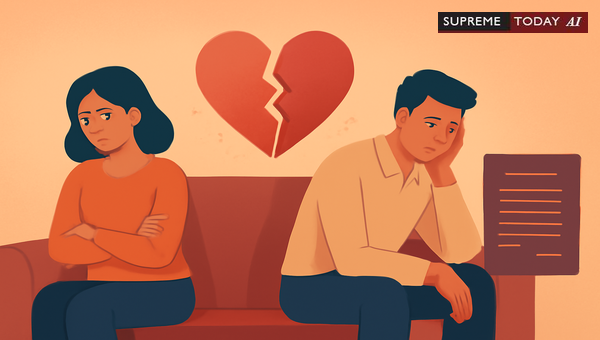
Emotionally Dead Marriage: Grounds for Divorce?
In many long-term marriages, couples find themselves in a relationship that feels lifeless—devoid of emotional connection, intimacy, or shared purpose. You might wonder: Is an emotionally dead marriage entitled for divorce? This question strikes at the heart of modern family law in India, where courts balance the sanctity of marriage with the reality of human suffering. While divorce isn't granted lightly, judicial precedents show that prolonged emotional disconnection, coupled with other factors, can indeed lead to dissolution.
This post examines key legal principles under the , and rulings. Note: This is general information based on precedents and not personalized legal advice. Consult a qualified lawyer for your situation.
What Makes a Marriage 'Emotionally Dead'?
An emotionally dead marriage typically involves:- Lack of emotional or physical intimacy for years.- Mutual indifference or hostility.- Prolonged separation without reconciliation efforts.- Acts causing mental distress, like false allegations or refusal to cohabit.
Courts don't dissolve marriages solely on emotional grounds but consider if the union is totally unworkable, emotionally dead and beyond salvation. 2023 0 Supreme(All) 1287 As one judgment notes, the marriage does not survive any longer, and the relationship was terminated otherwise except by a formal divorce. 2023 0 Supreme(All) 1287
and Separation: Not Always Grounds
Living apart doesn't automatically end a marriage. Courts recognize that prolonged separation due to deliberate avoidance or legal disputes doesn't imply fault if one party remains willing to reconcile. 2022 0 Supreme(Ker) 90 2019 0 Supreme(SC) 1130 2022 0 Supreme(Ker) 618
For instance:- Separation initiated without fault and with reconciliation willingness cannot justify divorce. 2022 0 Supreme(Ker) 90- Even long separations from mutual reconciliation efforts or disputes don't deem the marriage beyond salvage unless is proven. 2022 0 Supreme(Ker) 90 2019 0 Supreme(SC) 1130
However, when separation exceeds 16-25 years with no intention of reunion, courts often view it as evidence of emotional death. 2023 4 Supreme 492 2017 8 Supreme 33 2019 0 Supreme(Ker) 1058
: A Judicial Recognition
Though not a statutory ground under , is increasingly accepted, especially via , granting courts power for .
The has dissolved marriages where the relationship is beyond repair and unworkable or emotionally dead. 2019 0 Supreme(SC) 1130 2023 7 Supreme 98 2024 0 Supreme(SC) 629
Key quote: If the marriage was dead and there was no chance of it being retrieved, it was better to bring it to an end. In this case, the marriage is dead both emotionally and practically. 2008 0 Supreme(Kar) 720 This echoes in , relying on . 2008 0 Supreme(Kar) 720
In another case, the court granted divorce noting, Continuance of marital alliance for name-sake is prolonging the agony and affliction. 2008 0 Supreme(Kar) 724 2000 0 Supreme(Ori) 332
Under Article 142, discretion is exercised cautiously, balancing equities and party conduct. 2023 7 Supreme 98
: The Bridge to Divorce
is a statutory ground () and often overlaps with emotional deadness:- Prolonged refusal of cohabitation or intercourse. 2014 0 Supreme(SC) 700 2007 3 Supreme 26- Filing false/defamatory cases causing distress. 1995 0 Supreme(SC) 61 2014 0 Supreme(SC) 700 2023 4 Supreme 492 2020 0 Supreme(Ker) 92- Indifference, repeated litigation, or emotional suffering. 1995 0 Supreme(SC) 61
In 2023 0 Supreme(All) 1287, false complaints and disputes led to divorce on cruelty and breakdown grounds, with Rs.1 crore alimony. The court noted unbridgeable distance as . 2023 0 Supreme(All) 1287
Similarly, () combined with cruelty: A husband abandoning wife and son for 18 years rendered the marriage dead both emotionally and practically. 2008 0 Supreme(Kar) 724 The wife endured terrible mental agony, justifying divorce without compensation demands. 2008 0 Supreme(Kar) 724
Long-Term Separation and
Extended separation with indifference supports breakdown:- 16-25 years apart with no emotional ties warrants divorce. 2023 4 Supreme 492 2017 8 Supreme 33 2019 0 Supreme(Ker) 1058- Withdrawal without cause, failing matrimonial/parental duties. 2008 0 Supreme(Kar) 724
In one appeal, the court overturned a dismissal, holding proven and marriage irretrievably broken. 2008 0 Supreme(Kar) 720
Mutual Allegations and Judicial Prudence
Courts examine both parties' conduct. In 2000 0 Supreme(Ori) 332, mutual cruelty allegations and bitterness affirmed under doctrine. 2000 0 Supreme(Ori) 332
Caution: lack Article 142 powers for substantive rights; breakdown isn't statutory. 1997 0 Supreme(Guj) 447 But interventions provide relief.
Exceptions and Balancing Factors
Divorce isn't automatic:- Prove totality of circumstances. 2019 0 Supreme(SC) 1130 2022 0 Supreme(Ker) 90 2023 4 Supreme 492- Consider alimony, child welfare (e.g., no contribution to upbringing). 2008 0 Supreme(Kar) 724- Reconciliation attempts must fail. 2008 0 Supreme(Kar) 724
Key Takeaways
- Yes, potentially: An emotionally dead marriage—marked by long separation, cruelty, and no reconciliation prospect—may qualify for divorce via or . 2019 0 Supreme(SC) 1130
- Precedents support: Quotes like marriage is dead both emotionally and practically recur, emphasizing ending agony over name-sake ties. 2008 0 Supreme(Kar) 720 2008 0 Supreme(Kar) 724
- Seek evidence: Document separation, acts of cruelty, failed reconciliations.
- Court discretion: Especially under Article 142 for justice. 2023 7 Supreme 98
If facing this, gather evidence and consult a family law expert. Courts aim to prevent prolonged suffering while upholding marital ideals.
This analysis draws from judicial precedents; outcomes vary by facts. Not legal advice.
#DivorceLaw #IrretrievableBreakdown #FamilyLawIndia















