
SupremeToday Landscape Ad
AI Thinking

AI Thinking...

Searching Case Laws & Precedent on Legal Query.....!

Scanned Judgements…!

Checking relevance for Suresh Kumar VS State of Haryana...

2013 0 Supreme(SC) 1024 : The legal document discusses a case involving the death of Sulochana, who allegedly died of electrocution on 16th September, 1993. The High Court examined the evidence and concluded that, apart from the FIR lodged by Gian Singh based on information from Krishan that Sulochana died of an electric shock, there was no corroborating evidence to support the claim of electrocution. The doctor who allegedly examined her and pronounced her dead was not examined by either the prosecution or the defense, and neither Suresh Kumar nor Leela Devi mentioned electrocution in their statements under Section 313 of the Cr.P.C. Therefore, the court found no reliable evidence that Sulochana died of electrocution.Checking relevance for Parvati Devi VS Commissioner Of Police, Delhi...

2000 0 Supreme(SC) 409 : In an electrocution case where a man died while walking on the road due to electric shock, the court held that once it is established that the death occurred due to electrocution, the responsible authority (NDMC in this case) must be considered negligent. The court directed the NDMC to pay compensation of Rs 1,00,000 to the legal heirs of the deceased within three months, failing which interest at 12% per annum would apply. This compensation is to be in full satisfaction of the claim.Checking relevance for State Of Madhya Pradesh VS Janved Singh...

2025 7 Supreme 556 : In the case involving a claim of electrocution, the post-mortem report and medical evidence from Dr. Devendra Khare (PW-1) conclusively established that the deceased died from homicidal causes, specifically due to strangulation with ligature marks around the neck. The alleged cause of death—electrocution while ironing clothes—was falsified by medical evidence, as the injuries were inconsistent with electrocution and included post-mortem burn injuries. The accused''''s explanation that he returned from the field to find the deceased dead was not corroborated by any witness, including neighbors or field employees. This false explanation formed a key link in the chain of circumstantial evidence pointing to the guilt of the accused.Checking relevance for Ram Kumar Laharia VS State Of M. P. ...

2001 1 Supreme 69 : In an electrocution case where death was allegedly due to accidental electrocution, two eye witnesses reported that the accused persons gave an electric shock causing death and then disposed of the body in a river. The Trial Court framed charges under Sections 302 and 304 IPC. The High Court initially quashed these charges and directed framing of charges under Section 304-A IPC and Section 39 of the Indian Electricity Act, but this order was held unjustified. The Supreme Court upheld that there was a prima facie case for framing charges under Sections 302 and 304 IPC, and thus the High Court''''s order quashing those charges was set aside.Checking relevance for M. P. Electricity Board VS Shail...

2002 1 Supreme 98 : The M.P. Electricity Board is liable for accidents caused by electric current if a live wire snaps and falls on a public road, even if the accident results from theft of electricity by a third party. The doctrine of strict liability applies, meaning the supplier is responsible regardless of negligence or carelessness, as the risk of harm is inherent in the nature of supplying high-voltage electricity. The ''''act of stranger'''' exception to strict liability is not available because the Board should have reasonably anticipated or prevented such consequences through safety measures like automatic disconnection systems or anti-pilferage devices.


AI Overview

AI Overview...

  • Electrocution as Cause of Death - Multiple sources confirm that deaths attributed to electrocution are often supported by medical reports, FIRs, and post-mortem examinations. For example, ["2022 0 Supreme(Raj) 819"] states, Medical reports of deceased Seema show that she sustained electrocution, and ["2025 0 Supreme(Mad) 4538"] notes that the post mortem report... does not establish that Amirtham died due to electrocution, indicating the importance of medical evidence in establishing causation.

  • Negligence and Liability of Electricity Departments - Several cases emphasize that liability arises when electrocution results from negligence in maintenance or safety protocols. For instance, ["2022 0 Supreme(Raj) 1137"] highlights that deceased died due to electrocution because of negligence on the part of department in maintaining electricity line, and ["2025 0 Supreme(Mad) 4538"] discusses the burden of proof on plaintiffs to show the electrocution was due to the negligence of the Defendant/ TNEB. Similarly, ["

    Assistant Divisional Engineer, Operation VS Katamoni Shivarani - Consumer

    "] notes that the electricity department/board has to pay compensation when negligence is proven.
  • Compensation and Policy Framework - Courts frequently refer to government or departmental orders establishing ex-gratia relief amounts for electrocution victims. Examples include ["2023 0 Supreme(J&K) 736"], which mentions ex-gratia relief of Rs. 7.5 lacs in case of total disability, and ["2026 Supreme(Online)(Mad) 5888"], where a compensation of Rs.10,00,000/- was awarded following a death due to electrocution, based on applicable policies and orders. The courts often apply principles similar to motor vehicle accident compensation schemes in electrocution cases.

  • Evidence and Proof of Negligence - Several cases underscore the necessity of concrete evidence to prove negligence. ["2012 Supreme(Online)(AP) 4"] states, except the allegation contained in the FIR, no material, disclosing negligence of the respondent, is placed by the petitioners, and ["2022 0 Supreme(Raj) 1137"] confirms that the respondents' negligence in not maintaining electric line properly was established, leading to liability.

  • Court Judgments and Principles Applied - Courts have consistently held that when electrocution is proven to be due to departmental negligence, compensation must be awarded. For example, ["2023 0 Supreme(Mad) 700"] discusses that the respondents are liable to pay the fixed compensation of Rs.2,00,000/-, and ["2022 0 Supreme(Raj) 819"] affirms that the department is absolutely liable to compensate sufferers under principles of strict liability.

Analysis and Conclusion:The sources collectively establish that electrocution cases hinge on proof of death caused by electrocution, often supported by medical and post-mortem evidence. Liability primarily depends on demonstrating departmental negligence in maintenance or safety measures. Courts tend to favor awarding compensation, guided by government policies and departmental orders, and require concrete evidence to establish negligence. When proven, the departments are generally held liable for damages, with compensation amounts varying based on policy and case specifics.

Electricity Board Strict Liability for Electrocution Deaths and Compensation Claims

Electrocution Deaths: Who Bears Liability in India?

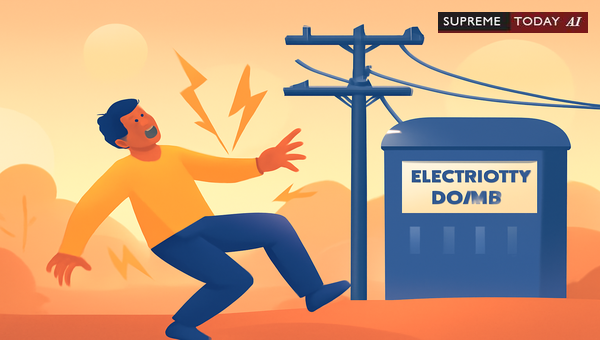
Electrocution incidents, often tragic and preventable, raise critical questions about accountability. When a live wire snaps and falls on a public road, leading to a fatal shock, families seek justice against electricity supply authorities. But under Indian law, is negligence required to establish liability, or does strict liability apply? This blog delves into electrocution cases, drawing from key judicial precedents to explain liability principles, defenses, and compensation avenues.

Note: This is general information based on legal documents and not specific legal advice. Consult a qualified lawyer for your situation.

The Core Legal Question: Liability in Electrocution Cases

In an electrocution case, the pivotal issue is whether electricity supply authorities like state electricity boards or TANGEDCO bear responsibility for deaths caused by live wires, especially on public roads. Courts have ruled that these authorities are primarily liable under the doctrine of strict liability for accidents from live wires, particularly when safety measures fail and risks are foreseeable. 2002 1 Supreme 98

As established, the primary liability to compensate the sufferer is that of the supplier of the electric energy, especially when a live wire falls on a public road. 2002 1 Supreme 98

Strict Liability: No Need to Prove Negligence

Unlike ordinary negligence claims, strict liability applies to inherently hazardous activities like electricity transmission. Suppliers must compensate victims regardless of care taken, unless specific exceptions apply.

Key Principles from Landmark Rulings

  • Live Wires on Public Roads: Electricity boards are liable if live wires fall on roads, even without direct negligence. The risk is inherent, demanding utmost precautions like automatic disconnection devices. 2002 1 Supreme 98
  • Foreseeable Risks: Defenses like act of stranger (e.g., theft or third-party interference) fail if the act was reasonably foreseeable or preventable. Courts reject such claims unless proven unforeseeable. 2002 1 Supreme 98
  • Safety Imperative: Authorities must prevent live wires from remaining energized post-snapping. Failure reinforces liability. 2002 1 Supreme 98

In one case, the Supreme Court referenced in precedents like Madhya Pradesh Electricity Board v. Shail Kumari (AIR 2002 SC 551) upheld this, applying strict liability where a live wire caused death. 2021 0 Supreme(Del) 5 2016 0 Supreme(Ori) 874

Negligence and Res Ipsa Loquitur in Electrocution Claims

While strict liability dominates, negligence often bolsters claims. The doctrine of res ipsa loquitur (the thing speaks for itself) shifts the burden to defendants to disprove fault when accidents defy common experience without negligence.

  • In a Delhi case, a son's death from an exposed live wire falling on his bicycle led to compensation of Rs.10 lakhs against BSES RPL. The court applied res ipsa loquitur, citing Shyam Sunder v. State of Rajasthan (1974) 1 SCC 690. 2021 0 Supreme(Del) 5
  • Another ruling confirmed death due to negligent maintenance of poles and wires, awarding Rs.10.26 lakhs under the Fatal Accidents Act, 1855. Section 161 of the Electricity Act, 2003 does not bar such claims. 2021 0 Supreme(Raj) 506

Post-mortem reports confirming electrocution as the cause of death are crucial evidence. 2016 0 Supreme(Ori) 297

Role of Contractors and Third Parties

Electricity boards often blame private contractors or third parties. However, courts prioritize victim compensation.

  • TANGEDCO could not deny Rs.5 lakhs compensation (plus 6% interest) despite alleging contractor negligence. The court considered family plight and equity principles, directing payment within eight weeks. 2024 0 Supreme(Mad) 54
  • In Odisha, GRIDCO's plea of deceased negligence or illegal hooking was dismissed; strict liability prevailed for family electrocutions. 2021 0 Supreme(Del) 5

A person undertaking an activity involving hazardous or risky exposure to human life is liable under law of torts to compensate for the injury suffered by any other person, irrespective of any negligence. 2016 0 Supreme(Ori) 297

Compensation Quantum and Procedures

Courts assess compensation based on deceased's income, age, family dependency, and precedents like National Insurance Co. Ltd. v. Pranay Sethi (2017) 16 SCC 680. 2021 0 Supreme(Raj) 506

Typical awards:- Rs.5 lakhs with interest (TANGEDCO case). 2024 0 Supreme(Mad) 54- Rs.10 lakhs (BSES case). 2021 0 Supreme(Del) 5- Rs.2 lakhs interim via writ petition under Article 226. 2016 0 Supreme(Ori) 297

Writ petitions are maintainable for compensation when facts are undisputed, allowing interim relief while pursuing civil suits. 2016 0 Supreme(Ori) 297

Exceptions and Defenses

Limited defenses exist:- Act of Stranger: Only if wholly unforeseeable and beyond control. Rejected in most cases. 2002 1 Supreme 98- Victim Fault: Rarely successful if board failed basic safety. 2021 0 Supreme(Del) 5

Criminal angles, like under IPC Section 304 or Electricity Act Section 135, may arise but focus here is civil liability. In one appeal, acquittal occurred due to investigative lapses (no photos, unclear power source), highlighting prosecution burdens. 2023 0 Supreme(Mad) 1095

Safety Recommendations for Authorities

Courts stress prevention:- Install automatic disconnection for snapped wires. 2002 1 Supreme 98- Regular inspections and maintenance of poles, lines. 2021 0 Supreme(Raj) 506- Prompt investigations post-accident. 2002 1 Supreme 98

Key Takeaways for Victims and Authorities

  • For Families: Document electrocution via post-mortem, police reports. Pursue writs for quick relief, then civil suits under Fatal Accidents Act.
  • For Boards: Proactive safety mitigates risks; defenses rarely absolve strict liability.
  • Electricity transmission's hazardous nature imposes high duties—courts prioritize lives over technical excuses. 2002 1 Supreme 98 2016 0 Supreme(Ori) 297

Electrocution cases underscore that prevention saves lives and litigation. Recent judgments reinforce accountability, ensuring compensation reaches deserving families. Stay safe, and if affected, seek professional guidance promptly.

References:- 2002 1 Supreme 98: Core on strict liability for live wires.- 2013 0 Supreme(SC) 1024: Procedural diligence.- 2024 0 Supreme(Mad) 54, 2021 0 Supreme(Del) 5, 2021 0 Supreme(Raj) 506, 2016 0 Supreme(Ori) 874, 2016 0 Supreme(Ori) 297, others as cited.

Word count approx. 1050. All insights from provided documents.

#ElectrocutionCases #ElectricityLiability #StrictLiabilityIndia
Chat Download
Chat Print
Chat R ALL
Landmark
Strategy
Argument
Risk
Chat Voice Bottom Icon
Chat Sent Bottom Icon
SupremeToday Portrait Ad
logo-black

An indispensable Tool for Legal Professionals, Endorsed by Various High Court and Judicial Officers

Please visit our Training & Support
Center or Contact Us for assistance

qr

Scan Me!

India’s Legal research and Law Firm App, Download now!

For Daily Legal Updates, Join us on :

whatsapp-icon Back to top







