


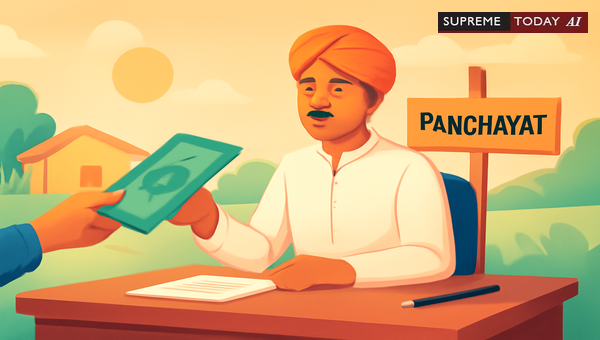
Punjab Sarpanch : Claim Rights Explained
Serving as a sarpanch in Punjab's gram panchayats is a vital role in rural governance, but financial support through has often sparked questions. Many elected sarpanches wonder: Sarpanch is Claiming to Get from Government of Punjab – is this a valid claim? With announcements of increased payments and reports of delays, understanding the legal landscape is crucial for panchayat leaders seeking their due recognition.
This guide breaks down the legal basis, government policies, common challenges, and potential remedies. While the Punjab government has publicly committed to payments, enforceability depends on administrative decisions. Note: This is general information, not specific legal advice. Consult a qualified lawyer for personalized guidance.
Legal Basis for Sarpanch in Punjab
The , forms the foundation for gram panchayat operations, but payments stem more from government policy than strict . Under the (AAP) government, sarpanches received a significant boost: a monthly increase to ₹2,000, effective from their election date. This is touted as the highest ever provided to sarpanches in Punjab AAP GOVT INCREASES SARPANCHES TO ₹ 2000Punjab Govt Hikes Sarpanches’ to highest-ever.
The payment serves as a token of respect and recognition for services rendered, underscoring the government's commitment to strengthening village panchayats Public Sources. Eligibility typically ties to valid election and appointment, creating a direct obligation on state authorities to disburse funds.
In neighboring Haryana, a similar policy exists, with notifications ordering ₹3,000 monthly to each sarpanch dated . The has noted such payments as standard, referencing provisions where Parishads pay to Panch, Sarpanch, and other members as prescribed
.
Implementation Challenges and Payment Delays
Despite announcements, implementation has faltered. Reports highlight sarpanches unpaid for up to two years, fueling protests and resentment Sarpanches not paid for 2 yrs. Even post-increase, timely disbursal remains inconsistent, prompting administrative or legal interventions.
A exemplifies this tension. Petitioners sought a for immediate release of to Punjab sarpanches from at ₹1,200 per month, noting deprivation especially for Scheduled Caste sarpanches unable to discharge duties without funds. The court disposed of the petition, directing respondents to decide on the legal notice and pass a within two months2018 0 Supreme(P&H) 3652. This underscores that while courts may not grant immediate relief, they push for accountable decisions.
Other cases reveal procedural nuances. For instance, under the , appeals on panchayat land issues are limited to removed or suspended sarpanches, not whistleblowers, emphasizing for disputes 2023 0 Supreme(P&H) 2240.
Legal Validity and Enforceability
is primarily an via government resolutions, not a statutory right under the Punjab Panchayati Raj Act. Enforceability hinges on budgetary provisions and specific orders. If payments falter, sarpanches may seek redress through administrative channels (e.g., representations to ) or like mandamus, given public commitments.
Courts have clarified election processes: Direct panch elections fall under the , while sarpanch elections are managed by the Deputy Commissioner per 2015 0 Supreme(P&H) 1510. Disputes over office-bearer elections may proceed via writs, not , absent specific remedies.
Comparative insights from other states highlight 's role. In Telangana, ward members receive ₹7,800 monthly, deemed an in certain contexts 2024 Supreme(Online)(Tel) 31061. Rajasthan differentiates bonus marks for para-teachers on in remote areas, justifying varied treatment based on service conditions 2010 0 Supreme(Raj) 562. These affirm as a legitimate incentive, potentially bolstering Punjab claims.
Key Factors Affecting Claims
- Election Validity: Confirm notification under .
- Budget Allocation: Tied to state finances; delays often budgetary.
- Documentation: Retain appointment letters, election proofs, and payment communications.
Steps for Sarpanches to Claim
If facing delays:1. Verify Status: Check with or if your village panchayat received funds.2. File Complaint: Submit formal representation citing AAP announcement and policy orders.3. Escalate Legally: Approach via writ if no response, referencing PIL precedents like the mandamus directive 2018 0 Supreme(P&H) 3652.4. Gather Evidence: Maintain records of tenure, protests, or prior notices.
Past delays, like the two-year arrears, show persistence pays off, often after media or collective action.
Broader Context: Panchayati Raj and Financial Support
The empowers panchayats, but states like Punjab handle devolution. addresses financial burdens without full salaries, akin to para-teachers or municipal members getting fixed allowances 2018 0 Supreme(Bom) 905. Courts uphold reasonable classifications, e.g., higher incentives for remote service 2010 0 Supreme(Raj) 562.
In encroachment disputes, only aggrieved sarpanches have standing, reinforcing role-specific rights 2023 0 Supreme(P&H) 2240.
Conclusion and Key Takeaways
Punjab sarpanches have a strong basis to claim ₹2,000 monthly per government policy, though delays persist. Public announcements create moral and potentially legal obligations, enforceable via administrative or court routes. Key takeaways:- Policy-Driven: Highest-ever ₹2,000 from election date.- Remedies Available: Representations, then writs if needed.- Precedents Support: Courts direct decisions on claims 2018 0 Supreme(P&H) 3652.
Stay proactive: Monitor payments and document everything. For tailored advice, engage a local advocate specializing in panchayati raj matters. Empowering rural leaders starts with securing their due support.
Disclaimer: This article provides general insights based on public sources and case law. Laws evolve; it does not substitute professional legal counsel.
#SarpanchHonorarium, #PunjabPanchayat, #PanchayatRights












